Takeuchi TL8 vs Kubota SVL75-3
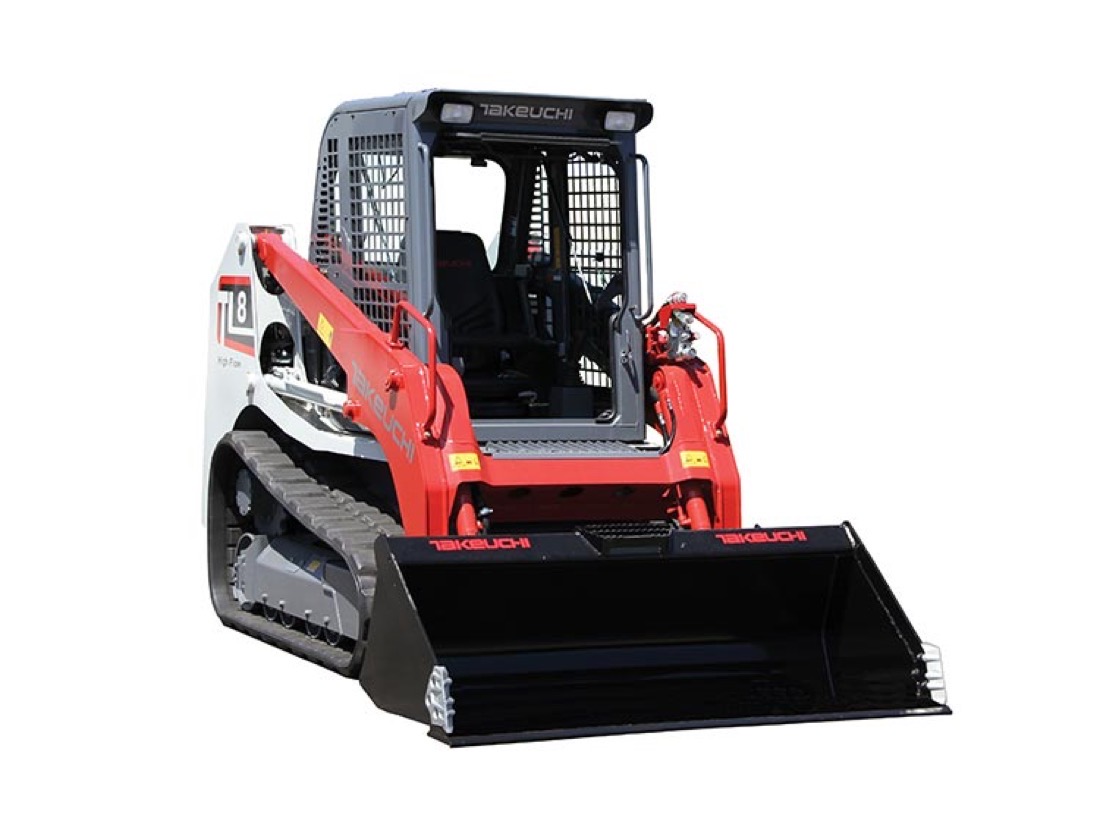
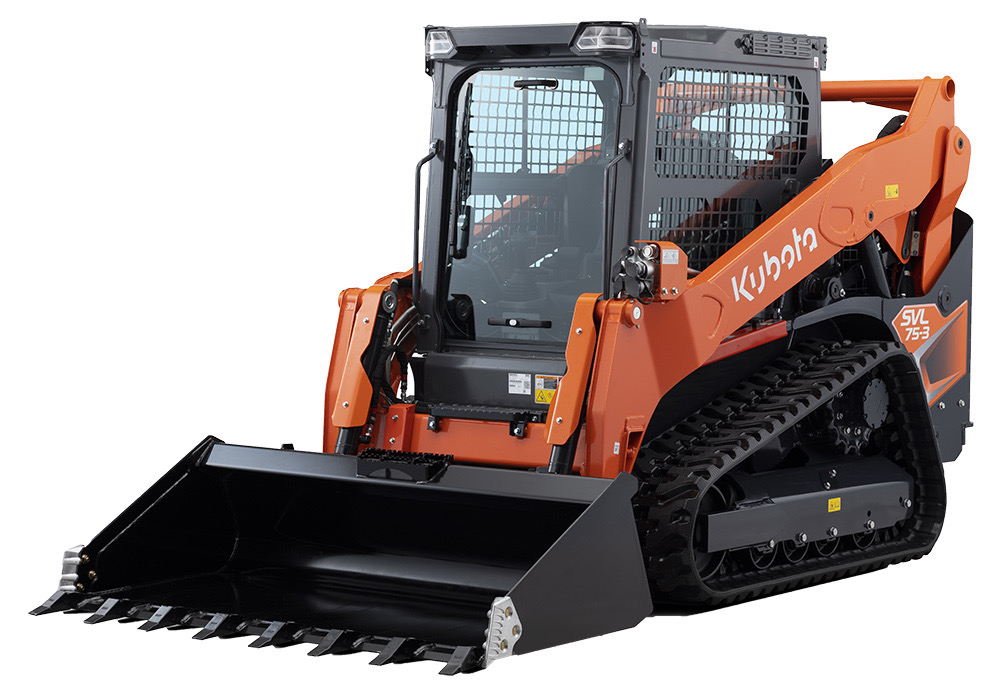
Quick take: The Takeuchi TL8 costs $2,000 less; the Kubota SVL75-3 has a higher rated operating capacity (2,490 vs 2,105 lbs).
| Spec | Takeuchi TL8 | Kubota SVL75-3 |
|---|---|---|
| Price | $68,000 | $70,000 |
| Rating | 4.6★ (400) | 4.6★ (650) |
| Type | Compact Track Loader | Compact Track Loader |
| Lift Path | Radial Lift | Vertical Lift |
| ROC | 2105 lbs | 2490 lbs |
| Engine HP | 74 hp | 74 hp |
| Operating Weight | 8455 lbs | 9420 lbs |
| Tipping Load | 6020 lbs | 7114 lbs |
| Lift Height | 121 in | 123 in |
| Hydraulic Flow | 22.5 GPM | 24.9 GPM |
| Engine | Kubota | Kubota V3307-CR-TE5 |
| Tracks | Yes | Yes |
| Vertical lift | No | Yes |
| High-flow | Yes | Yes |
| Enclosed cab | Yes | Yes |
| Two-speed | Yes | Yes |
| Self-leveling | Yes | Yes |
| A/C & heat | Yes | Yes |
| Warranty | 2 yr / 2000 hr | 2 yr / 2000 hr |
Pros & cons
Takeuchi TL8
- ✓Takeuchi invented the compact track loader, and owners consistently praise the TL8's rugged undercarriage and long track life as best-in-class.
- ✓The Kubota engine is a proven, reliable powerplant, and owner-operators report years of dependable service with basic maintenance.
- ✓Radial lift with strong breakout force makes it a genuine digging and grading machine, which operators doing site prep specifically choose it for.
- ✓Takeuchi's build quality and durability have a loyal following, and owners say the machine holds up to hard commercial use better than expected.
- ✓The double-reduction planetary drives deliver over 9,100 lb of traction, so it pushes and climbs strongly for its size.
- ✓The cab is comfortable with good visibility, and the standard-flow-plus-high-flow options give solid attachment versatility.
- ✓Resale value is strong because Takeuchi's reputation for durability keeps used demand high among owner-operators.
- ✓Owners appreciate that Takeuchi isn't tied to a single giant dealer network, so independent dealers often give more personal service.
- ✗Takeuchi's dealer network is smaller and more regional than Bobcat or Cat, so parts and service access varies a lot by location.
- ✗Radial lift limits dump height and reach, making high-sided truck loading harder than with a vertical-lift CTL.
- ✗At 2,105 lb capacity it's a mid-compact machine, and some contractors find it undersized for heavier production work.
- ✗The TL8 has been superseded by the TL8R2/TL8-2, so buyers of a new-old-stock or used TL8 should confirm the latest support.
- ✗Undercarriage and track parts, while durable, still represent a meaningful ongoing cost on abrasive ground.
- ✗The attachment ecosystem is smaller than Bobcat's, so sourcing used implements locally can be harder.
- ✗Some owners note the cab and controls, while functional, feel less refined than the latest Cat and Bobcat interiors.
- ✗Because dealers are independent, warranty and service experience can be inconsistent depending on the specific dealer.
Kubota SVL75-3
- ✓The SVL75-3 is the best-selling new CTL in America, and owners credit its blend of value, reliability, and a genuinely great cab for the popularity.
- ✓Kubota builds its own engine, and owners rave about the reliability and the familiar Kubota dealer network they already trust from tractors.
- ✓The tilt-up cab and wide-opening rear door give outstanding service access, and mechanics call it one of the easiest CTLs to maintain.
- ✓Vertical lift with a 123-inch hinge-pin height makes truck-loading and pallet-stacking easy, competitive with pricier vertical-lift rivals.
- ✓The 24.9 GPM standard flow is generous, and the high-flow option runs mulchers and planers, giving it strong attachment versatility.
- ✓The cab is roomy, quiet, and comfortable, and operators coming from other brands consistently say it feels bigger and better finished than expected.
- ✓Kubota pricing undercuts Bobcat and Cat for comparable capability, so value-focused buyers feel they get more machine for the money.
- ✓Resale value is excellent because the SVL is in such high demand used, protecting owners at trade-in time.
- ✗Kubota's construction-equipment dealer coverage, while growing, still isn't as dense as Bobcat's, so specialized parts can take longer in some areas.
- ✗Some owners report the undercarriage and track wear faster than expected if run heavily on abrasive surfaces.
- ✗At 2,490 lb capacity it's a strong medium frame but heavy-duty operators sometimes wish for more, eyeing the larger SVL97-2.
- ✗The DPF emissions system draws occasional complaints during heavy idling and light-duty work that trigger regen interruptions.
- ✗A few owners note the vertical-lift linkage adds grease points and pin wear over hard commercial use.
- ✗The attachment ecosystem is smaller than Bobcat's, so sourcing used implements locally can be harder in some markets.
- ✗Some operators find the control response less crisp than Cat or Bobcat, requiring a bit of acclimation for fine work.
- ✗Because it's so popular, dealer inventory and wait times for new units can be long during high-demand periods.