Bobcat S64 vs John Deere 318G
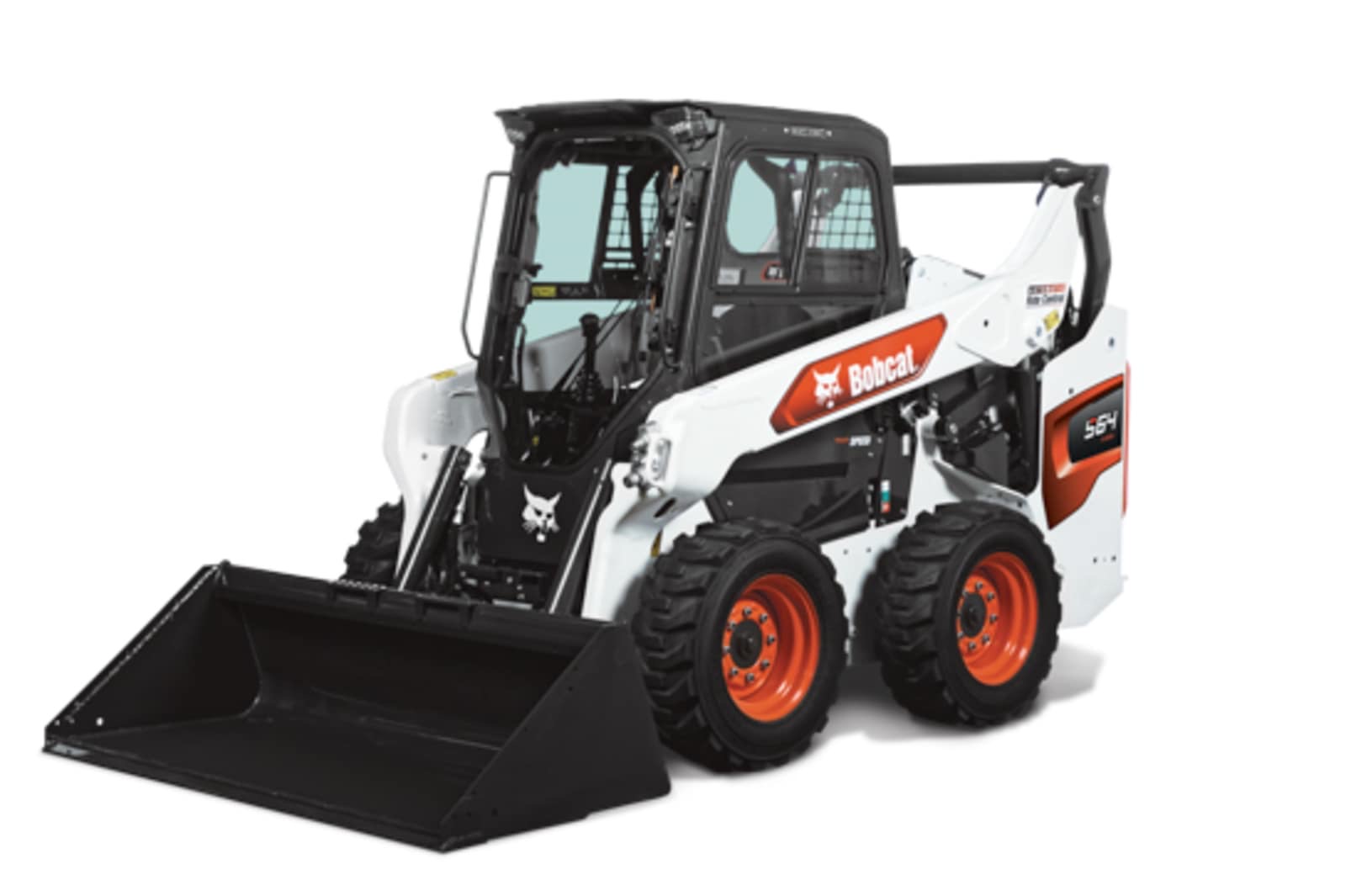
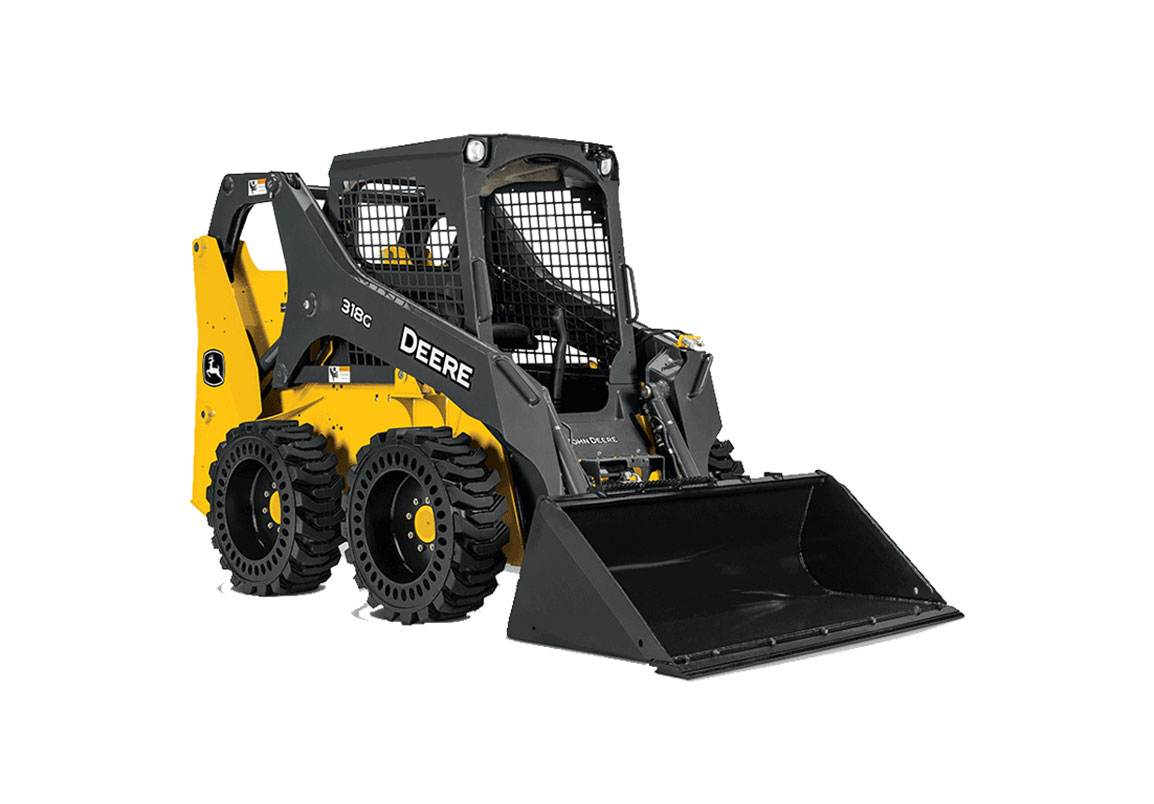
Quick take: The John Deere 318G costs $3,000 less; the Bobcat S64 has a higher rated operating capacity (2,300 vs 1,945 lbs); the Bobcat S64 has more engine power (68 vs 65 hp).
| Spec | Bobcat S64 | John Deere 318G |
|---|---|---|
| Price | $52,000 | $49,000 |
| Rating | 4.5★ (340) | 4.4★ (350) |
| Type | Wheeled Skid Steer | Wheeled Skid Steer |
| Lift Path | Vertical Lift | Vertical Lift |
| ROC | 2300 lbs | 1945 lbs |
| Engine HP | 68 hp | 65 hp |
| Operating Weight | 6974 lbs | 6542 lbs |
| Tipping Load | 4600 lbs | 3890 lbs |
| Lift Height | 120 in | 120 in |
| Hydraulic Flow | 17.6 GPM | 18.5 GPM |
| Engine | Bobcat (Doosan) D24 | Yanmar |
| Tracks | No | No |
| Vertical lift | Yes | Yes |
| High-flow | Yes | Yes |
| Enclosed cab | Yes | Yes |
| Two-speed | Yes | Yes |
| Self-leveling | Yes | Yes |
| A/C & heat | Yes | Yes |
| Warranty | 2 yr / 2000 hr | 2 yr / 2000 hr |
Pros & cons
Bobcat S64
- ✓Owners consistently praise the S64's tight, nimble footprint that squeezes through 6-foot gates and residential yards where a S76 simply won't fit, making it a favorite for landscapers doing backyard work.
- ✓The inline engine layout and swing-up tailgate give genuinely easy access to the radiator, filters, and daily grease points, and mechanics on the forums note it's one of the friendliest Bobcats to service.
- ✓The vertical lift path on such a small machine is a real selling point for stacking pallets and loading into truck beds, which radial-lift competitors in this size class can't match.
- ✓Bobcat's dealer network is the deepest in the industry, so operators rave that parts and loaner machines are almost always available same-day, which minimizes downtime.
- ✓The optional high-flow package (26.9 GPM) lets it run planers and stump grinders that would choke a machine this size, giving it surprising attachment versatility.
- ✓Resale value holds up better than almost any brand — owners report getting strong trade-in numbers years later thanks to the Bobcat name recognition among buyers.
- ✓The cab-forward design and low door threshold give excellent bucket-edge visibility for grading and finish work, something operators specifically call out versus older Bobcats.
- ✓The 5-link torsion suspension and roomy cab make it comfortable enough for full 8-hour days, which owners contrast favorably against harsher-riding competitor small frames.
- ✗The 68 hp engine and 2,300 lb capacity feel underpowered the moment you put it next to a S76, and several owners admit they wished they'd spent the extra money for the bigger frame.
- ✗Bobcat dealer parts pricing is notoriously high — filters, tracks, and even hydraulic fittings cost noticeably more than aftermarket, and owners feel locked into an expensive ecosystem.
- ✗The standard 17.6 GPM flow is on the low side, so many buyers feel forced into the pricey high-flow option just to run common attachments effectively.
- ✗Bob-Tach and some proprietary controls mean not every third-party attachment plays nicely, and operators grumble about being nudged toward Bobcat-branded tools.
- ✗At this price point some contractors feel you're paying a premium for the badge, since spec-for-spec Kubota and New Holland small frames often undercut it.
- ✗The smaller frame means a lighter counterweight, and operators report the front end gets tippy when handling heavy pallets at full reach.
- ✗Cab noise and heat management, while improved, still draw complaints in hot climates without the A/C option, which adds cost.
- ✗Some owners note the machine's short wheelbase makes it bouncy at travel speed across rough ground compared to a longer medium-frame unit.
John Deere 318G
- ✓Owners love the simplicity and durability of the G-Series — the Yanmar engine and straightforward hydraulics have a strong reputation for racking up hours without drama.
- ✓John Deere's dealer and financing network is massive, and ag-and-construction customers value being able to service the machine at the same dealer as their tractors.
- ✓The vertical lift path gives good dump height for a small frame, so operators can load trucks and stack pallets that radial machines struggle with.
- ✓The side-by-side cooling package is easy to clean out, and operators in dusty or debris-heavy work specifically praise how it resists overheating.
- ✓The cab is comfortable with good visibility, and the optional sealed-and-pressurized cab keeps dust down for all-day comfort.
- ✓Deere's EH (electro-hydraulic) controls with adjustable response let operators dial in sensitivity, which newer operators find helps them run it smoothly.
- ✓Resale value on Deere skid steers is strong, and the green paint carries brand loyalty that helps at trade-in time.
- ✓The 318G's balance of size and capacity hits a sweet spot for residential landscaping where a bigger machine would be overkill.
- ✗At 1,945 lb capacity it's firmly a small-frame machine, and contractors doing heavier work often wish they'd stepped up to the 324G or 330G.
- ✗Deere parts pricing is on the higher side, and some owners feel dealer labor rates have crept up over the years.
- ✗The Yanmar engine, while reliable, uses a DPF that some operators find finicky with regen cycles during light-duty idling.
- ✗Standard hydraulic flow is modest, so demanding attachments really want the high-flow option, adding cost.
- ✗Some operators find the EH controls have a learning curve and initially feel less direct than pilot or mechanical controls.
- ✗The small frame limits stability with heavy pallets at full reach, so operators must respect the load chart.
- ✗Attachment availability is good but the Deere-specific coupler options can add complications versus universal setups.
- ✗New pricing reflects the Deere premium, and value shoppers note Kubota and New Holland often undercut it on sticker.