Case TR340B vs ASV RT-75
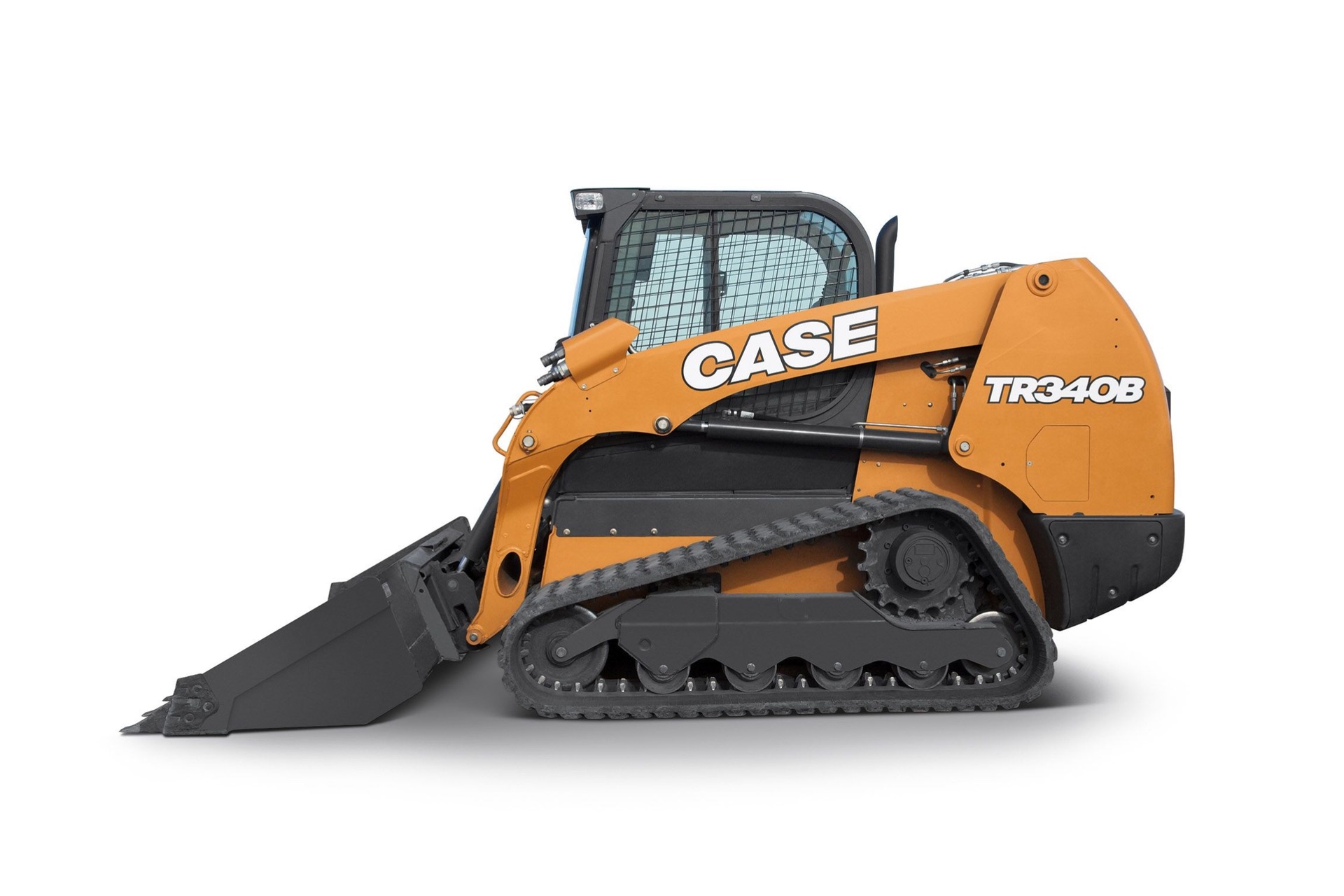
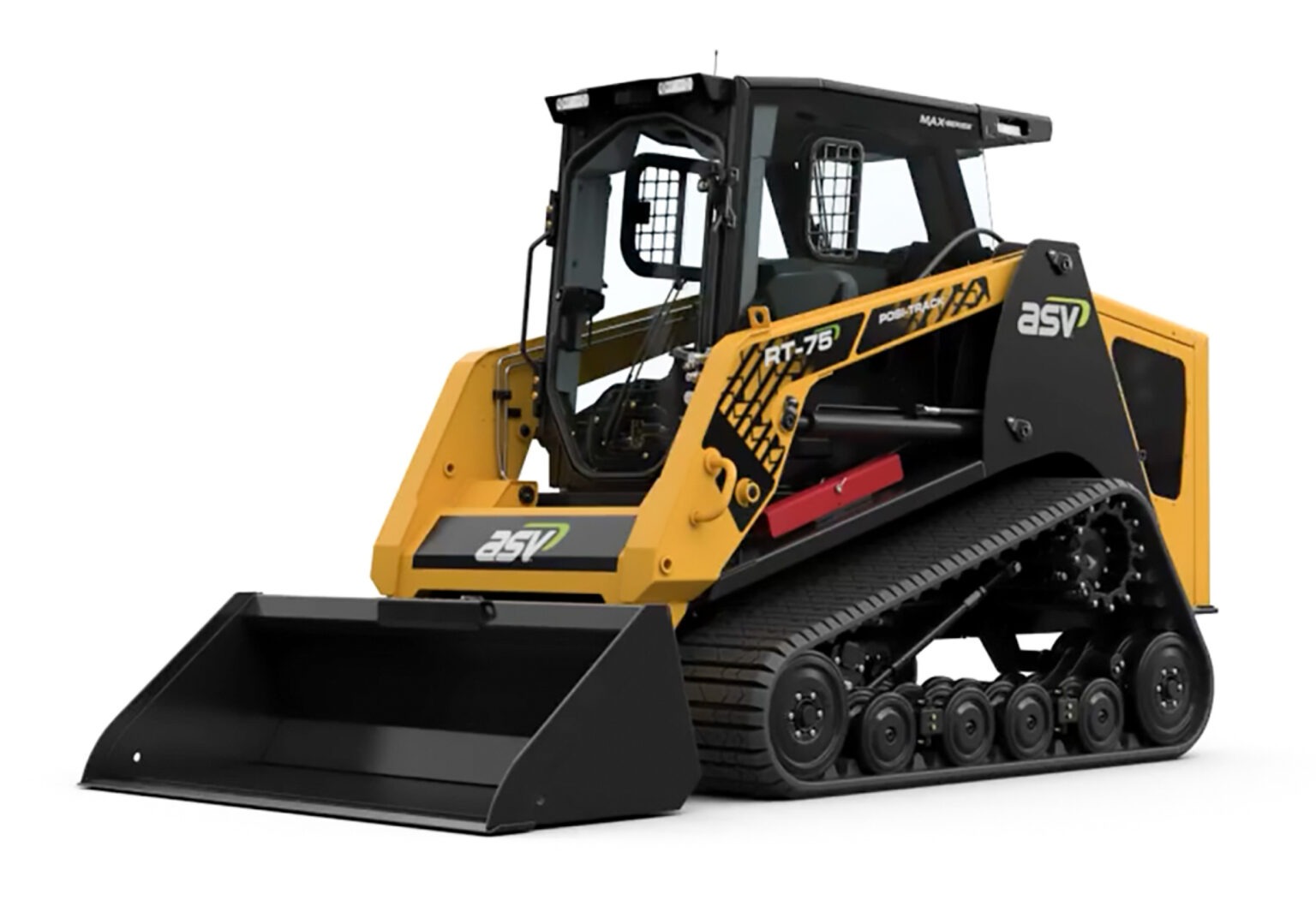
Quick take: The Case TR340B has a higher rated operating capacity (3,400 vs 2,650 lbs); the Case TR340B has more engine power (90 vs 74 hp).
| Spec | Case TR340B | ASV RT-75 |
|---|---|---|
| Price | $74,000 | $74,000 |
| Rating | 4.4★ (280) | 4.4★ (220) |
| Type | Compact Track Loader | Compact Track Loader |
| Lift Path | Radial Lift | Radial Lift |
| ROC | 3400 lbs | 2650 lbs |
| Engine HP | 90 hp | 74 hp |
| Operating Weight | 10000 lbs | 9180 lbs |
| Tipping Load | 6800 lbs | 7570 lbs |
| Lift Height | 127 in | 125 in |
| Hydraulic Flow | 24.2 GPM | 22.6 GPM |
| Engine | FPT | Cummins QSF2.8 |
| Tracks | Yes | Yes |
| Vertical lift | No | No |
| High-flow | Yes | Yes |
| Enclosed cab | Yes | Yes |
| Two-speed | Yes | Yes |
| Self-leveling | Yes | Yes |
| A/C & heat | Yes | Yes |
| Warranty | 2 yr / 2000 hr | 2 yr / 2000 hr |
Pros & cons
Case TR340B
- ✓The TR340B is Case's most powerful radial CTL, and operators doing heavy dirt work praise its 8,700 lb bucket breakout force for digging and dozing.
- ✓The 3,400 lb rated capacity and 90 hp give it serious muscle for grading, backfilling, and moving heavy material efficiently.
- ✓Case cabs are roomy and comfortable with good visibility, and owners appreciate the low-effort EH controls over long days.
- ✓Case pricing undercuts equivalent Bobcat and Cat CTLs, so value-focused buyers feel they get big-frame capability for less money.
- ✓The 24.2 GPM standard flow (with high-flow available) handles a wide range of attachments without immediately needing the upgrade.
- ✓Owners report the FPT engine pulls strongly and the machine feels planted and stable when pushing heavy piles.
- ✗Radial lift limits dump height and reach at the top, so loading high-sided trucks is awkward compared to the vertical-lift TV450B.
- ✗Track and undercarriage costs are significant, and owners note replacement parts add up, especially on abrasive ground.
- ✗Some owners report electronic and sensor issues on FPT-engined machines that can be tricky to diagnose without a good dealer.
- ✗The attachment and used-implement ecosystem isn't as deep as Bobcat's, limiting options in certain markets.
- ✗Dealer support quality varies widely by region, and owners say the ownership experience depends heavily on the local dealer.
ASV RT-75
- ✓The Posi-Track undercarriage with independent torsion axles delivers what owners universally call the best ride in the industry, floating over ruts and rubble that hammer rigid-undercarriage machines.
- ✓Ground pressure as low as the mid-3 psi range lets it work wet turf, bogs, and snow that would strand a Bobcat or Cat, which is the whole reason many owners buy ASV.
- ✓The 15-inch ground clearance is roughly double most competitors, so it crawls over stumps and rocks without high-centering.
- ✓The Cummins QSF2.8 is a proven, widely-serviced engine, and owners like having a common powerplant that any diesel shop can support.
- ✓The open-rail undercarriage design sheds mud and debris instead of packing it, cutting daily cleanup time in sloppy conditions.
- ✓The 125.5-inch hinge-pin height is unusually tall for a radial machine, so it loads trucks better than most radial-lift rivals.
- ✓Track speed tops out well above most CTLs, and operators moving material across big sites appreciate the genuinely fast travel.
- ✗The Posi-Track undercarriage has far more moving parts than a steel-embedded design, and mechanics grumble that wheels, bearings, and bogies add up to serious rebuild costs at high hours.
- ✗Replacement tracks and undercarriage components are expensive and more specialized than commodity CTL parts, so owners must budget for them upfront.
- ✗The radial lift path limits reach at full height compared to vertical-lift competitors, making high-sided truck loading less convenient.
- ✗Winter freeze-up in the undercarriage is a known headache, with owners in cold climates reporting ice-packing issues the design can't fully avoid.
- ✗Derailment can occur if track tension isn't maintained diligently, and inexperienced operators report throwing tracks in aggressive side-hill work.