Cat 226D3 vs Cat 239D3
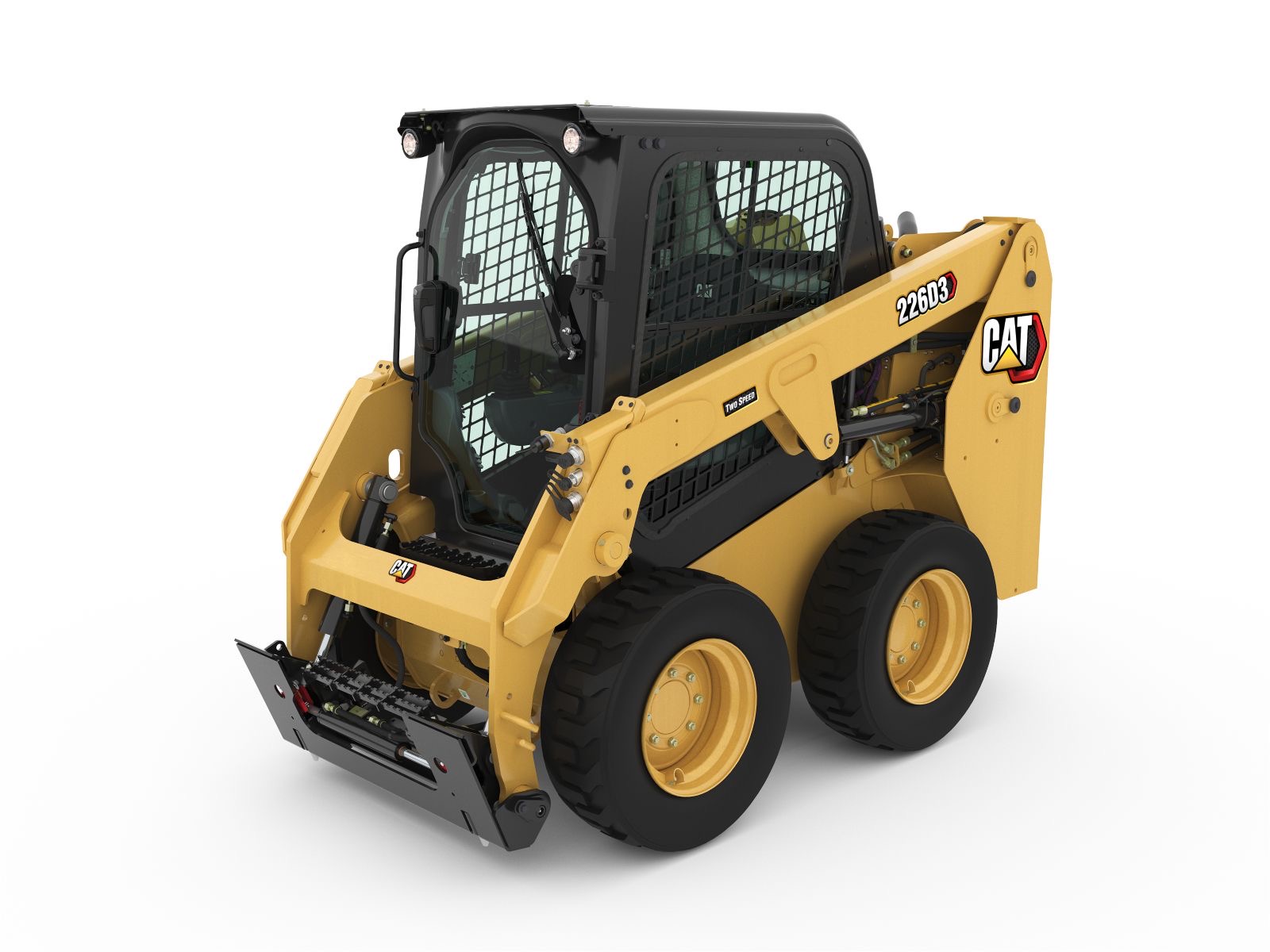
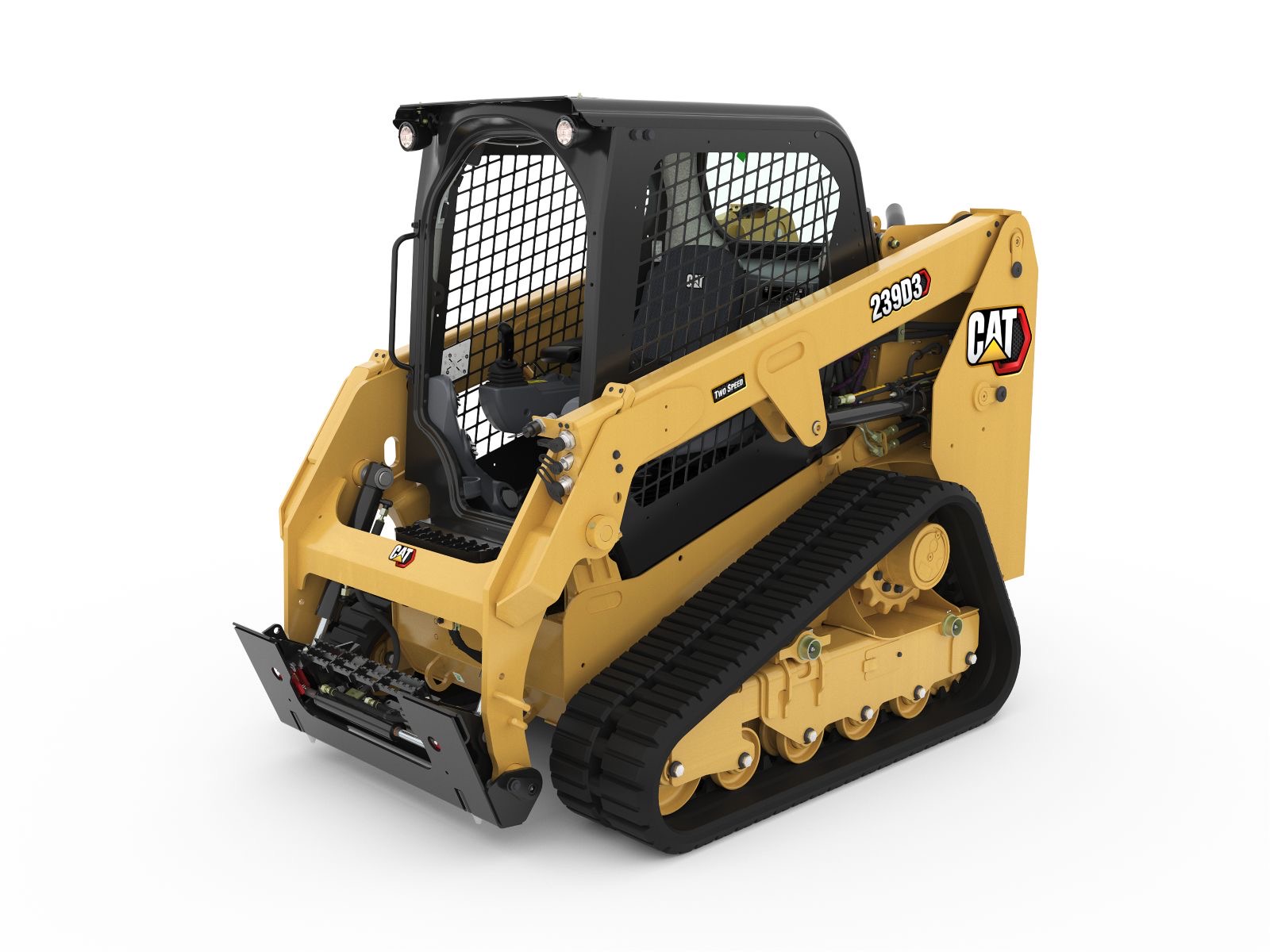
Quick take: The Cat 226D3 costs $12,000 less; the Cat 226D3 has a higher rated operating capacity (1,550 vs 1,530 lbs); the Cat 226D3 has more engine power (67 vs 66 hp).
| Spec | Cat 226D3 | Cat 239D3 |
|---|---|---|
| Price | $46,000 | $58,000 |
| Rating | 4.3★ (300) | 4.4★ (360) |
| Type | Wheeled Skid Steer | Compact Track Loader |
| Lift Path | Radial Lift | Radial Lift |
| ROC | 1550 lbs | 1530 lbs |
| Engine HP | 67 hp | 66 hp |
| Operating Weight | 5849 lbs | 8035 lbs |
| Tipping Load | 3100 lbs | 4370 lbs |
| Lift Height | 116 in | 115 in |
| Hydraulic Flow | 17.1 GPM | 17.1 GPM |
| Engine | Cat C2.2 | Cat C2.2T |
| Tracks | No | Yes |
| Vertical lift | No | No |
| High-flow | No | No |
| Enclosed cab | Yes | Yes |
| Two-speed | No | Yes |
| Self-leveling | Yes | Yes |
| A/C & heat | Yes | Yes |
| Warranty | 1 yr / 1000 hr | 1 yr / 1000 hr |
Pros & cons
Cat 226D3
- ✓The 226D3 is one of the lightest skid steers on the market, so owners can tow it with a half-ton truck and small trailer, which is a big deal for homeowners and small operators.
- ✓Radial lift geometry gives strong digging and pushing force down low, and operators doing excavation and dozing work say it out-digs vertical-lift machines its size.
- ✓Cat's pressurized, sealed cab is genuinely quiet and clean, and operators consistently rate it the most comfortable and dust-free cab in the small-frame class.
- ✓The worldwide Cat dealer network means parts, service, and financing are easy to get almost anywhere, which fleet owners value for uptime.
- ✓The advanced display and optional Smart Attachments system make it easy for less-experienced operators to run tools correctly, reducing training time.
- ✓It sips fuel thanks to the small C2.2 engine, and owners report all-day operation on a modest tank, keeping running costs low.
- ✓The compact size and tight turning radius make it ideal for interior demolition and tight residential lots where bigger machines can't fit.
- ✓Cat's build quality and resale reputation give owners confidence in strong trade-in value down the road.
- ✗The 1,550 lb capacity is genuinely small, and contractors quickly complain it's underpowered for anything beyond light material handling and digging.
- ✗No two-speed travel on this base model means slow ground-to-ground moves, which operators find frustrating on larger sites.
- ✗Cat parts and dealer labor are among the priciest in the industry, so even routine maintenance stings the wallet.
- ✗The standard hydraulic flow is low, limiting the range of attachments it can effectively run without stepping up a frame size.
- ✗Radial lift means poor reach and dump height at the top of the lift path, so truck-loading over high sides is awkward.
- ✗Some owners feel the D3 series updates were minor and the machine feels dated next to Bobcat's R-Series refinements.
- ✗The light operating weight that helps towing also makes it tippy and bouncy when pushing heavy piles.
- ✗New pricing feels steep for the capacity you get, and buyers note you're paying largely for the Cat badge and dealer network.
Cat 239D3
- ✓The fully-suspended undercarriage gives a smooth ride and excellent flotation, and owners say it's gentle on lawns for turf and finish work.
- ✓Its small footprint lets it work in tight backyards and through gates that bigger CTLs can't reach, which landscapers specifically buy it for.
- ✓Cat's sealed, pressurized cab keeps dust and noise out better than most competitors, making long days more bearable for operators.
- ✓Radial lift delivers strong breakout and digging force down low, so it excels at trenching, grading, and dozing tasks.
- ✓The rubber-track suspension design is known for low maintenance and long track life when kept off abrasive surfaces, per owner reports.
- ✓Cat's dealer network means fast parts and service, and rental-fleet owners like the strong resale and financing options.
- ✓Two-speed travel comes standard, so ground-to-ground moves are quicker than on the wheeled 226D3, which operators appreciate.
- ✓The intuitive controls and clear display make it approachable for newer operators and rental customers with minimal training.
- ✗At 1,530 lb capacity it's one of the smaller CTLs available, and contractors routinely say they outgrew it and should have bought bigger.
- ✗The low standard hydraulic flow limits attachment options, so mulchers and other hungry tools are essentially off the table.
- ✗Cat parts and undercarriage components are expensive, and track replacement on a Cat runs higher than many rivals.
- ✗Radial lift compromises dump height and reach, making it awkward to load high-sided trucks compared to vertical-lift CTLs.
- ✗The small C2.2T engine feels underpowered when pushing heavy material, and owners note slower cycle times under load.
- ✗Some operators find the suspended undercarriage less stable than a rigid frame when lifting heavy loads at full height.
- ✗New-machine pricing is high for the modest capacity, reflecting the Cat premium more than raw performance.
- ✗The 1-year base warranty is short compared to Bobcat's 2-year coverage, which value-focused buyers notice.