John Deere 333G vs Takeuchi TL12V2
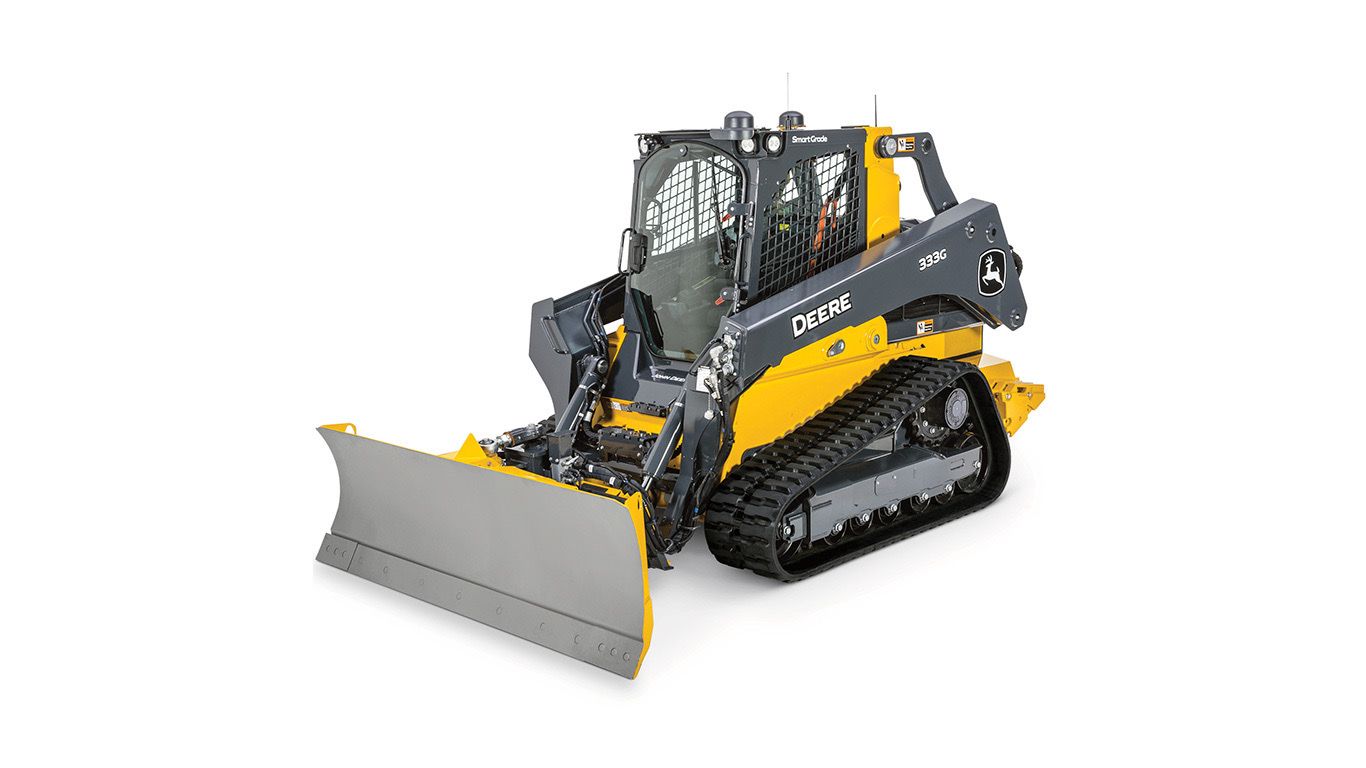
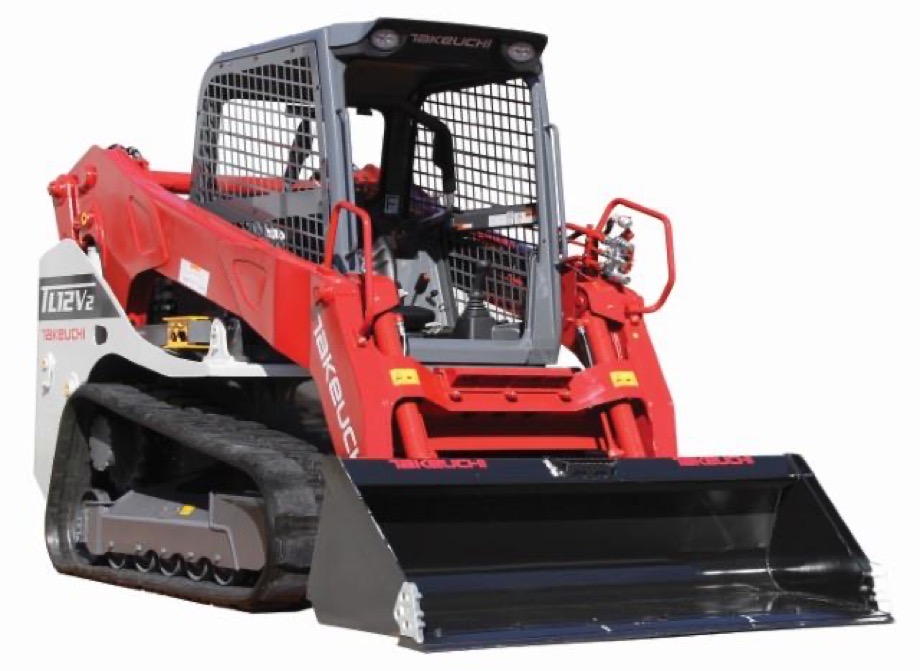
Quick take: The John Deere 333G costs $7,000 less; the Takeuchi TL12V2 has a higher rated operating capacity (4,107 vs 3,700 lbs); the Takeuchi TL12V2 has more engine power (111 vs 100 hp).
| Spec | John Deere 333G | Takeuchi TL12V2 |
|---|---|---|
| Price | $88,000 | $95,000 |
| Rating | 4.6★ (620) | 4.6★ (420) |
| Type | Compact Track Loader | Compact Track Loader |
| Lift Path | Vertical Lift | Vertical Lift |
| ROC | 3700 lbs | 4107 lbs |
| Engine HP | 100 hp | 111 hp |
| Operating Weight | 12100 lbs | 13040 lbs |
| Tipping Load | 10570 lbs | 11734 lbs |
| Lift Height | 131 in | 134 in |
| Hydraulic Flow | 25 GPM | 22.5 GPM |
| Engine | Yanmar | Kubota V3800-CR |
| Tracks | Yes | Yes |
| Vertical lift | Yes | Yes |
| High-flow | Yes | Yes |
| Enclosed cab | Yes | Yes |
| Two-speed | Yes | Yes |
| Self-leveling | Yes | Yes |
| A/C & heat | Yes | Yes |
| Warranty | 2 yr / 2000 hr | 2 yr / 2000 hr |
Pros & cons
John Deere 333G
- ✓The 333G is the best-selling used CTL in America, and owners credit its blend of 100 hp power, 3,700 lb capacity, and Deere support for the popularity.
- ✓The high-flow option up to 41 GPM lets it run mulchers, planers, and snow blowers, and land-management crews specifically choose it for that muscle.
- ✓The 100 hp Yanmar engine pulls strongly, and owners doing heavy dirt and material work praise the drivetrain's durability under sustained load.
- ✓Deere's massive dealer and financing network makes parts, service, and support easy, a big factor for high-utilization commercial owners.
- ✓The side-by-side cooling package resists overheating and cleans out easily in dusty, debris-heavy environments.
- ✓The vertical lift and 131-inch hinge-pin height make loading tall trucks and hoppers effortless for a large-frame CTL.
- ✓The cab is roomy and comfortable with EH controls and good visibility, holding up well over long production days.
- ✓Resale value is exceptional — the 333G's used demand is among the highest of any CTL, protecting owners at trade-in.
- ✗Deere parts and undercarriage costs are on the higher end, and track replacement on a 12,000-lb machine is expensive.
- ✗The Yanmar's DPF emissions system can be finicky with regen during light-duty idling, interrupting production.
- ✗At over 12,000 lb it requires a heavy-duty truck and trailer, limiting mobility for smaller operators.
- ✗New pricing reflects the Deere premium, and value shoppers note Case and New Holland large-frame CTLs undercut it.
- ✗Some operators find the EH controls take a learning curve and feel less direct than pilot or mechanical setups.
- ✗Its size and weight make it overkill and less nimble for tight residential work versus a medium-frame CTL.
- ✗The feature-rich cab and high-flow package push the price up quickly, so a well-equipped 333G is a major investment.
- ✗Mud and debris packing in the undercarriage requires regular cleaning to protect components and track life.
Takeuchi TL12V2
- ✓At 4,107 lb capacity the TL12V2 is one of the highest-lifting CTLs on the market, and heavy operators say it out-muscles machines that cost more.
- ✓The 111 hp Kubota V3800 engine delivers strong, reliable power, and owners praise it for pulling hard through the toughest dirt and material work.
- ✓Takeuchi invented the compact track loader, and the TL12V2's rugged undercarriage has a reputation for durability and long track life under commercial use.
- ✓Vertical lift with a 134-inch hinge-pin height makes loading the tallest trucks and hoppers effortless, a real advantage for aggregate work.
- ✓Takeuchi pricing typically undercuts a comparably-spec'd Cat 299D3 or Bobcat T86, so value-focused buyers get flagship capability for less.
- ✓The cab is comfortable with good visibility, and owners appreciate the straightforward, durable controls over long production days.
- ✓Resale value is strong because Takeuchi's durability reputation keeps used demand high among owner-operators and contractors.
- ✓The high-flow option and strong hydraulics let it run demanding attachments, adding versatility to its heavy-lift capability.
- ✗Takeuchi's dealer network is smaller and more regional than Bobcat or Cat, so parts and service access varies a lot by location.
- ✗At over 13,000 lb it's a heavy machine that requires a serious truck and trailer, limiting mobility for smaller operators.
- ✗Undercarriage and track costs on a machine this size are significant, especially on abrasive ground.
- ✗Because dealers are independent, warranty and service experience can be inconsistent depending on the specific dealer.
- ✗The attachment and used-implement ecosystem is smaller than Bobcat's, so sourcing tools locally can be harder.
- ✗Some operators note the cab and controls, while durable, feel less refined than the latest Cat and Bobcat interiors.
- ✗Its size and weight make it overkill and less nimble for tight residential work versus a medium-frame CTL.
- ✗The premium price for a flagship machine, while lower than Cat, is still a major investment that tests smaller-operator budgets.