John Deere 330G vs Cat 250
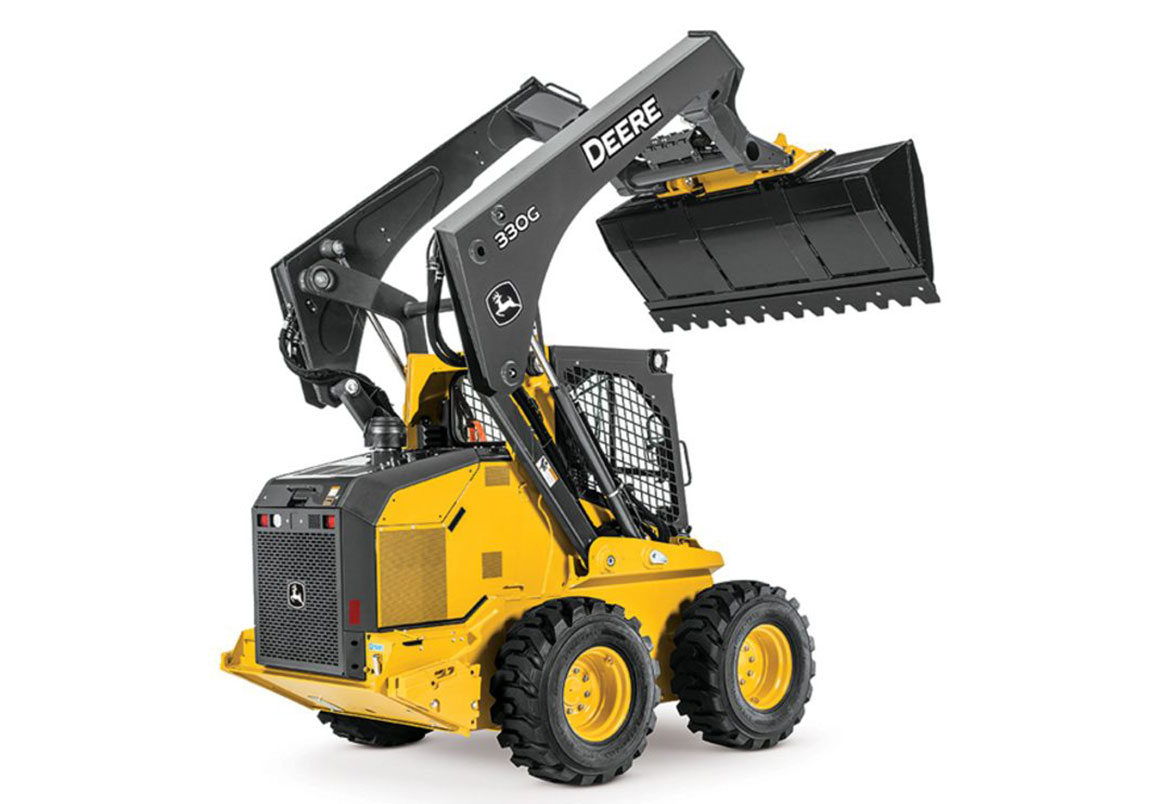
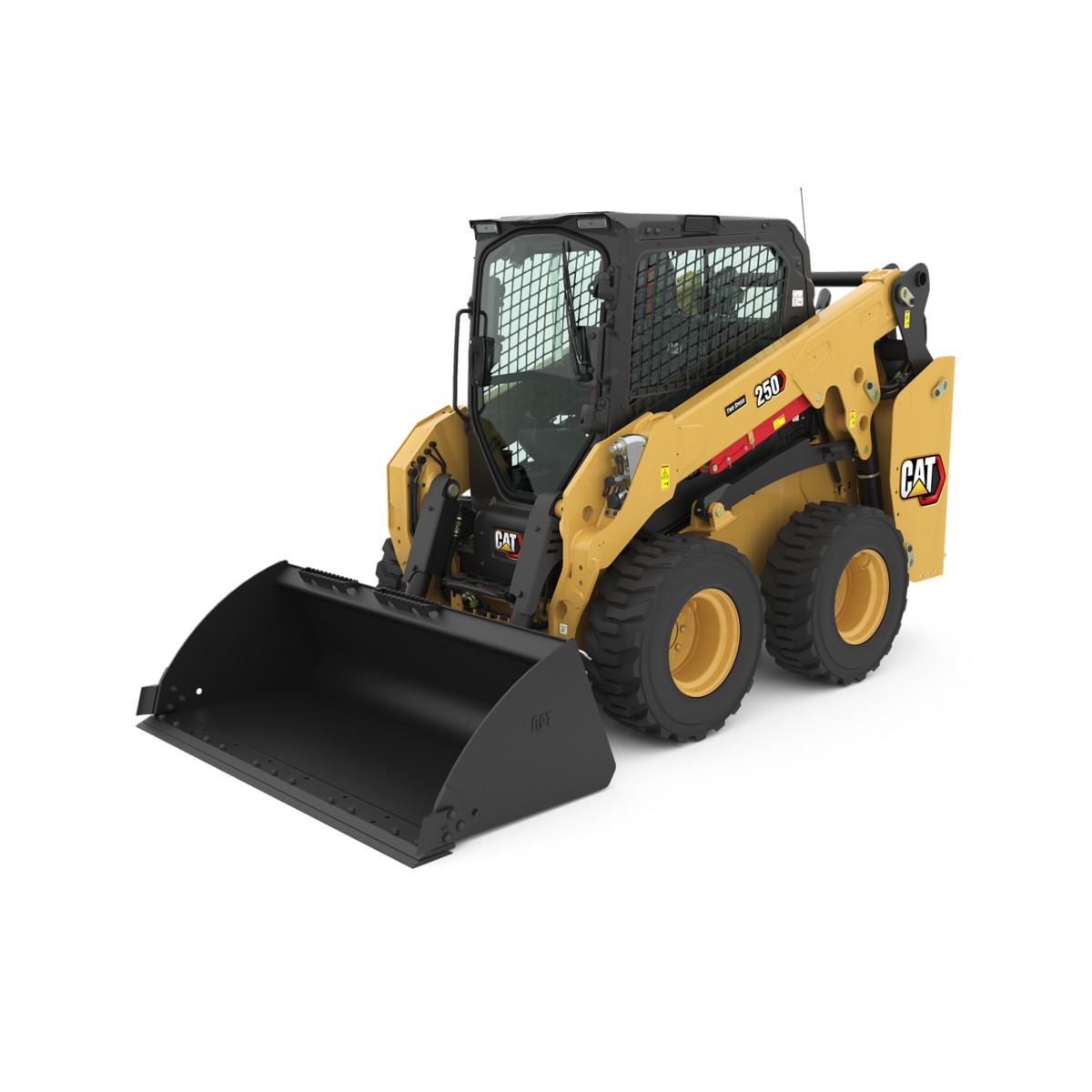
Quick take: The Cat 250 costs $2,000 less; the John Deere 330G has a higher rated operating capacity (3,000 vs 2,689 lbs); the John Deere 330G has more engine power (91 vs 74 hp).
| Spec | John Deere 330G | Cat 250 |
|---|---|---|
| Price | $68,000 | $66,000 |
| Rating | 4.5★ (380) | 4.5★ (140) |
| Type | Wheeled Skid Steer | Wheeled Skid Steer |
| Lift Path | Vertical Lift | Vertical Lift |
| ROC | 3000 lbs | 2689 lbs |
| Engine HP | 91 hp | 74 hp |
| Operating Weight | 9900 lbs | 7829 lbs |
| Tipping Load | 6000 lbs | 5378 lbs |
| Lift Height | 132 in | 124 in |
| Hydraulic Flow | 23 GPM | 20 GPM |
| Engine | Yanmar | Cat C2.8T |
| Tracks | No | No |
| Vertical lift | Yes | Yes |
| High-flow | Yes | Yes |
| Enclosed cab | Yes | Yes |
| Two-speed | Yes | Yes |
| Self-leveling | Yes | Yes |
| A/C & heat | Yes | Yes |
| Warranty | 2 yr / 2000 hr | 1 yr / 1000 hr |
Pros & cons
John Deere 330G
- ✓The 330G's 3,000 lb capacity and towering 132-inch lift height make it a truck-loading machine, and operators say it stacks and dumps with room to spare.
- ✓The 91 hp Yanmar engine delivers strong breakout and pushing force, and owners doing heavy dirt and material work praise its muscle.
- ✓Deere's massive dealer and financing network means service and parts are easy to arrange, especially for customers who also run Deere tractors.
- ✓The side-by-side cooling package is easy to clean and resists overheating in dusty conditions, which operators in demanding environments value.
- ✓EH controls with selectable response let operators tune sensitivity, helping both precision grading and heavy production work.
- ✓The large frame and long wheelbase give a stable, planted feel when handling heavy pallets at full reach, reducing tippiness.
- ✓The cab is roomy and comfortable with good visibility, and the pressurized option keeps dust out for all-day comfort.
- ✓Deere skid steers hold resale value well, and brand loyalty in ag markets supports strong trade-in numbers.
- ✗Deere parts and dealer labor pricing is on the higher end, and owners note maintenance costs add up over the machine's life.
- ✗The Yanmar's DPF emissions system can be finicky with regen during light-duty idling, interrupting work.
- ✗At nearly 10,000 lb operating weight, trailering the 330G requires a heavier truck and trailer than smaller frames.
- ✗Standard hydraulic flow is adequate but demanding attachments really want the high-flow option, which adds cost.
- ✗Some operators find the EH controls take a learning curve and feel less direct than pilot or mechanical setups.
- ✗New pricing reflects the Deere premium, and value shoppers note Case and New Holland large frames can undercut it.
- ✗The large frame is overkill for tight residential work, so it's less versatile than a medium frame for varied job sites.
- ✗Fuel consumption under heavy load is higher than smaller machines, which owners factor into running costs.
Cat 250
- ✓The 2,689 lb rated operating capacity essentially matches the bigger 262D3 it helps replace, so buyers get medium-frame lifting numbers in a lighter, cheaper package.
- ✓At 7,829 lbs it tows comfortably on a standard 10k equipment trailer with attachments, a practical advantage owners highlight over the heavier 260 and every CTL.
- ✓The new C2.8T holds its 74 hp across a wide RPM band with a big torque gain over the old D3 engines, and operators say it lugs through pushing and grading work without the constant downshifting feel.
- ✓The sealed, pressurized one-piece cab filters out dust and drops noise dramatically - rental operators note even first-time users comment on how quiet it is.
- ✓The 124-inch bucket pin height is 3 inches taller than the outgoing machines, enough to clear the sideboards on most tandem dump trucks.
- ✓No DEF system thanks to the sub-75 hp rating means one less consumable and no SCR sensors to fail, a real reliability plus for high-hour fleet duty.
- ✓Factory High Flow-ready plumbing means the 30 GPM upgrade is an enablement rather than a retrofit, so the machine can grow into hungrier attachments later.
- ✓The 8-inch touchscreen, rearview camera, and standard Product Link telematics bring fleet-management features to a price class where competitors still charge extra.
- ✗Standard auxiliary flow is 20 GPM versus 23 GPM on the old 262D3, so some attachments that ran fine on the D3 need the High Flow enablement on the 250.
- ✗The next-gen price premium is real - it lists thousands above the equivalent outgoing D3, and budget buyers note Bobcat's S66 and Case's SR-series undercut it.
- ✗Wheeled machines still can't follow CTLs onto soft or muddy ground, and buyers in wet climates increasingly skip straight to the 255 despite the higher price.
- ✗As the smallest of the new wheeled line it shares its frame with the 260, so it gives up capacity to its sibling while costing only moderately less - several reviewers call the 260 the better value.
- ✗Early-production software glitches with the touchscreen and displays showed up across the next-gen line, and fixes require a dealer visit rather than an owner reset.
- ✗The electronics-rich platform makes DIY troubleshooting harder than the D3s, effectively increasing dependence on Cat dealer service at whatever rates they charge.
- ✗The used market hasn't established residuals for the new series yet, making lease-end and trade-in values a guess compared to the deeply documented D3 machines.
- ✗Optioning it up with XPS hydraulics, premium seat, and advanced display erodes the price advantage that makes the 250 attractive in the first place.