ASV RT-75 vs ASV VT-75
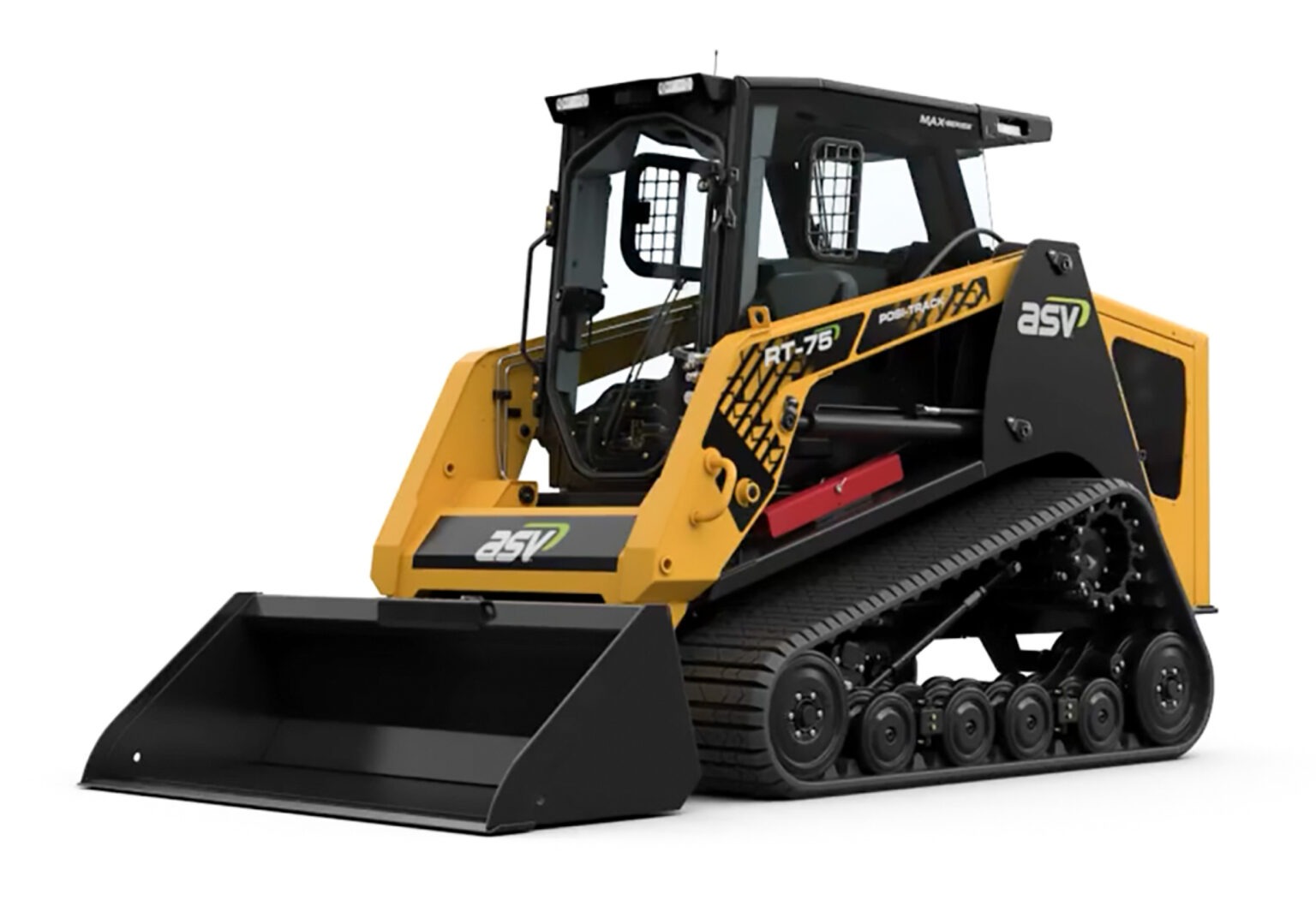
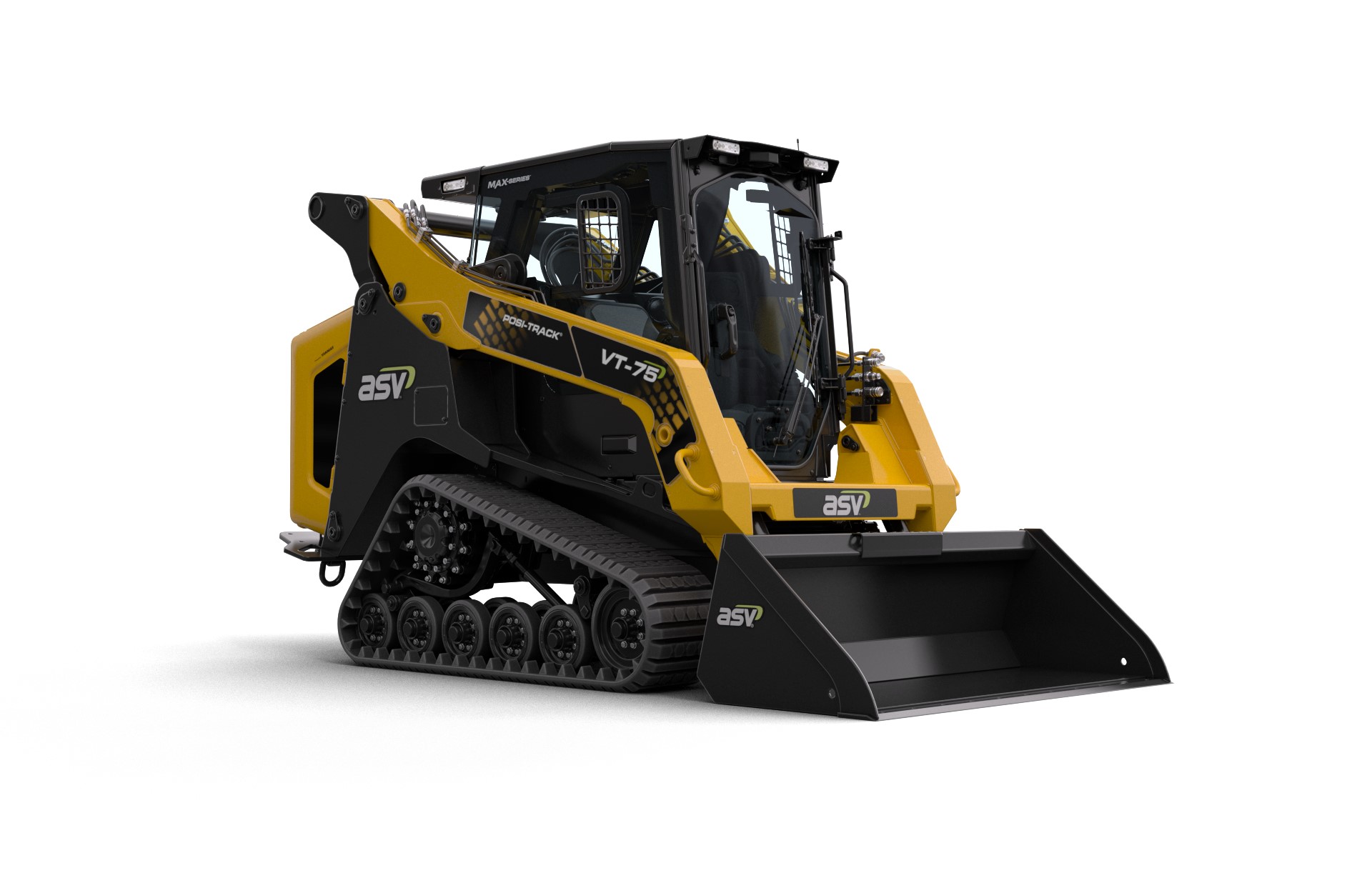
Quick take: The ASV VT-75 costs $1,000 less; the ASV RT-75 has a higher rated operating capacity (2,650 vs 2,300 lbs); the ASV RT-75 has more engine power (74 vs 72 hp).
| Spec | ASV RT-75 | ASV VT-75 |
|---|---|---|
| Price | $74,000 | $73,000 |
| Rating | 4.4★ (220) | 4.4★ (140) |
| Type | Compact Track Loader | Compact Track Loader |
| Lift Path | Radial Lift | Vertical Lift |
| ROC | 2650 lbs | 2300 lbs |
| Engine HP | 74 hp | 72 hp |
| Operating Weight | 9180 lbs | 7915 lbs |
| Tipping Load | 7570 lbs | 6571 lbs |
| Lift Height | 125 in | 126 in |
| Hydraulic Flow | 22.6 GPM | 21.4 GPM |
| Engine | Cummins QSF2.8 | Yanmar 4TN86CHT |
| Tracks | Yes | Yes |
| Vertical lift | No | Yes |
| High-flow | Yes | Yes |
| Enclosed cab | Yes | Yes |
| Two-speed | Yes | Yes |
| Self-leveling | Yes | Yes |
| A/C & heat | Yes | Yes |
| Warranty | 2 yr / 2000 hr | 2 yr / 2000 hr |
Pros & cons
ASV RT-75
- ✓The Posi-Track undercarriage with independent torsion axles delivers what owners universally call the best ride in the industry, floating over ruts and rubble that hammer rigid-undercarriage machines.
- ✓Ground pressure as low as the mid-3 psi range lets it work wet turf, bogs, and snow that would strand a Bobcat or Cat, which is the whole reason many owners buy ASV.
- ✓The 15-inch ground clearance is roughly double most competitors, so it crawls over stumps and rocks without high-centering.
- ✓The Cummins QSF2.8 is a proven, widely-serviced engine, and owners like having a common powerplant that any diesel shop can support.
- ✓The open-rail undercarriage design sheds mud and debris instead of packing it, cutting daily cleanup time in sloppy conditions.
- ✓The 125.5-inch hinge-pin height is unusually tall for a radial machine, so it loads trucks better than most radial-lift rivals.
- ✓Track speed tops out well above most CTLs, and operators moving material across big sites appreciate the genuinely fast travel.
- ✓ASV's rubber tracks run cooler and are backed by a strong track warranty, and turf-focused operators report minimal lawn damage.
- ✗The Posi-Track undercarriage has far more moving parts than a steel-embedded design, and mechanics grumble that wheels, bearings, and bogies add up to serious rebuild costs at high hours.
- ✗Replacement tracks and undercarriage components are expensive and more specialized than commodity CTL parts, so owners must budget for them upfront.
- ✗ASV's dealer network is much thinner than Bobcat or Cat, and support quality varies a lot by region — a recurring complaint in owner forums.
- ✗The radial lift path limits reach at full height compared to vertical-lift competitors, making high-sided truck loading less convenient.
- ✗Resale value trails the big brands because the used market for ASV is smaller and buyers fear undercarriage rebuild costs.
- ✗Winter freeze-up in the undercarriage is a known headache, with owners in cold climates reporting ice-packing issues the design can't fully avoid.
- ✗The cab, while improved in the Max-Series, is still judged a step behind Cat and Bobcat for fit-and-finish.
- ✗Derailment can occur if track tension isn't maintained diligently, and inexperienced operators report throwing tracks in aggressive side-hill work.
ASV VT-75
- ✓The vertical lift path and 126-inch hinge pin height clear standard dump truck sides - the main upgrade over the radial RT models it replaced.
- ✓ASV's internally suspended Posi-Track undercarriage delivers the smoothest ride in the class, letting operators carry full loads fast over rough ground.
- ✓Low ground pressure works wet lawns, septic systems, and soft spring ground with minimal damage, keeping landscapers on the clock when rivals park.
- ✓The 71.5 hp Yanmar turbo makes 193.8 ft-lbs of torque with no DEF, keeping the emissions system simple and the fuel bill modest.
- ✓A 9.1 mph two-speed drive covers big properties quickly, and the drivetrain delivers power to the tracks with less parasitic loss than gear-driven rivals.
- ✓The 21.4 GPM standard and 26.7 GPM optional high-flow circuits run attachments continuously with dedicated coolers that resist summer overheating.
- ✓At 7,915 lbs it tows lighter than the 9,000-10,000 lb machines it competes with on capability, saving on trailer and truck requirements.
- ✓The 2-year/2,000-hour warranty with no-derailment track guarantee removes the biggest fear buyers have about rubber-track undercarriages.
- ✗Undercarriage upkeep is the ASV tax - dozens of wheels and bearings need regular attention, and rebuilds cost real money when neglected.
- ✗The rubber tracks that grip so well in mud cut and chunk on rock, concrete, and demolition sites - this is a dirt and turf machine.
- ✗ASV's dealer footprint is thin outside certain regions, so parts availability and warranty service vary widely by geography.
- ✗The 2,300 lb rated capacity trails same-money conventional rivals like Kubota's SVL75-3, which lifts more per dollar.
- ✗Resale is soft because used-market buyers unfamiliar with Posi-Track routinely discount the brand.
- ✗Yanmar parts and service expertise are harder to find at independent shops than Kubota or Deere equivalents.
- ✗As a newer model the long-term durability record is short, and early adopters carry that uncertainty.
- ✗Cab refinement is improved but still trails Cat and Deere flagships in noise, sealing, and display polish.