Cat 250 vs Bobcat S66-2
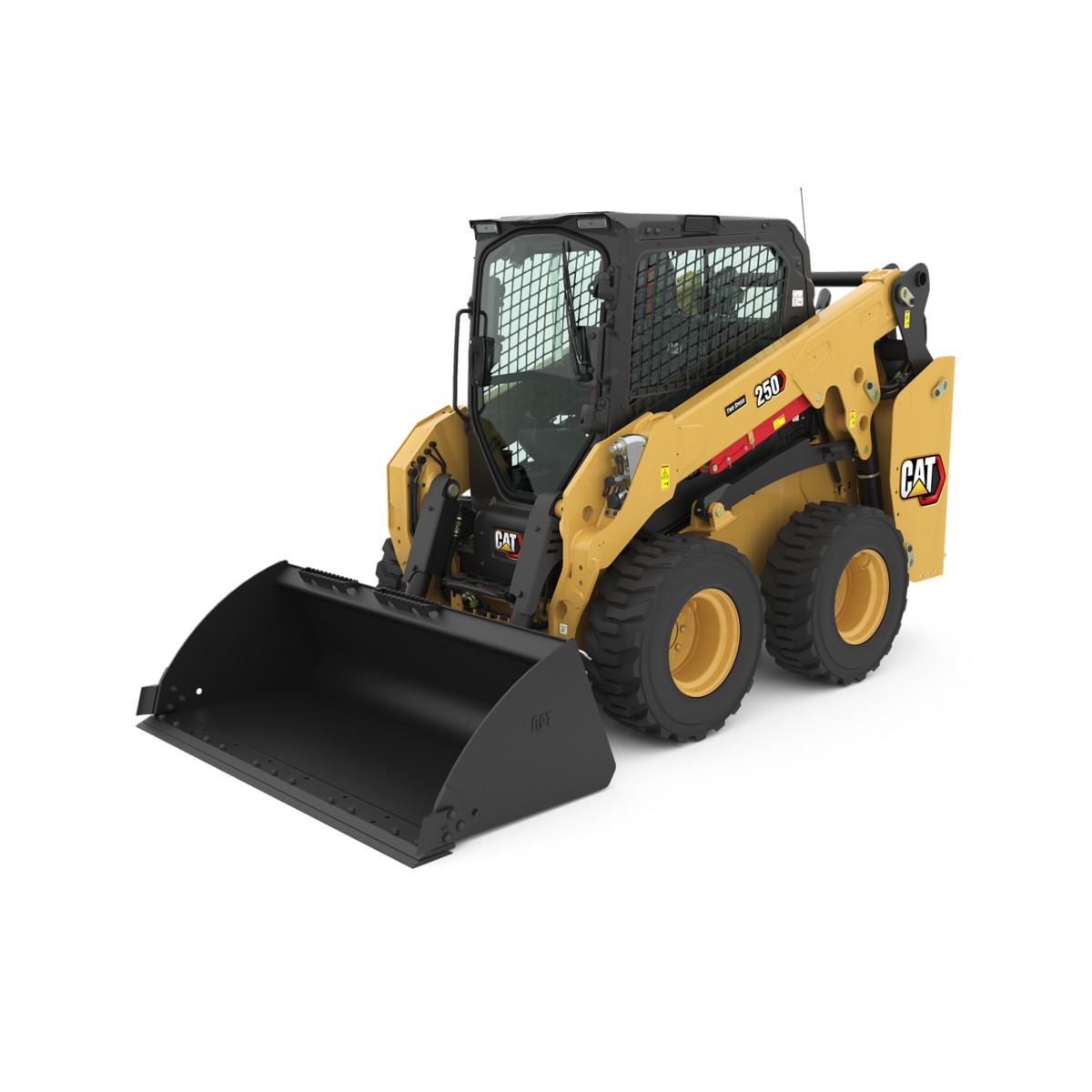
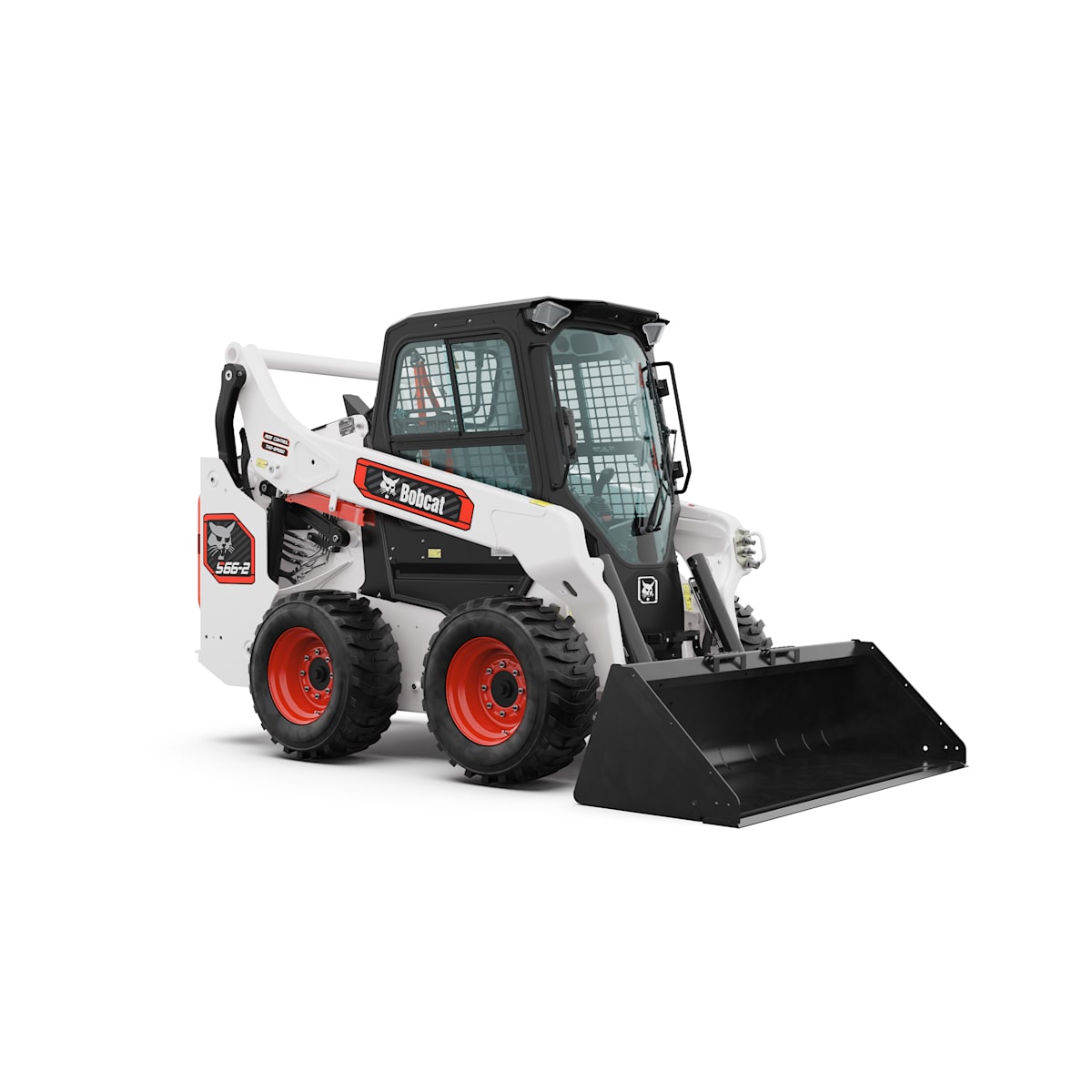
Quick take: The Bobcat S66-2 costs $3,000 less; the Cat 250 has a higher rated operating capacity (2,689 vs 2,400 lbs).
| Spec | Cat 250 | Bobcat S66-2 |
|---|---|---|
| Price | $66,000 | $63,000 |
| Rating | 4.5★ (140) | 4.6★ (60) |
| Type | Wheeled Skid Steer | Wheeled Skid Steer |
| Lift Path | Vertical Lift | Vertical Lift |
| ROC | 2689 lbs | 2400 lbs |
| Engine HP | 74 hp | 74 hp |
| Operating Weight | 7829 lbs | 7046 lbs |
| Tipping Load | 5378 lbs | 4800 lbs |
| Lift Height | 124 in | 120 in |
| Hydraulic Flow | 20 GPM | 17.6 GPM |
| Engine | Cat C2.8T | Bobcat (Doosan) D24 |
| Tracks | No | No |
| Vertical lift | Yes | Yes |
| High-flow | Yes | Yes |
| Enclosed cab | Yes | Yes |
| Two-speed | Yes | Yes |
| Self-leveling | Yes | Yes |
| A/C & heat | Yes | Yes |
| Warranty | 1 yr / 1000 hr | 2 yr / 2000 hr |
Pros & cons
Cat 250
- ✓The 2,689 lb rated operating capacity essentially matches the bigger 262D3 it helps replace, so buyers get medium-frame lifting numbers in a lighter, cheaper package.
- ✓At 7,829 lbs it tows comfortably on a standard 10k equipment trailer with attachments, a practical advantage owners highlight over the heavier 260 and every CTL.
- ✓The new C2.8T holds its 74 hp across a wide RPM band with a big torque gain over the old D3 engines, and operators say it lugs through pushing and grading work without the constant downshifting feel.
- ✓The sealed, pressurized one-piece cab filters out dust and drops noise dramatically - rental operators note even first-time users comment on how quiet it is.
- ✓The 124-inch bucket pin height is 3 inches taller than the outgoing machines, enough to clear the sideboards on most tandem dump trucks.
- ✓No DEF system thanks to the sub-75 hp rating means one less consumable and no SCR sensors to fail, a real reliability plus for high-hour fleet duty.
- ✓Factory High Flow-ready plumbing means the 30 GPM upgrade is an enablement rather than a retrofit, so the machine can grow into hungrier attachments later.
- ✓The 8-inch touchscreen, rearview camera, and standard Product Link telematics bring fleet-management features to a price class where competitors still charge extra.
- ✗Standard auxiliary flow is 20 GPM versus 23 GPM on the old 262D3, so some attachments that ran fine on the D3 need the High Flow enablement on the 250.
- ✗The next-gen price premium is real - it lists thousands above the equivalent outgoing D3, and budget buyers note Bobcat's S66 and Case's SR-series undercut it.
- ✗Wheeled machines still can't follow CTLs onto soft or muddy ground, and buyers in wet climates increasingly skip straight to the 255 despite the higher price.
- ✗As the smallest of the new wheeled line it shares its frame with the 260, so it gives up capacity to its sibling while costing only moderately less - several reviewers call the 260 the better value.
- ✗Early-production software glitches with the touchscreen and displays showed up across the next-gen line, and fixes require a dealer visit rather than an owner reset.
- ✗The electronics-rich platform makes DIY troubleshooting harder than the D3s, effectively increasing dependence on Cat dealer service at whatever rates they charge.
- ✗The used market hasn't established residuals for the new series yet, making lease-end and trade-in values a guess compared to the deeply documented D3 machines.
- ✗Optioning it up with XPS hydraulics, premium seat, and advanced display erodes the price advantage that makes the 250 attractive in the first place.
Bobcat S66-2
- ✓The new 8-inch glove-friendly touchscreen with up to 20 operator profiles and split-screen camera views finally brings Bobcat's mid-frame cab tech up to par with Cat's next-gen loaders, and early operators call it the biggest single upgrade over the R-Series.
- ✓Four selectable drive modes (Balanced, Agile, Dynamic and Charged) with precision drive software let operators tune responsiveness per task, so finish graders and pallet movers can each get the feel they want from the same machine.
- ✓The completely redesigned electrical system addresses the R-Series' most common warranty complaints - harness chafe and sensor gremlins - which is exactly the kind of unglamorous fix long-time Bobcat owners asked for.
- ✓It keeps the proven 74 hp D24 turbo-diesel with no DEF required, so there's no new emissions hardware to learn and parts commonality with the huge R-Series fleet keeps maintenance familiar.
- ✓The vertical lift path and 120-inch hinge pin height make truck loading and pallet stacking easy for a machine this size, carrying over the trait that made the S66 a landscaper favorite.
- ✓Optional Bobcat Sense camera- and radar-based detection can automatically spot obstacles and stop the machine, a genuine class-first safety feature for crews working around ground personnel.
- ✓The refreshed interior adds a heated high-back air-ride seat option, phone holder, extra storage, and USB plus USB-C charging - small touches that owners of all-day machines notice immediately.
- ✓Bobcat's dealer network remains the deepest in the industry, and because the -2 shares its core powertrain with the R-Series, dealers already stock most wear parts on day one.
- ✗As a first-model-year machine that only reached dealerships in summer 2026, early adopters are effectively beta-testing the new electrical architecture and touchscreen software.
- ✗Pricing crept up over the outgoing S66, and a well-optioned unit with high-flow, Sense detection, and the premium seat lands several thousand dollars above an equivalent R-Series leftover.
- ✗The engine is unchanged at 74 hp and 17.6 GPM standard flow, so buyers hoping the new generation would bring more power or hydraulic capability will be disappointed.
- ✗The added cameras, radar sensors, and touchscreen mean more electronics to fail and more diagnostics that require a dealer laptop, eroding the simple-to-wrench reputation Bobcats built their name on.
- ✗Bob-Tach and Bobcat's proprietary attachment ecosystem still nudge owners toward pricey Bobcat-branded tools, and dealer parts pricing remains among the highest in the industry.
- ✗The standard 17.6 GPM flow is low for the class, so running planers or mulching heads still forces the extra-cost 26.9 GPM high-flow option.
- ✗Resale on the new -2 generation is unproven, and with clean used R-Series S66 machines flooding trade-in lots, early -2 buyers may take a steeper first-owner depreciation hit.
- ✗Some operators find the drive-mode and profile menus add complexity for mixed crews - a rental yard or multi-operator fleet has to manage settings that old machines simply didn't have.