John Deere 333G vs JCB 3TS-8T Teleskid
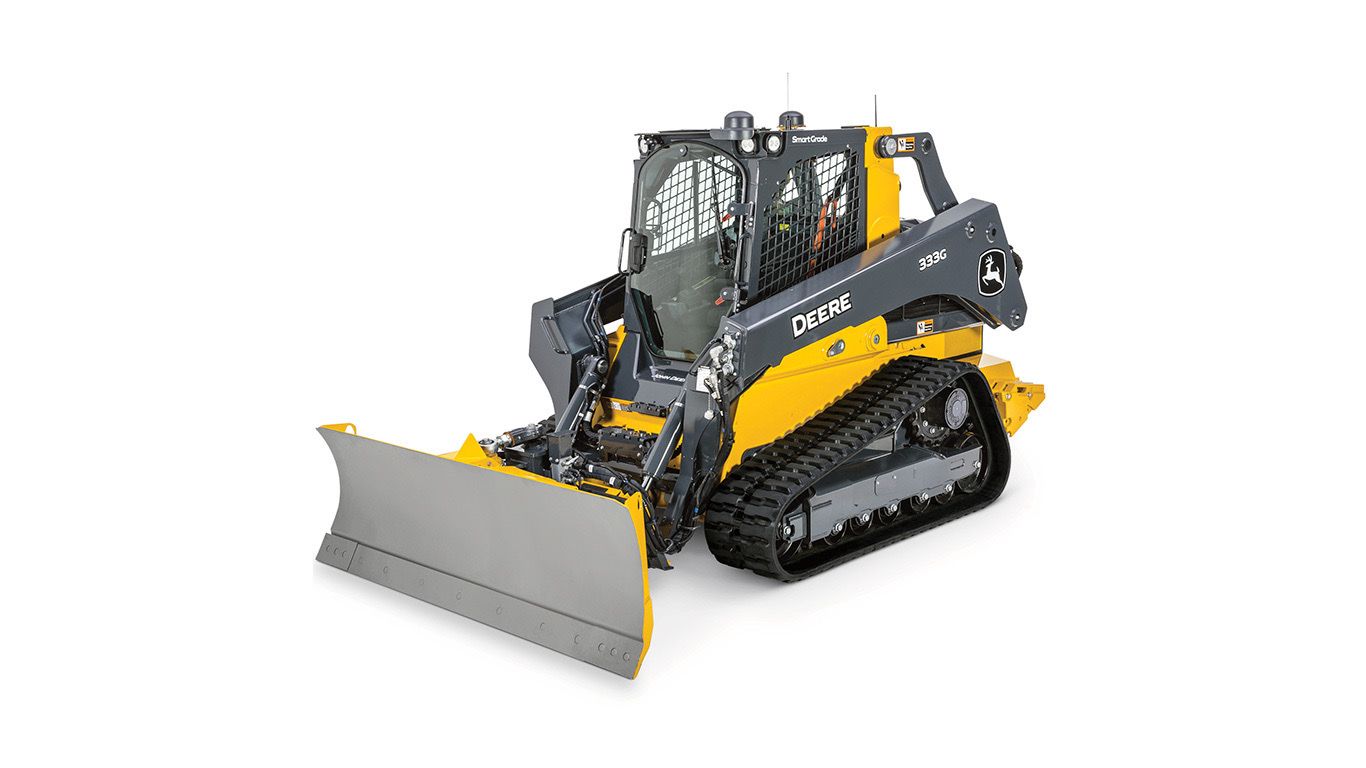
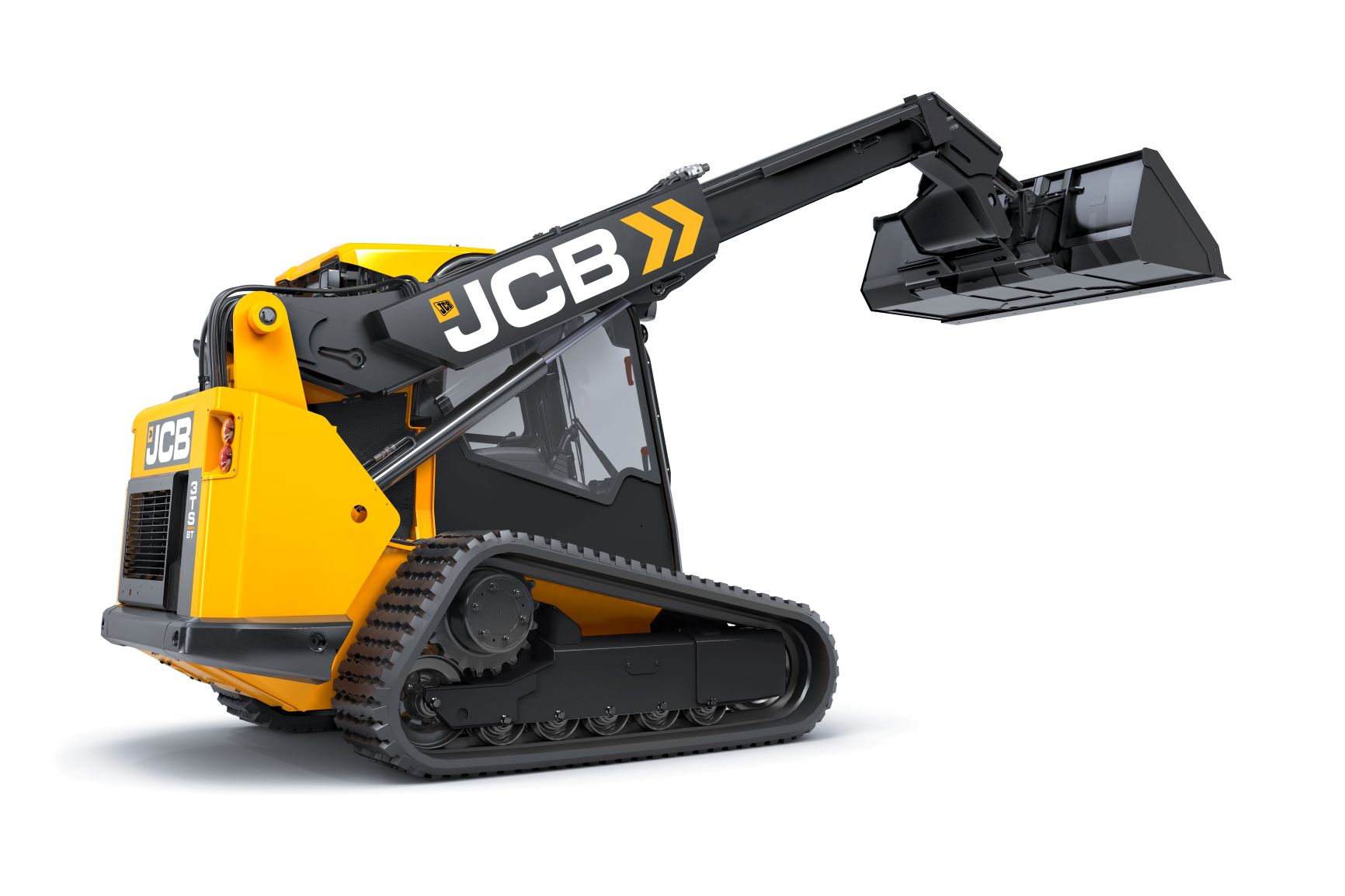
Quick take: The John Deere 333G costs $4,000 less; the John Deere 333G has a higher rated operating capacity (3,700 vs 3,695 lbs); the John Deere 333G has more engine power (100 vs 74 hp).
| Spec | John Deere 333G | JCB 3TS-8T Teleskid |
|---|---|---|
| Price | $88,000 | $92,000 |
| Rating | 4.6★ (620) | 4.3★ (190) |
| Type | Compact Track Loader | Compact Track Loader |
| Lift Path | Vertical Lift | Radial Lift |
| ROC | 3700 lbs | 3695 lbs |
| Engine HP | 100 hp | 74 hp |
| Operating Weight | 12100 lbs | 12615 lbs |
| Tipping Load | 10570 lbs | 10557 lbs |
| Lift Height | 131 in | 159 in |
| Hydraulic Flow | 25 GPM | 24 GPM |
| Engine | Yanmar | JCB EcoMAX |
| Tracks | Yes | Yes |
| Vertical lift | Yes | No |
| High-flow | Yes | Yes |
| Enclosed cab | Yes | Yes |
| Two-speed | Yes | Yes |
| Self-leveling | Yes | Yes |
| A/C & heat | Yes | Yes |
| Warranty | 2 yr / 2000 hr | 2 yr / 2000 hr |
Pros & cons
John Deere 333G
- ✓The 333G is the best-selling used CTL in America, and owners credit its blend of 100 hp power, 3,700 lb capacity, and Deere support for the popularity.
- ✓The high-flow option up to 41 GPM lets it run mulchers, planers, and snow blowers, and land-management crews specifically choose it for that muscle.
- ✓The 100 hp Yanmar engine pulls strongly, and owners doing heavy dirt and material work praise the drivetrain's durability under sustained load.
- ✓Deere's massive dealer and financing network makes parts, service, and support easy, a big factor for high-utilization commercial owners.
- ✓The side-by-side cooling package resists overheating and cleans out easily in dusty, debris-heavy environments.
- ✓The vertical lift and 131-inch hinge-pin height make loading tall trucks and hoppers effortless for a large-frame CTL.
- ✓The cab is roomy and comfortable with EH controls and good visibility, holding up well over long production days.
- ✓Resale value is exceptional — the 333G's used demand is among the highest of any CTL, protecting owners at trade-in.
- ✗Deere parts and undercarriage costs are on the higher end, and track replacement on a 12,000-lb machine is expensive.
- ✗The Yanmar's DPF emissions system can be finicky with regen during light-duty idling, interrupting production.
- ✗At over 12,000 lb it requires a heavy-duty truck and trailer, limiting mobility for smaller operators.
- ✗New pricing reflects the Deere premium, and value shoppers note Case and New Holland large-frame CTLs undercut it.
- ✗Some operators find the EH controls take a learning curve and feel less direct than pilot or mechanical setups.
- ✗Its size and weight make it overkill and less nimble for tight residential work versus a medium-frame CTL.
- ✗The feature-rich cab and high-flow package push the price up quickly, so a well-equipped 333G is a major investment.
- ✗Mud and debris packing in the undercarriage requires regular cleaning to protect components and track life.
JCB 3TS-8T Teleskid
- ✓The telescopic boom is genuinely unique — 13'3" of lift height and 8 feet of forward reach let it stack bales two-high, load feed mixers, and reach across trailers in ways no conventional skid steer can.
- ✓The side-entry door means operators never crawl over the attachment or under a raised boom, and owners call it a game-changing safety and convenience feature after living with front-entry machines.
- ✓It can dig 3 feet below grade with the boom extended, letting it backfill from one side of a trench or unload from a single trailer side — party tricks that replace a second machine on some jobs.
- ✓The JCB EcoMAX engine hits 74 hp without a DPF or DEF, so there are no regen interruptions or fluid top-offs, which owners burned by emissions headaches specifically appreciate.
- ✓The single-arm PowerBoom is made of high-tensile steel with a huge cross-section, and JCB's decades of backhoe and telehandler experience show in the boom's rigidity.
- ✓Visibility is exceptional — with no right-side boom arm and a big glass area, operators report a 60% better view than conventional twin-arm skid steers.
- ✓The US Marine Corps selected the Teleskid for its Multi-Terrain Loader program, a durability endorsement owners like to cite.
- ✓For farms and ranches it can replace both a skid steer and a small telehandler, and multi-machine owners say the consolidation justifies the premium.
- ✗Capacity at full extension drops to around 1,600 lb, and buyers expecting to lift heavy pallets at maximum reach are consistently disappointed — the big rated number only applies with the boom retracted.
- ✗At around $92,000 it costs flagship-CTL money, and forum users repeatedly question whether the reach justifies the price unless you truly need it weekly.
- ✗The single-side boom concentrates weight on one side, and operators cutting grades report the machine leaning toward the boom side until they adapt.
- ✗JCB's compact-equipment dealer network is thin in much of the US, and owners report parts waits and inconsistent service experience by region.
- ✗The telescoping boom adds wear points, and JCB has revised the boom design over the years to address slop and wear at the extension points.
- ✗Some owners report quality-control irritations like A/C and sensor faults that took multiple dealer visits to resolve.
- ✗Resale is a question mark because the used market for such a specialized machine is small, and trade-in offers reflect that uncertainty.
- ✗At over 12,600 lb it's the heaviest machine in its class, requiring a serious truck and trailer to move between jobs.