Kubota SSV65 vs John Deere 316 P-Tier
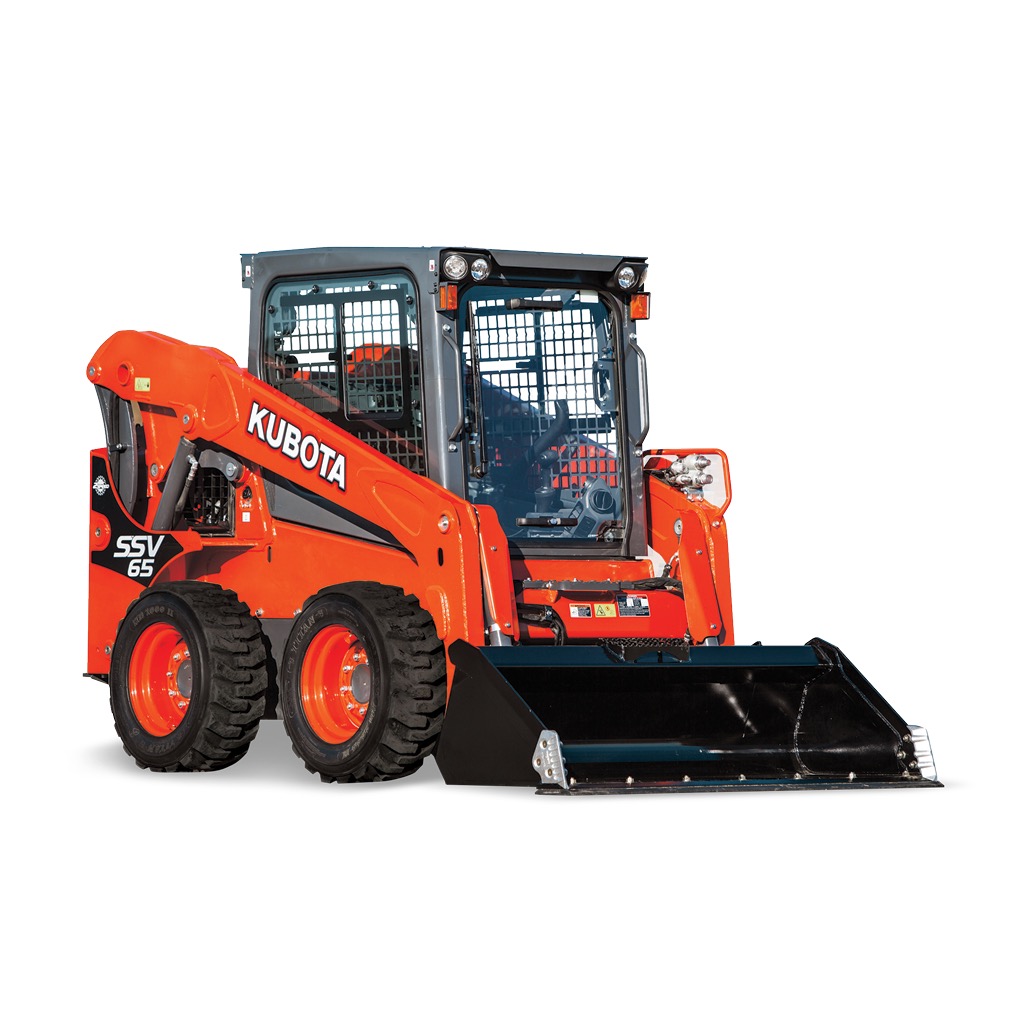
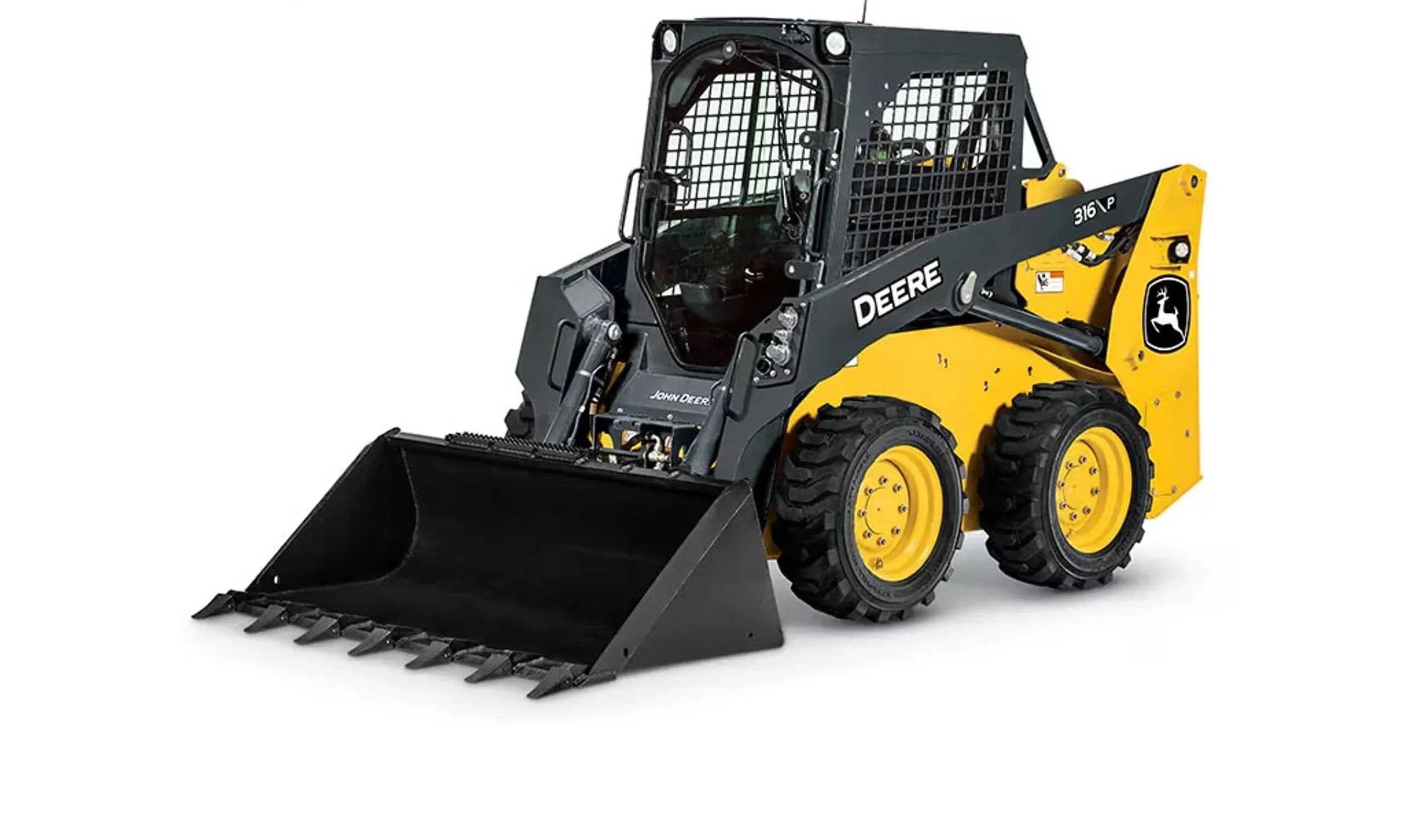
Quick take: The Kubota SSV65 has a higher rated operating capacity (1,950 vs 1,750 lbs); the John Deere 316 P-Tier has more engine power (65 vs 64 hp).
| Spec | Kubota SSV65 | John Deere 316 P-Tier |
|---|---|---|
| Price | $47,000 | $47,000 |
| Rating | 4.4★ (320) | 4.4★ (55) |
| Type | Wheeled Skid Steer | Wheeled Skid Steer |
| Lift Path | Vertical Lift | Radial Lift |
| ROC | 1950 lbs | 1750 lbs |
| Engine HP | 64 hp | 65 hp |
| Operating Weight | 6790 lbs | 6180 lbs |
| Tipping Load | 3900 lbs | 3500 lbs |
| Lift Height | 119 in | 115 in |
| Hydraulic Flow | 17.9 GPM | 17 GPM |
| Engine | Kubota V2607-CR-TE4 | Yanmar 4TNV86CHT |
| Tracks | No | No |
| Vertical lift | Yes | No |
| High-flow | Yes | No |
| Enclosed cab | Yes | Yes |
| Two-speed | Yes | Yes |
| Self-leveling | Yes | Yes |
| A/C & heat | Yes | Yes |
| Warranty | 2 yr / 2000 hr | 2 yr / 2000 hr |
Pros & cons
Kubota SSV65
- ✓Kubota builds its own engines, and owners rave about the reliability and easy parts access through the huge Kubota tractor dealer network they already know.
- ✓The slide-up front door and large glass area give class-leading visibility and let operators enter and exit even with the bucket down, which is a genuine daily convenience.
- ✓The cab is notably roomy and quiet for a small frame, and operators coming from a Bobcat often comment it feels bigger inside than the spec sheet suggests.
- ✓Vertical lift geometry in this price bracket means strong dump height for loading trucks, undercutting pricier vertical-lift competitors.
- ✓Kubota pricing typically comes in below Bobcat and Cat for comparable specs, so value-focused buyers feel they get more machine for the money.
- ✓The V2607 engine is fuel-efficient and torquey, and farm owners report years of trouble-free running with basic maintenance.
- ✓Standard two-speed travel makes ground-to-ground moves quick, which operators like on bigger properties.
- ✓Kubota's reputation for holding value means resale is strong, especially in agricultural markets where the brand is trusted.
- ✗The 1,950 lb capacity and 64 hp are modest, and contractors doing heavy work say it runs out of muscle faster than a comparable medium frame.
- ✗Kubota's construction-equipment dealer coverage, while growing, isn't as dense as Bobcat's, so some buyers report longer waits for specialized parts.
- ✗The slide-up door design draws mixed reviews — some owners find the seals leak dust and water over time.
- ✗Attachment ecosystem is smaller than Bobcat's, so finding used or rental implements locally can be harder in some regions.
- ✗Standard hydraulic flow is on the low side, pushing buyers toward the high-flow option for demanding attachments.
- ✗Some operators feel the joystick control response is less refined than Cat or Bobcat, taking longer to master for fine work.
- ✗The vertical lift linkage adds some maintenance points, and owners note occasional pin and bushing wear over heavy use.
- ✗Ground clearance and breakout force lag behind radial-lift rivals for hard digging, so it's better suited to loading than excavation.
John Deere 316 P-Tier
- ✓At 6,180 lbs it's genuinely towable behind a half-ton pickup on a standard equipment trailer, with factory front and rear tie-downs that make strapping down quick.
- ✓The heavy-duty tire option narrows the machine to 60 inches, squeezing through backyard gates and doorways that stop mid-frame machines cold.
- ✓Radial lift geometry digs, grades, and backfills better than vertical-lift rivals at this size, with strong breakout force low in the lift path where small machines actually work.
- ✓EH ISO-pattern joystick controls are standard - a feature that was optional or unavailable on the old 316GR and still costs extra on some competitors.
- ✓The 65 hp turbo Yanmar meets Tier 4 Final without DEF, keeping the fluid checklist short for owners who don't run the machine daily.
- ✓The sealed and pressurized cab option with A/C is a rarity in the small-frame class, where most competitors offer only a canopy or a leaky bolt-on enclosure.
- ✓Standard connect-under-pressure flat-face couplers make attachment swaps painless even when a hose was left pressurized in the sun.
- ✓Deere's dealer network and the JDLink telematics that come free from the factory give small operators big-fleet parts access and machine tracking.
- ✗The 1,750 lb rated capacity fills up fast - a full pallet of sod or block exceeds it, forcing double-handling that mid-frame owners never think about.
- ✗Base machines are single-speed at 6.9 mph, and the two-speed transmission that competitors include standard is an extra-cost option here.
- ✗There is no high-flow hydraulic option at all, capping the attachment list at 17 GPM tools and ruling out mulchers and cold planers entirely.
- ✗The 115-inch hinge pin height and radial arc make loading tall dump trucks awkward - the bucket wants to reach out, not up, at full height.
- ✗The 9-foot-7 lift height and modest dump reach mean sideboarded tandem trucks are effectively off the menu without a ramp.
- ✗Pricing crept up over the outgoing 316GR, and a cab-and-A/C unit approaches mid-frame territory where far more capable machines live.
- ✗Resale watchers note the small-frame wheeled segment is shrinking as compact track loaders take over, which could soften long-term values.
- ✗Owners report the compact cab entry is tight for larger operators, and the smaller frame transmits more chatter on rough ground than heavier machines.