Bobcat T86-2 vs JCB 400T
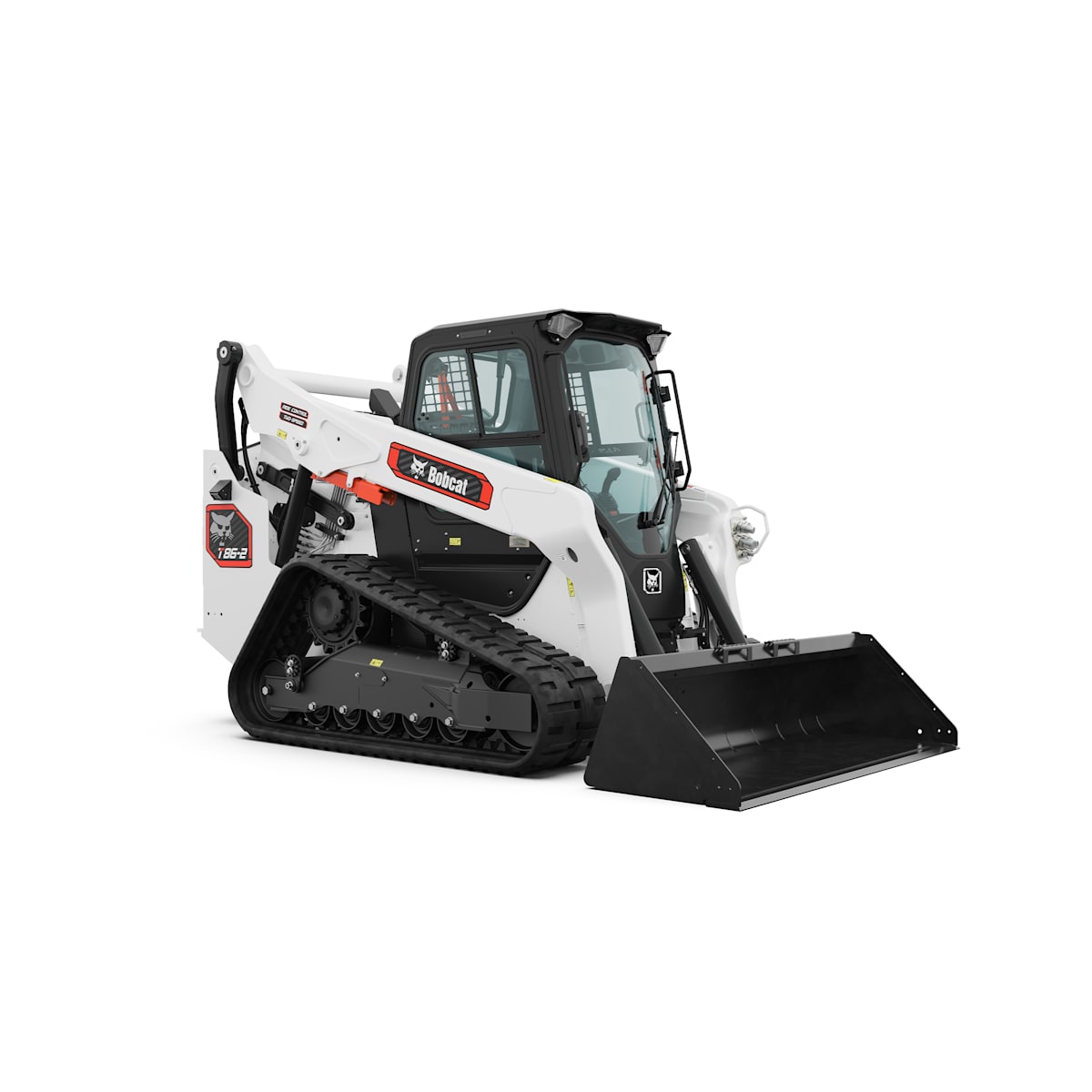
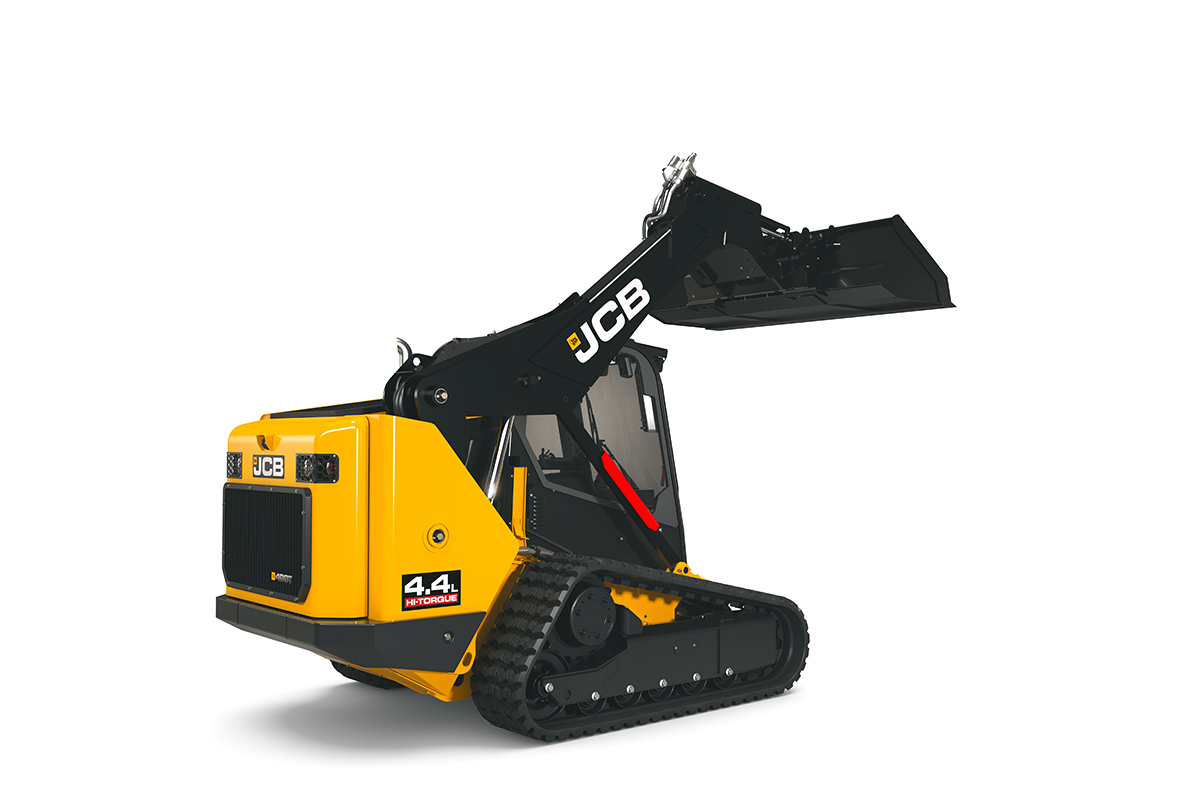
Quick take: The Bobcat T86-2 costs $4,000 less; the JCB 400T has a higher rated operating capacity (3,994 vs 3,925 lbs); the Bobcat T86-2 has more engine power (115 vs 109 hp).
| Spec | Bobcat T86-2 | JCB 400T |
|---|---|---|
| Price | $99,000 | $103,000 |
| Rating | 4.7★ (45) | 4.6★ (20) |
| Type | Compact Track Loader | Compact Track Loader |
| Lift Path | Vertical Lift | Vertical Lift |
| ROC | 3925 lbs | 3994 lbs |
| Engine HP | 115 hp | 109 hp |
| Operating Weight | 12083 lbs | 12544 lbs |
| Tipping Load | 11215 lbs | 11411 lbs |
| Lift Height | 132 in | 123 in |
| Hydraulic Flow | 23 GPM | 24 GPM |
| Engine | Bobcat (Doosan) 3.4L | JCB EcoMax 4.4L |
| Tracks | Yes | Yes |
| Vertical lift | Yes | Yes |
| High-flow | Yes | Yes |
| Enclosed cab | Yes | Yes |
| Two-speed | Yes | Yes |
| Self-leveling | Yes | Yes |
| A/C & heat | Yes | Yes |
| Warranty | 2 yr / 2000 hr | 2 yr / 2000 hr |
Pros & cons
Bobcat T86-2
- ✓The bump to 115 hp makes the T86-2 the most powerful loader Bobcat has ever built, and paired with super-flow hydraulics it runs mulchers and planers that stall smaller flagships.
- ✓Rated capacity climbs to 3,925 lb with an 11,215 lb tipping load, keeping it among the strongest vertical-lift CTLs on the market.
- ✓The three-tier hydraulic lineup - standard, high-flow (36.6 GPM), and super-flow (42 GPM) - remains unique in the class, letting one machine cover every attachment a fleet owns.
- ✓The redesigned -2 electrical architecture with the 8-inch touchscreen, operator profiles, and Machine IQ telematics directly targets the harness and sensor gremlins reported on R-Series machines.
- ✓Four drive modes with precision drive software let operators soften the 12,000 lb machine for grading passes or sharpen it for aggressive production work.
- ✓The 132-inch hinge-pin vertical lift path loads the tallest trucks effortlessly, and the 5-link torsion suspension keeps loads stable over rough ground.
- ✓Optional Bobcat Sense object detection and available Jobsite Companion voice controls bring genuine safety and convenience firsts to the flagship CTL class.
- ✓Bobcat's dealer network and the T86's proven resale strength carry over, protecting the substantial investment better than lesser-known flagships.
- ✗Six-figure territory once super-flow, tracks, and Sense options are added - the T86-2 costs more than some compact excavators.
- ✗First-model-year -2 electronics are unproven, a real risk on a machine bought for maximum-production work where downtime is expensive.
- ✗The 115 hp 3.4L keeps its DPF emissions system, which frustrates owners during light-duty cycles and extended idling.
- ✗At over 12,000 lb it demands a heavy-duty truck and trailer combination, and many crews need a CDL to move it legally.
- ✗Bobcat parts and labor pricing is among the industry's highest, and the electronics-dense platform deepens dealer dependence.
- ✗Rubber tracks on a 12,000 lb machine running super-flow attachments wear fast, and replacement sets are a four-figure recurring cost.
- ✗The big frame gives up the tight-site agility that draws buyers to mid-frame CTLs, limiting versatility for general contractors.
- ✗Resale for the new -2 generation is unproven while clean used T86s on dealer lots undercut it by five figures.
JCB 400T
- ✓The single-arm PowerBoom and side-entry door mean operators never climb over an attachment or under a raised boom - JCB claims up to 60% better sightlines than twin-arm machines, and the boom carries a lifetime warranty.
- ✓The 109 hp 4.4L EcoMax engine hits Tier 4 Final with no DPF, so there are no regen cycles interrupting mulching or grading work and less emissions hardware to maintain.
- ✓The optional Super Flow package delivers up to 42.3 GPM at a selectable 3,300 or 4,000 psi, putting it in true high-production mulcher and cold-planer territory.
- ✓This is JCB's biggest CTL ever - a 3,994 lb rated capacity and 12,544 lb operating weight built on a redesigned chassis and cooling system for sustained heavy work.
- ✓The cab is up to 33% larger than competitors with a heated air-suspension seat, 7-inch touchscreen, Bluetooth, and electro-hydraulic joysticks with ISO and H-pattern options.
- ✓The PowerBoom on this model contains 20% more steel for extra strength, and vertical lift geometry gives clean reach at truck-loading height with a 9'6" dump height.
- ✓MyChoice settings let each operator tune joystick response and drive behavior, which fleets appreciate when multiple people share the machine.
- ✓It's built in Savannah, Georgia alongside JCB's other North American compact machines, keeping parts supply domestic.
- ✗It's a brand-new model launched in April 2026, so there's no long-term reliability track record and early adopters are effectively field-testing year one.
- ✗The 123-inch hinge pin height is modest for the 100-plus hp class - Case's TV620B and Cat's 285 both place the pin noticeably higher for loading tall trucks.
- ✗At 12,544 lbs before attachments, hauling it legally requires a heavier truck and trailer setup than most compact fleets already own.
- ✗JCB's compact-line dealer network is still thinner than Bobcat, Cat, or Deere in much of rural America, which matters more on a flagship machine you can't afford to have down.
- ✗Pricing starts around $101,000 and climbs past $114,000 equipped, right at the top of the CTL market.
- ✗The left-side door is the only entry, so parking tight against an obstacle on that side locks you out.
- ✗Resale value for single-boom machines is unproven at this size because the used market for them is narrower than for conventional twin-arm loaders.
- ✗Getting maximum attachment performance requires stepping up to the optional Super Flow package - the standard 24 GPM circuit is ordinary for this class.