Head to head
Case SR175B against Case SV185B
The Case SR175B saves $4,000; the Case SV185B carries 100 lb more once both are rated the same way; the Case SV185B moves 3.6 GPM more through the auxiliary circuit.
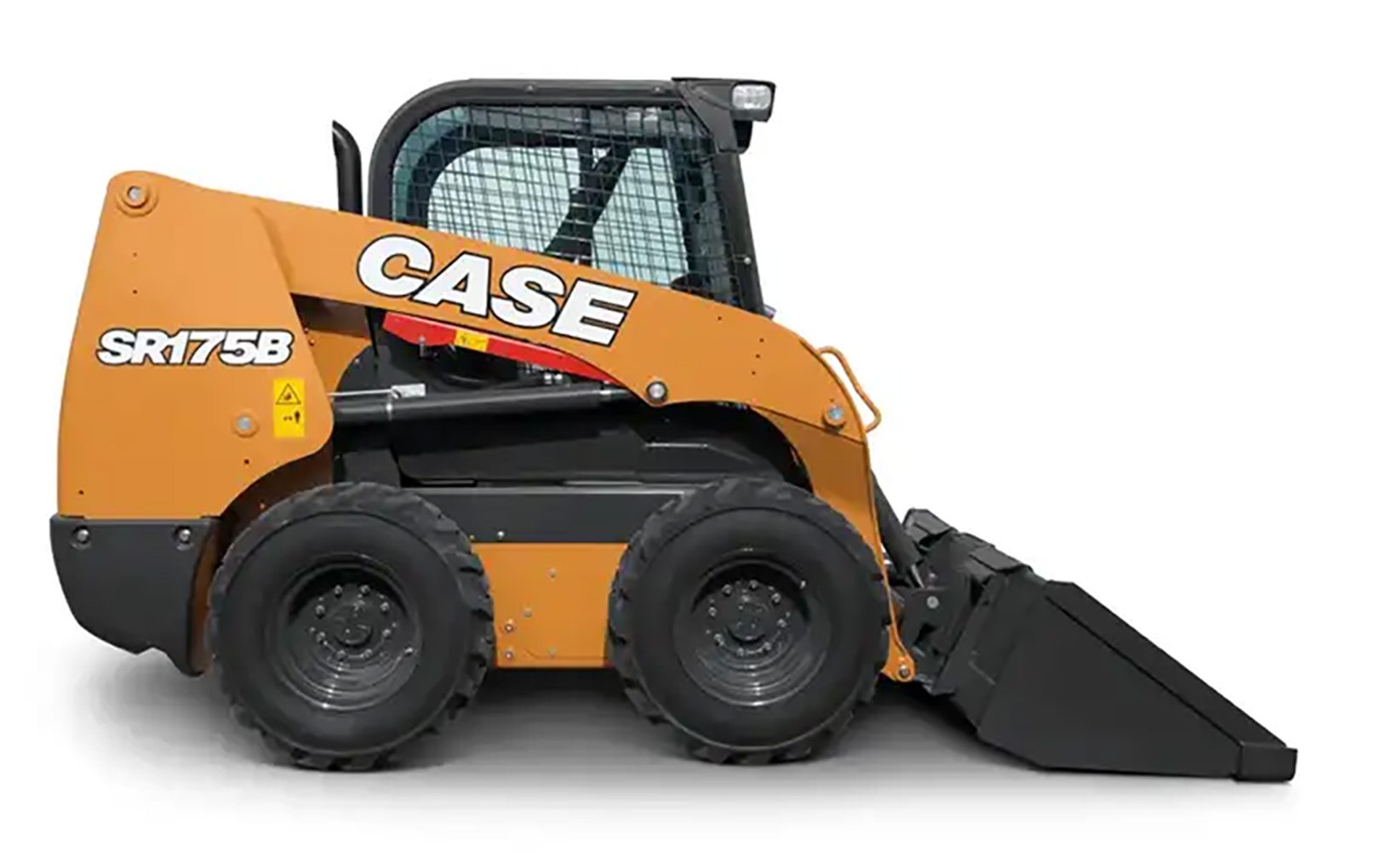

| Spec | Case SR175B | Case SV185B |
|---|---|---|
| Price | $46,000 | $50,000 |
| Rated capacity, as advertised | 1,750 lbs | 1,850 lbs |
| Rated at | 50% of tipping load | 50% of tipping load |
| Tipping load | 3,500 lbs | 3,700 lbs |
| Capacity at its class convention | 1,750 lbs | 1,850 lbs |
| Engine power | 67 hp | 60 hp |
| Engine | Perkins/ISM | Perkins/ISM |
| Auxiliary flow | 20.6 GPM | 24.2 GPM |
| Lift height | 122 in | 120 in |
| Operating weight | 6,270 lbs | 6,570 lbs |
| Lift path | Radial Lift | Vertical Lift |
| Rubber tracks | No | No |
| High flow available | Yes | Yes |
| Enclosed cab available | Yes | Yes |
| Two-speed travel available | Yes | Yes |
| Self-levelling available | Yes | Yes |
| A/C and heat available | Yes | Yes |
| Warranty | 2 yr / 2,000 hr | 2 yr / 2,000 hr |
What owners say about each
Case SR175B
- The 7,270 lb bucket breakout force matches Case's 74 hp SR210B, so it digs like a machine a full frame size bigger.
- A 122-inch hinge pin height is exceptional for a small frame - it clears one-ton dump bodies that leave rivals like the Bobcat S450 short.
- The optional 30.7 GPM high-flow package is rare in this class and lets it run attachments most small frames simply can't power.
- The Tier 4 solution uses only a DOC - no DPF, no regens, no DEF - which owners cite as a genuine maintenance advantage over competitors.
- At 6,270 lbs it's still towable behind a well-equipped half-ton, keeping transport simple for solo operators.
- Case pricing undercuts comparable Bobcat and Cat small frames, and the included 7-year telematics subscription sweetens the deal.
- The 1,750 lb rated capacity limits pallet work - full pallets of sod or pavers push it to the edge of its tipping load.
- Radial lift geometry pulls the load back toward the machine at height, so reach at the top of the arc trails vertical-lift rivals for truck loading.
- The 20.6 GPM standard flow is modest, and buyers who skip the high-flow option find mid-size attachments starved.
- Two-speed, enclosed cab, and EH controls are all options that push a well-equipped price well past the attractive base number.
- Owners report occasional sensor and electrical gremlins on B-series machines that can require dealer software updates to resolve.
- The Perkins-family engine is reliable but less familiar to many mechanics than Kubota or Cat power, which can complicate field repairs.
Case SV185B
- The predecessor SV185 was Case's best-selling skid steer for years, so the platform is thoroughly proven and used values stay liquid.
- Two-speed travel (7.4 and 10.8 mph) is available, so it covers ground between barn and field far faster than single-speed entry machines.
- Standard auxiliary flow is 24.2 GPM at 3,050 psi - the same standard flow Case gives its 74 hp mid-range machines, so most attachments run without paying for the high-flow package.
- The optional 30.7 GPM high-flow package gives it attachment capability well beyond the typical 60 hp machine.
- Simple, serviceable mechanicals and a familiar Perkins-family engine keep maintenance cheap and DIY-friendly.
- The B-series cab update brought push-button start, an available 8-inch LCD display with backup camera, and switchable EH control patterns.
- Case pricing undercuts vertical-lift competitors like the Bobcat S64, and the included 7-year telematics subscription adds value.
- With 60 hp and 135 lb-ft of torque it works hard in heavy digging - operators pushing into packed piles wish for the SR210B's 74 hp.
- Vertical-lift linkage adds complexity and pivot points over a radial design, meaning more pins and bushings to maintain long-term.
- The 5,550 lb breakout force trails the radial SR175B by a wide margin, so it's the weaker digger of Case's two small frames.
- Enclosed cab, two-speed, and EH controls are all options that push the real-world price well above base.
- Owners report occasional B-series sensor and electrical glitches that can require a dealer visit to clear.
- Resale value trails the big three brands, partially offsetting the lower purchase price at trade-in.