Head to head
Case SR210B against Case SR240B
The Case SR210B saves $5,000; the Case SR240B carries 300 lb more once both are rated the same way.
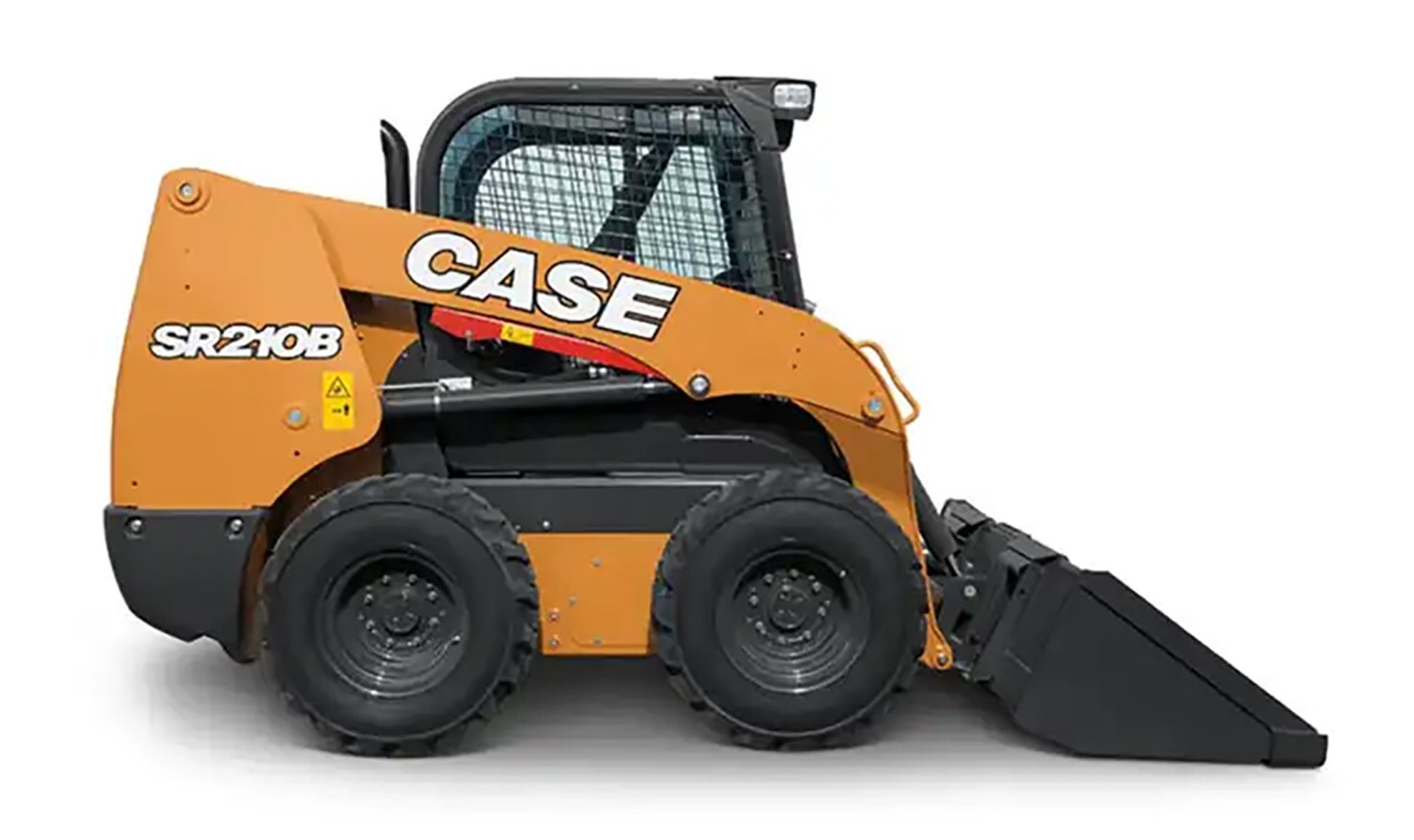
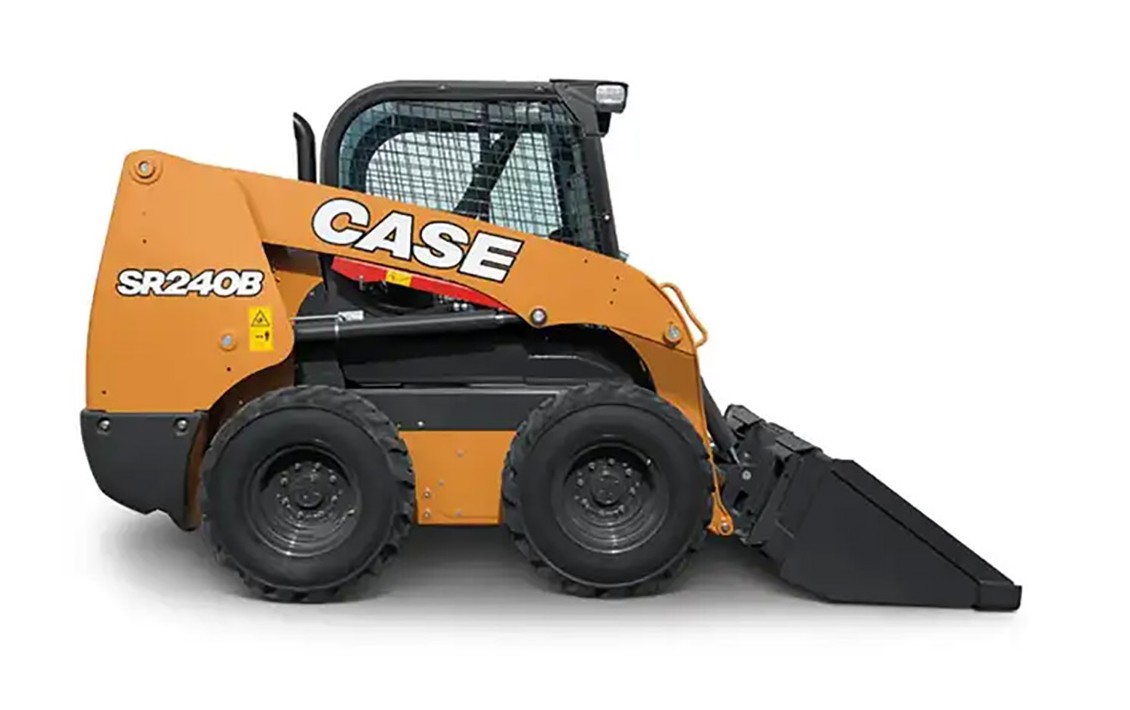
| Spec | Case SR210B | Case SR240B |
|---|---|---|
| Price | $54,000 | $59,000 |
| Rated capacity, as advertised | 2,100 lbs | 2,400 lbs |
| Rated at | 50% of tipping load | 50% of tipping load |
| Tipping load | 4,200 lbs | 4,800 lbs |
| Capacity at its class convention | 2,100 lbs | 2,400 lbs |
| Engine power | 74 hp | 74 hp |
| Engine | FPT | FPT |
| Auxiliary flow | 24.2 GPM | 24.2 GPM |
| Lift height | 123 in | 125.1 in |
| Operating weight | 6,970 lbs | 7,400 lbs |
| Lift path | Radial Lift | Radial Lift |
| Rubber tracks | No | No |
| High flow available | Yes | Yes |
| Enclosed cab available | Yes | Yes |
| Two-speed travel available | Yes | Yes |
| Self-levelling available | Yes | Yes |
| A/C and heat available | Yes | Yes |
| Warranty | 2 yr / 2,000 hr | 2 yr / 2,000 hr |
What owners say about each
Case SR210B
- The 3.4L FPT's Tier 4 solution uses only cooled EGR and a DOC - no DPF regens and no DEF tank - which owners rank among the lowest-hassle emissions setups in the industry.
- The 3.4L engine is huge for a 74 hp machine, and its 232 lb-ft of torque lugs through hard digging where smaller-displacement rivals stall.
- The 24.2 GPM standard flow leads the mid-frame class and runs many attachments that force competitors into high-flow upgrades.
- The B-series cab is wide with a big door opening and great sightlines, and the available 8-inch LCD display with backup camera modernizes the operator station.
- Case pricing undercuts a comparable Bobcat S64 or Cat 250 build, and the included 7-year telematics subscription adds ongoing value.
- Radial geometry gives up reach and dump height at the top of the arc, so loading tall dump trucks is harder than in the vertical-lift SV280B.
- The 2,100 lb capacity sits in a crowded middle ground - heavy pallet work quickly points buyers to the SR240B or SV280B instead.
- Owners report occasional sensor faults and electrical gremlins on B-series machines, sometimes requiring dealer software updates.
- Two-speed, enclosed cab with A/C, and EH controls are extra-cost options that push real-world prices well past base.
- The FPT engine, while stout, is less familiar to independent mechanics than Kubota or Cat power, complicating out-of-warranty repairs.
- At 6,970 lbs it needs a 3/4-ton truck and proper trailer, losing the easy-towing appeal of Case's small frames.
Case SR240B
- The 8,680 lb bucket breakout force is the strongest of any radial B-series Case and embarrasses machines with far more horsepower in the dirt.
- Tier 4 compliance via cooled EGR and a DOC only - no DPF regens, no DEF tank - keeps emissions maintenance at effectively zero.
- The 3.4L FPT's 232 lb-ft of torque is the story rather than the 74 hp rating, and owners consistently report it lugs through hard pushing without stalling.
- The 24.2 GPM standard flow with an available 37.6 GPM high-flow package runs a genuinely wide attachment range for a radial machine.
- A heavy-duty hydraulic attachment coupler comes standard on the SR240B - it's only optional on the smaller B-series machines.
- The B-series update added the 8-inch LCD display with backup camera, push-button start, and adjustable EH controls over the outgoing SR240.
- Price per pound of capacity undercuts a comparable Bobcat S76 or Cat 260 build by a healthy margin.
- Radial lift geometry limits reach and dump height at the top of the arc, so loading tall trucks is the vertical-lift SV280B's job.
- Owners report B-series sensor faults - the operator-presence seat sensor especially - that can lock out hydraulics until cleaned or replaced.
- Resale value trails Bobcat, Cat, and Deere, clawing back some of the attractive purchase price at trade-in.
- At 7,400 lbs with a bucket it's past half-ton towing territory, needing a 3/4-ton truck and a stout trailer.
- Electrical gremlins and display glitches show up in owner forums often enough to be a pattern, usually resolved by dealer software updates.
- High-flow, ride control, and the comfort cab package are all extra-cost options that move the real price well above base.
- The FPT engine is less familiar to independent mechanics than Cat or Kubota power, which can complicate rural or out-of-warranty service.