Case TR340B vs Case TV370B
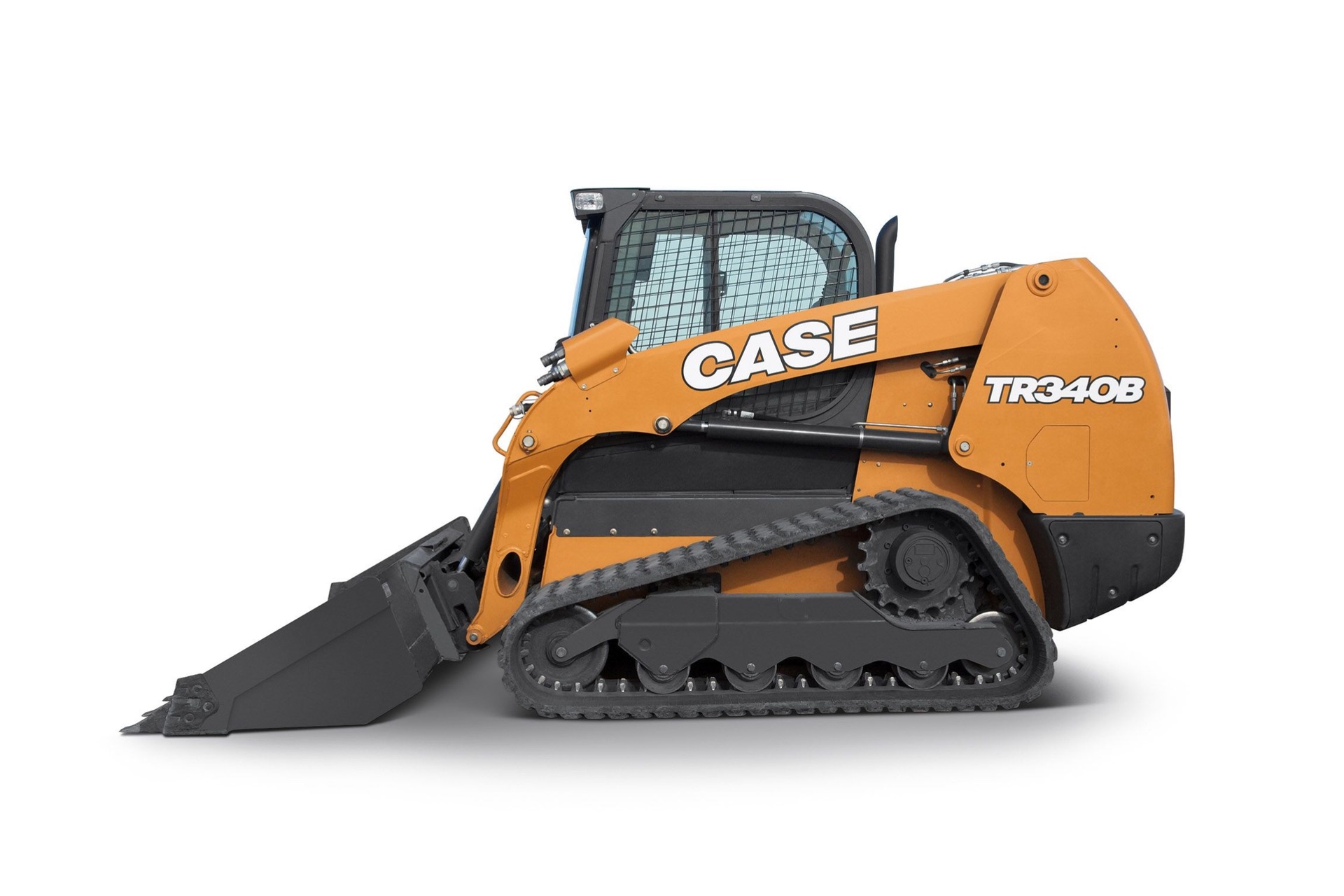
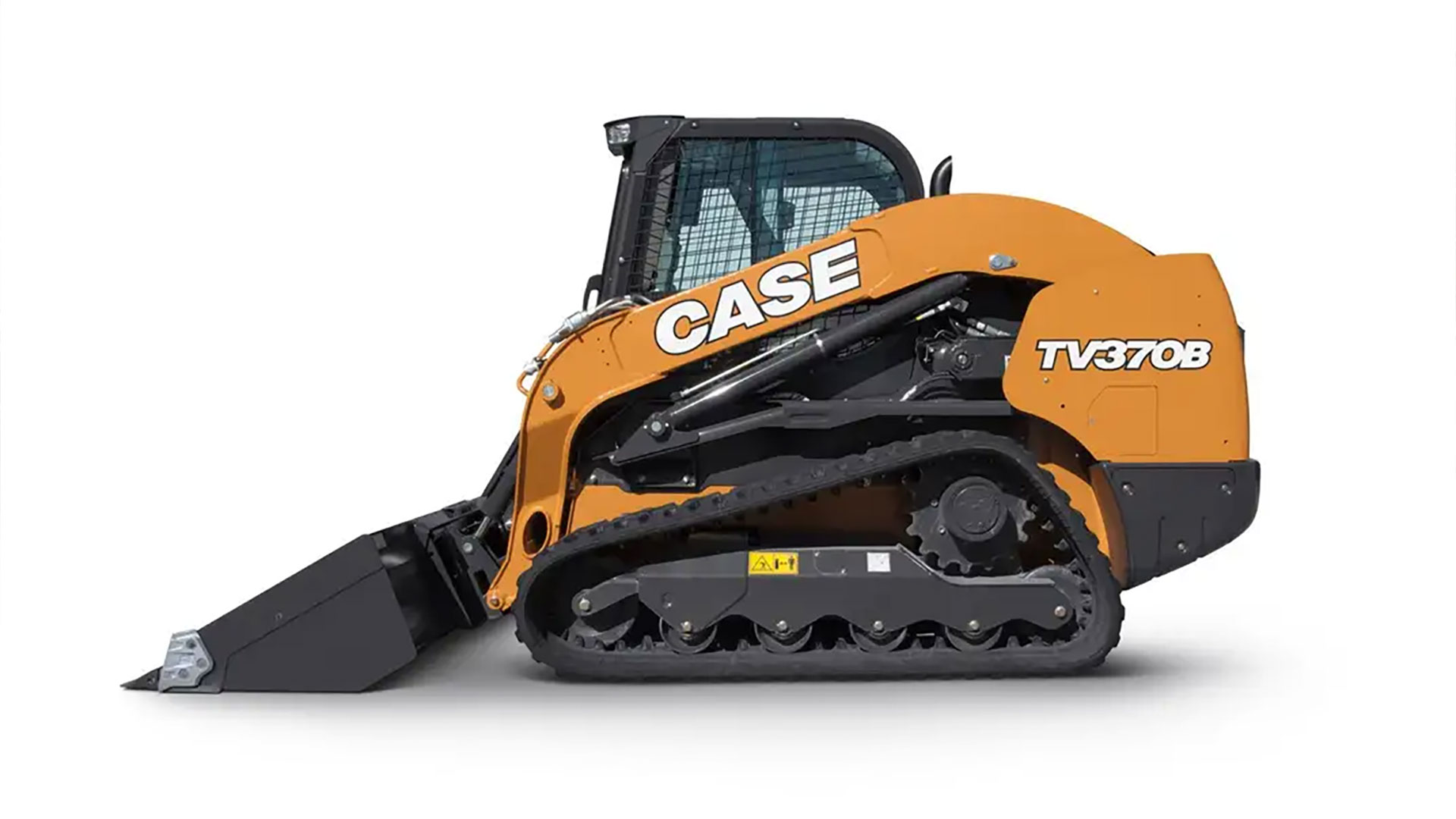
Quick take: The Case TR340B costs $10,000 less; the Case TV370B has a higher rated operating capacity (3,700 vs 3,400 lbs); the Case TR340B has more engine power (90 vs 74 hp).
| Spec | Case TR340B | Case TV370B |
|---|---|---|
| Price | $74,000 | $84,000 |
| Rating | 4.4★ (280) | 4.4★ (240) |
| Type | Compact Track Loader | Compact Track Loader |
| Lift Path | Radial Lift | Vertical Lift |
| ROC | 3400 lbs | 3700 lbs |
| Engine HP | 90 hp | 74 hp |
| Operating Weight | 10000 lbs | 9945 lbs |
| Tipping Load | 6800 lbs | 7400 lbs |
| Lift Height | 127 in | 131.6 in |
| Hydraulic Flow | 24.2 GPM | 24.2 GPM |
| Engine | FPT | FPT |
| Tracks | Yes | Yes |
| Vertical lift | No | Yes |
| High-flow | Yes | Yes |
| Enclosed cab | Yes | Yes |
| Two-speed | Yes | Yes |
| Self-leveling | Yes | Yes |
| A/C & heat | Yes | Yes |
| Warranty | 2 yr / 2000 hr | 2 yr / 2000 hr |
Pros & cons
Case TR340B
- ✓The TR340B is Case's most powerful radial CTL, and operators doing heavy dirt work praise its 8,700 lb bucket breakout force for digging and dozing.
- ✓The 3,400 lb rated capacity and 90 hp give it serious muscle for grading, backfilling, and moving heavy material efficiently.
- ✓Case cabs are roomy and comfortable with good visibility, and owners appreciate the low-effort EH controls over long days.
- ✓Case pricing undercuts equivalent Bobcat and Cat CTLs, so value-focused buyers feel they get big-frame capability for less money.
- ✓The 24.2 GPM standard flow (with high-flow available) handles a wide range of attachments without immediately needing the upgrade.
- ✓Owners report the FPT engine pulls strongly and the machine feels planted and stable when pushing heavy piles.
- ✗Radial lift limits dump height and reach at the top, so loading high-sided trucks is awkward compared to the vertical-lift TV450B.
- ✗Track and undercarriage costs are significant, and owners note replacement parts add up, especially on abrasive ground.
- ✗Some owners report electronic and sensor issues on FPT-engined machines that can be tricky to diagnose without a good dealer.
- ✗The attachment and used-implement ecosystem isn't as deep as Bobcat's, limiting options in certain markets.
- ✗Dealer support quality varies widely by region, and owners say the ownership experience depends heavily on the local dealer.
Case TV370B
- ✓The 74 hp FPT engine needs no DEF and no SCR system, so owners skip the fluid top-offs and dosing-system failures that plague higher-horsepower rivals.
- ✓A 3,700 lb rated capacity and 131.6-inch hinge pin let it load dump trucks and stack full pallets with ease - capacity that usually costs Cat 275 or Bobcat T86 money.
- ✓Torque is the story rather than horsepower - the FPT pulls hard into piles, and operators are consistently surprised how much machine 74 hp moves.
- ✓Case's cab is one of the widest in the industry, and the huge door opening and low entry make it a favorite among bigger operators who feel cramped in a Bobcat.
- ✓The one-piece welded lift arm design is stout, and long-term owners report the loader geometry stays tight where multi-piece arms develop slop.
- ✓The 8.0 mph two-speed travel and available ride control make long ground moves quick and keep material in the bucket over rough ground.
- ✗The 'operator not fully present' seat and armrest sensor faults are a known B-series annoyance that can lock the machine until sensors are cleaned or replaced.
- ✗At 74 hp pushing nearly 10,000 lbs, flow-hungry work like mulching feels underpowered next to 90-110 hp rivals even with the high-flow option.
- ✗Owners report electrical gremlins and display glitches on B-series machines, and software updates at the dealer are a recurring theme on the forums.
- ✗High-flow, ride control, and the performance cab package are all extra-cost options that push a well-equipped unit well past the attractive base price.
- ✗The rigid-mount undercarriage rides rough at speed compared to torsion-suspended machines like ASV and Cat's suspended designs.
- ✗The vertical-lift linkage limits mid-range reach compared to radial machines, so backfilling over walls takes more repositioning.