Cat 285 vs Case TV620B
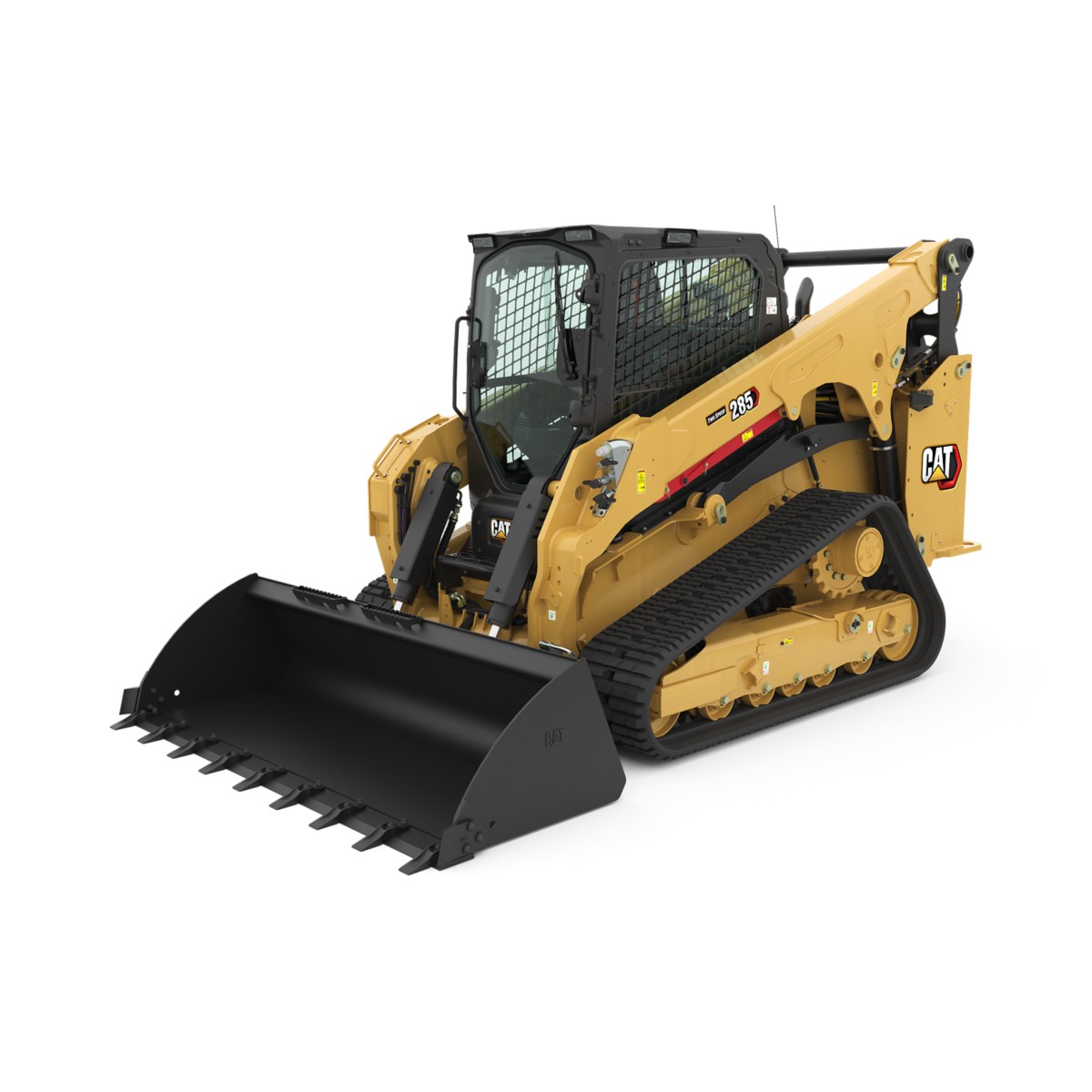
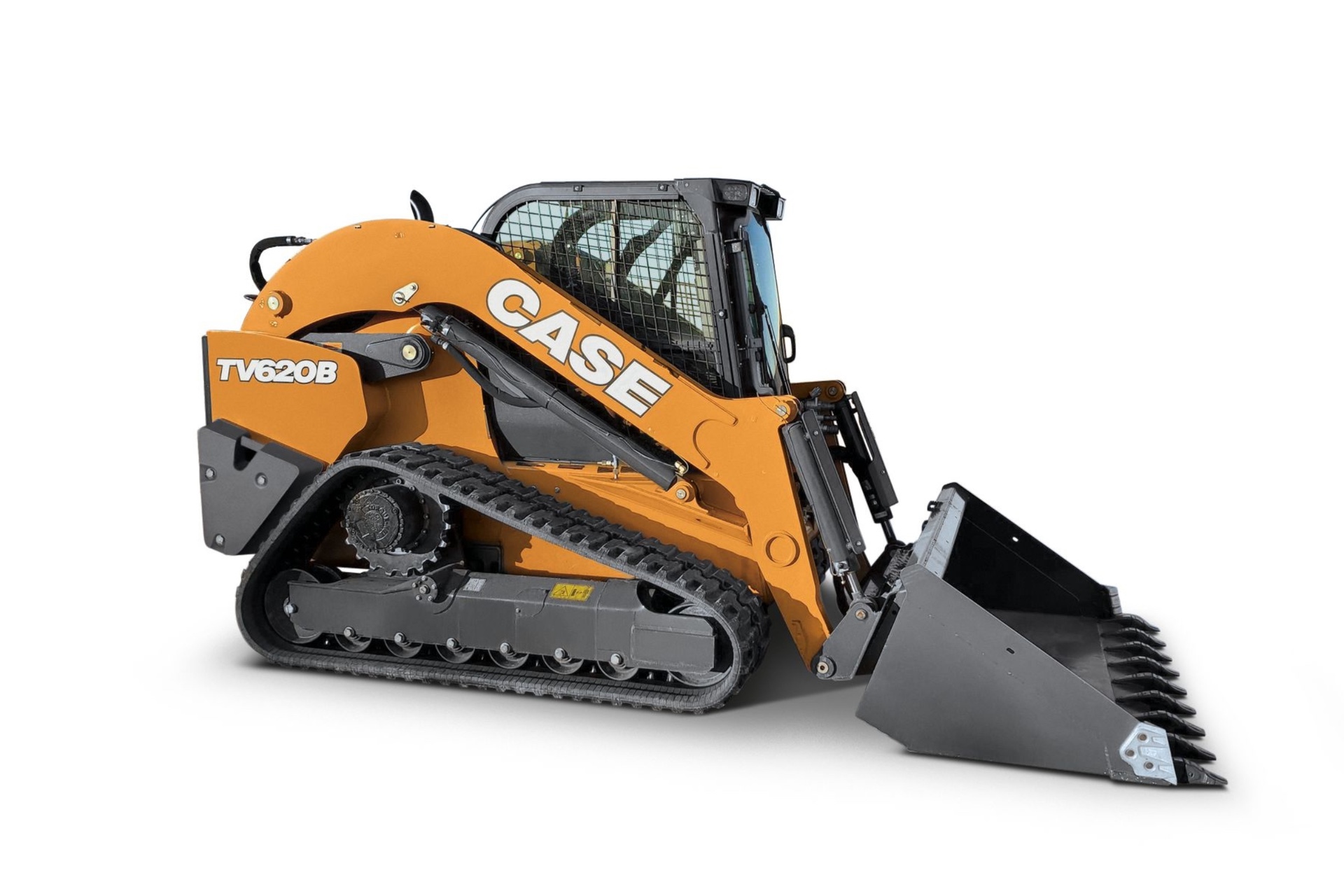
Quick take: The Cat 285 costs $3,000 less; the Case TV620B has a higher rated operating capacity (6,200 vs 4,461 lbs); the Case TV620B has more engine power (114 vs 111 hp).
| Spec | Cat 285 | Case TV620B |
|---|---|---|
| Price | $122,000 | $125,000 |
| Rating | 4.8★ (95) | 4.4★ (150) |
| Type | Compact Track Loader | Compact Track Loader |
| Lift Path | Vertical Lift | Vertical Lift |
| ROC | 4461 lbs | 6200 lbs |
| Engine HP | 111 hp | 114 hp |
| Operating Weight | 13497 lbs | 16300 lbs |
| Tipping Load | 12745 lbs | 12400 lbs |
| Lift Height | 147 in | 140.2 in |
| Hydraulic Flow | 23 GPM | 24.2 GPM |
| Engine | Cat C3.6TA | FPT |
| Tracks | Yes | Yes |
| Vertical lift | Yes | Yes |
| High-flow | Yes | Yes |
| Enclosed cab | Yes | Yes |
| Two-speed | Yes | Yes |
| Self-leveling | Yes | Yes |
| A/C & heat | Yes | Yes |
| Warranty | 1 yr / 1000 hr | 2 yr / 2000 hr |
Pros & cons
Cat 285
- ✓The 146.6-inch bucket pin height is in a class of its own - operators can load silage trucks, hoppers, and full-size dump trucks with sideboards that force every other CTL to build a ramp.
- ✓With a 12,745 lb tipping load and 4,461 lb ROC at the conservative 35% rating, it handles loaded pallets and grapple work that previously required a small wheel loader.
- ✓The 111 hp C3.6TA with High Flow XPS at 34 GPM runs the biggest mulching heads and cold planers at full production, and land-clearing outfits report it holds RPM where the 299D3 sagged.
- ✓Stability at full height is remarkable for a tracked loader - the long undercarriage and 13,497 lb operating weight mean craning heavy loads doesn't produce the pucker factor of smaller frames.
- ✓The pressurized one-piece cab, heated/ventilated air-ride seat, and 8-inch touchscreen make 10-hour days genuinely comfortable, which matters most on exactly this kind of production machine.
- ✓Smart Attachment recognition and dual-direction self-leveling take real skill requirements out of grading and material handling, letting newer operators be productive quickly.
- ✓It gives dozer-adjacent pushing power with a Smart Dozer Blade while still swapping to buckets, forks, and mulchers - one machine covering what used to take two rentals.
- ✓Cat sized it to compete directly with the Case TV620B, and early comparisons favor the 285's cab, controls, and dealer support network by a wide margin.
- ✗At well over $120k typically equipped, it costs as much as a used dozer or wheel loader, and buyers have to be honest about whether they need this much CTL.
- ✗The 13,497 lb operating weight plus attachment puts the transport package beyond a standard 14k trailer - many owners need a 20k+ trailer and CDL-class towing to move it legally.
- ✗The C3.6TA's Tier 4 Final aftertreatment means DEF, DPF regens, and sensor complexity - the running-cost simplicity of the 74 hp models is gone at this tier.
- ✗Ground disturbance and turf damage are real - despite tracks, this much weight tears up finished lawns and soft ground that a mid-frame machine would cross cleanly.
- ✗It's simply too big for tight residential work, backyard access, or interior demolition, so it only makes sense as a production machine with consistent heavy work.
- ✗Early-production units saw the same touchscreen and software teething problems as the rest of the next-gen line, with fixes arriving via dealer flash updates.
- ✗Undercarriage, track, and roller replacement costs on the largest frame are the highest in Cat's CTL line and need to be built into any ownership cost model.
- ✗Fuel consumption under high-flow load is heavy, and several owners note that at this size the operating economics start to favor a purpose-built machine for single-task work.
Case TV620B
- ✓The 6,200 lb rated capacity and 12,400 lb tipping load are the biggest numbers in the CTL industry - it lifts pallets of block that would flip a Cat 299D3 or Bobcat T86.
- ✓12,907 lbs of bucket breakout force and 339 lb-ft of torque let it doze and strip topsoil like a small crawler dozer, and owners routinely use it with a 6-way blade.
- ✓The 140.2-inch hinge pin height loads full-size dump trucks and even end-dumps with ease - clearance no other CTL matches.
- ✓The 41.6 GPM high-flow option through a 3/4-inch coupler feeds the hungriest mulching heads and cold planers without starving them.
- ✓Case fit the same wide, pressurized B-series cab with a huge door and 360-degree visibility, so the biggest CTL is also one of the most comfortable.
- ✓Owners doing forestry mulching and land clearing say it holds hydraulic power on slopes and in heat where smaller machines derate.
- ✓It undercuts the cost of buying a small dozer plus a large CTL, and contractors say one TV620B replaces two machines on many jobs.
- ✓The heavy-duty undercarriage and one-piece chassis are built for the weight, and early adopters report the structure shrugs off work that batters lighter frames.
- ✗At 16,300 lbs before attachments, hauling it requires a 20k+ trailer and a CDL - a logistical and licensing hurdle many buyers hit only after purchase.
- ✗Ground pressure of 6.1 psi is the highest in the B-Series, so despite the tracks it will rut soft lawns and wet ground worse than smaller CTLs.
- ✗The 114 hp engine uses SCR aftertreatment with DEF and a DOC, bringing back the emissions plumbing that Case's 74 hp models famously avoid.
- ✗Its sheer size defeats the point of a 'compact' loader on tight sites - it won't work between houses or through gates where mid-frames live.
- ✗The premium price puts it against small dozers and compact wheel loaders, and some buyers conclude a purpose-built machine serves them better.
- ✗Fuel burn is substantial under load, and owners report it drinks closer to a small excavator than a typical CTL.
- ✗Case's thinner dealer network is a bigger risk on a flagship machine - undercarriage and FPT parts delays idle a very expensive asset.
- ✗Tracks, rollers, and idlers for a 16,000 lb machine cost dramatically more to replace than standard CTL undercarriage parts.