Kubota SVL65-2 vs Wacker Neuson ST27
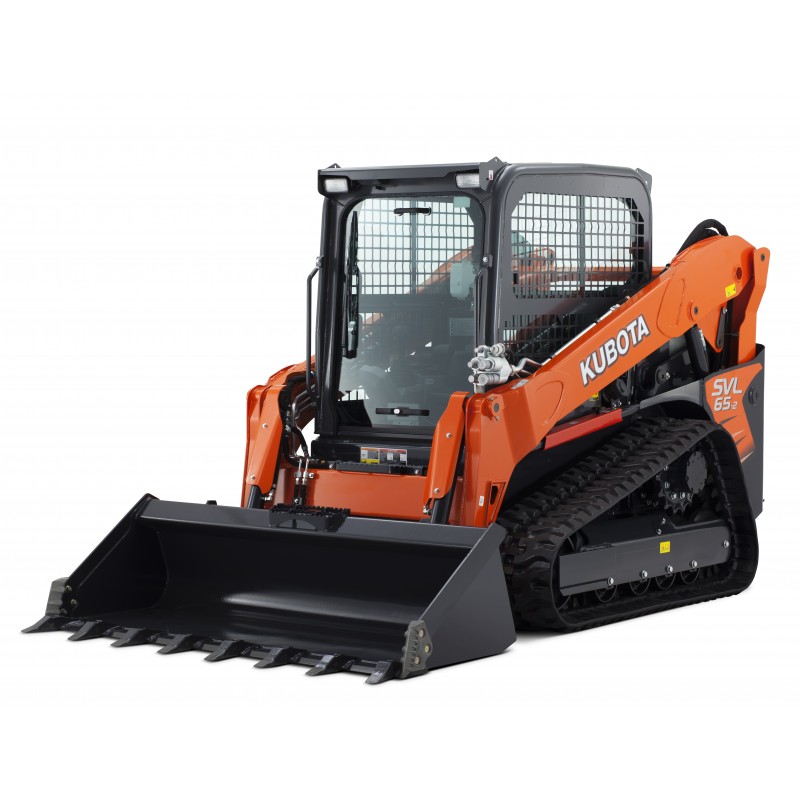
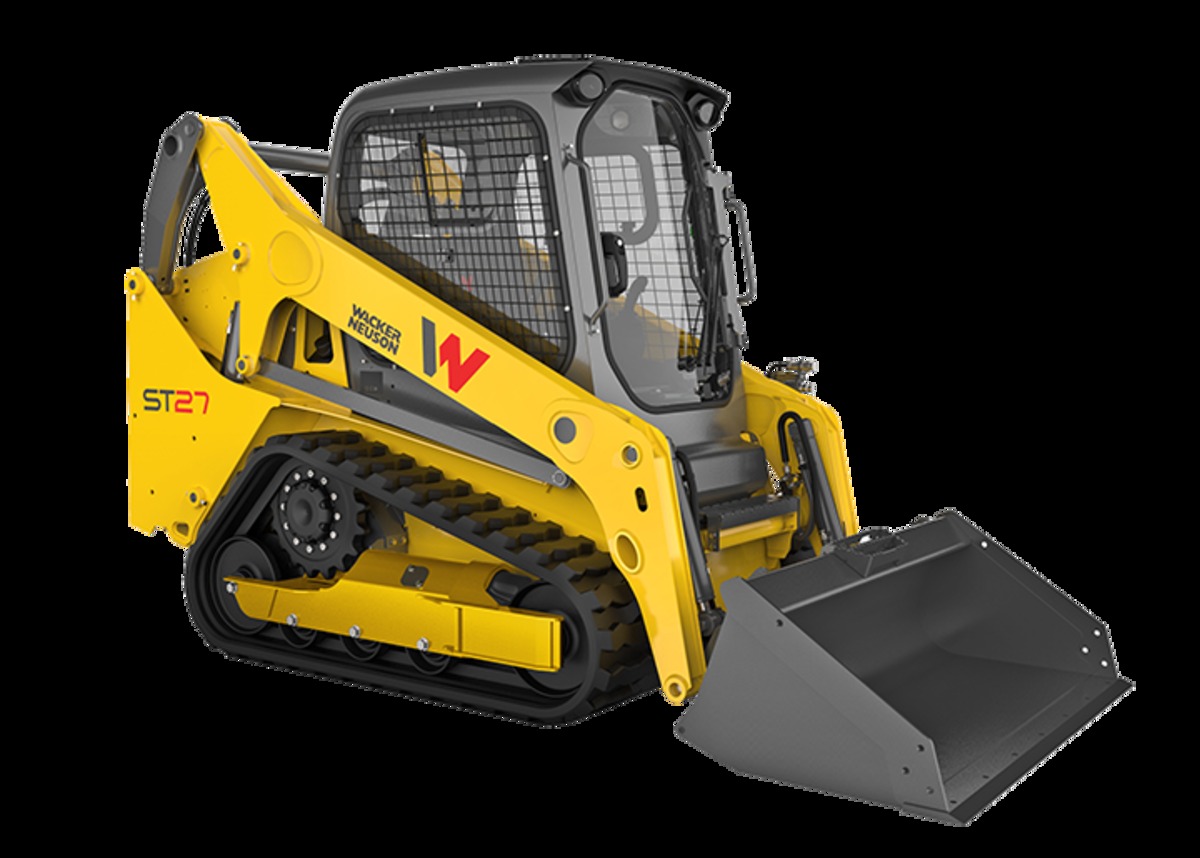
Quick take: The Wacker Neuson ST27 costs $1,000 less; the Wacker Neuson ST27 has a higher rated operating capacity (2,700 vs 2,100 lbs); the Wacker Neuson ST27 has more engine power (74 vs 68 hp).
| Spec | Kubota SVL65-2 | Wacker Neuson ST27 |
|---|---|---|
| Price | $56,000 | $55,000 |
| Rating | 4.5★ (380) | 4.2★ (55) |
| Type | Compact Track Loader | Compact Track Loader |
| Lift Path | Vertical Lift | Vertical Lift |
| ROC | 2100 lbs | 2700 lbs |
| Engine HP | 68 hp | 74 hp |
| Operating Weight | 8069 lbs | 7350 lbs |
| Tipping Load | 6000 lbs | 5400 lbs |
| Lift Height | 118 in | 120 in |
| Hydraulic Flow | 17.4 GPM | 19.4 GPM |
| Engine | Kubota V2607-CR-TE4 | Kohler KDI 2504 |
| Tracks | Yes | Yes |
| Vertical lift | Yes | Yes |
| High-flow | Yes | Yes |
| Enclosed cab | Yes | Yes |
| Two-speed | Yes | Yes |
| Self-leveling | Yes | Yes |
| A/C & heat | Yes | Yes |
| Warranty | 2 yr / 2000 hr | 2 yr / 2000 hr |
Pros & cons
Kubota SVL65-2
- ✓At around 8,000 lb the SVL65-2 tows comfortably behind a 3/4-ton pickup on a 10k trailer, which owner-operators call the single biggest reason they chose it over the SVL75.
- ✓Kubota builds its own V2607 engine, and owners report the same trouble-free reliability that made the bigger SVL75 the best-selling CTL in America.
- ✓Vertical lift with a 118.5-inch hinge-pin height is rare in this size class, so it loads dump trailers and stacks pallets that radial-lift competitors its size can't reach.
- ✓Self-leveling comes standard rather than as a paid option, which fork users appreciate when moving pallets on uneven ground.
- ✓The advanced multifunction valve runs aux hydraulics, boom, and bucket simultaneously without stalling, giving it smooth attachment manners for a small machine.
- ✓The 27 GPM high-flow option is generous for the size, letting it run power rakes and cold planers that surprise operators of a sub-70-hp machine.
- ✓Kubota's tractor dealer network means parts and service are available in nearly every rural county, a real advantage over thinner construction-only brands.
- ✓Resale is strong because small, clean SVLs are in constant demand from landscapers and homeowners, protecting the purchase price.
- ✗The 2,100 lb rated capacity runs out quickly with heavy attachments or wet material, and several owners admit they outgrew it and moved up to the SVL75 within a couple of seasons.
- ✗The 17.4 GPM standard flow is modest, so demanding attachments really want the high-flow model, which adds cost.
- ✗The sliding front door, while convenient, draws mixed reviews for seal durability and dust intrusion over time.
- ✗The DPF emissions system requires regen cycles that draw complaints during light-duty idling, common to the whole class.
- ✗Cab space is tighter than the SVL75-3, and larger operators find the smaller frame noticeably snugger over a full day.
- ✗The attachment ecosystem is smaller than Bobcat's, so sourcing used implements locally can take more hunting in some markets.
- ✗Ride quality over rough ground trails suspended-undercarriage competitors since the rigid undercarriage transmits more bumps at speed.
- ✗Kubota dealer inventory for the smaller SVL can be thin during spring demand, and buyers report waiting for popular configurations.
Wacker Neuson ST27
- ✓The 74 hp Kohler KDI engine meets Tier 4 Final with no DPF and no DEF, so there are no regen cycles, no soot filters, and no exhaust-fluid runs - a genuine simplicity win.
- ✓Kohler backs that engine with a 4-year/4,000-hour warranty on top of the 2-year/2,000-hour machine warranty, among the best powertrain coverage in the class.
- ✓The uni-body frame introduced on this machine is stiffer than bolted-together designs and opens up big service access panels.
- ✓Vertical lift with a 10-foot hinge pin height is unusual in a 7,350 lb machine, letting a small frame load full-size trucks.
- ✓It's a full 74 hp in a small package, so it out-muscles the 60-something-hp machines it competes against on price.
- ✓Standard 19.4 gpm auxiliary flow with a 29 gpm high-flow option covers most attachments a small frame will realistically run.
- ✓Wisconsin-based design and assembly means domestic parts sourcing rather than waiting on overseas shipments.
- ✓Street prices consistently undercut Bobcat and Cat equivalents, which is how Wacker Neuson wins deals.
- ✗Wacker Neuson's compact-equipment dealer network in the US is thin and uneven, the single biggest hesitation buyers report.
- ✗Resale values trail the major brands because the used market simply knows them less.
- ✗The uni-body generation only dates to 2023, so long-term durability data on the new frame design is limited.
- ✗Rental-fleet presence is small, so it's hard to try-before-you-buy in many markets.
- ✗The cab, while comfortable, is a step behind the pressurized premium cabs from Cat and Case on noise and sealing.
- ✗Attachment brand ecosystem and smart-attachment integration lag the majors - this is a straightforward machine, not a tech showcase.
- ✗5.5 psi ground pressure is fine but not class-leading; wide-track flotation options are limited on the small frame.
- ✗Dealer scarcity also means fewer trained techs, so complex warranty repairs can involve long waits or travel charges.