Head to head
Wacker Neuson ST27 against Wacker Neuson ST31
The Wacker Neuson ST31 saves $2,000; the Wacker Neuson ST31 carries 280 lb more once both are rated the same way; the Wacker Neuson ST31 moves 0.4 GPM more through the auxiliary circuit.
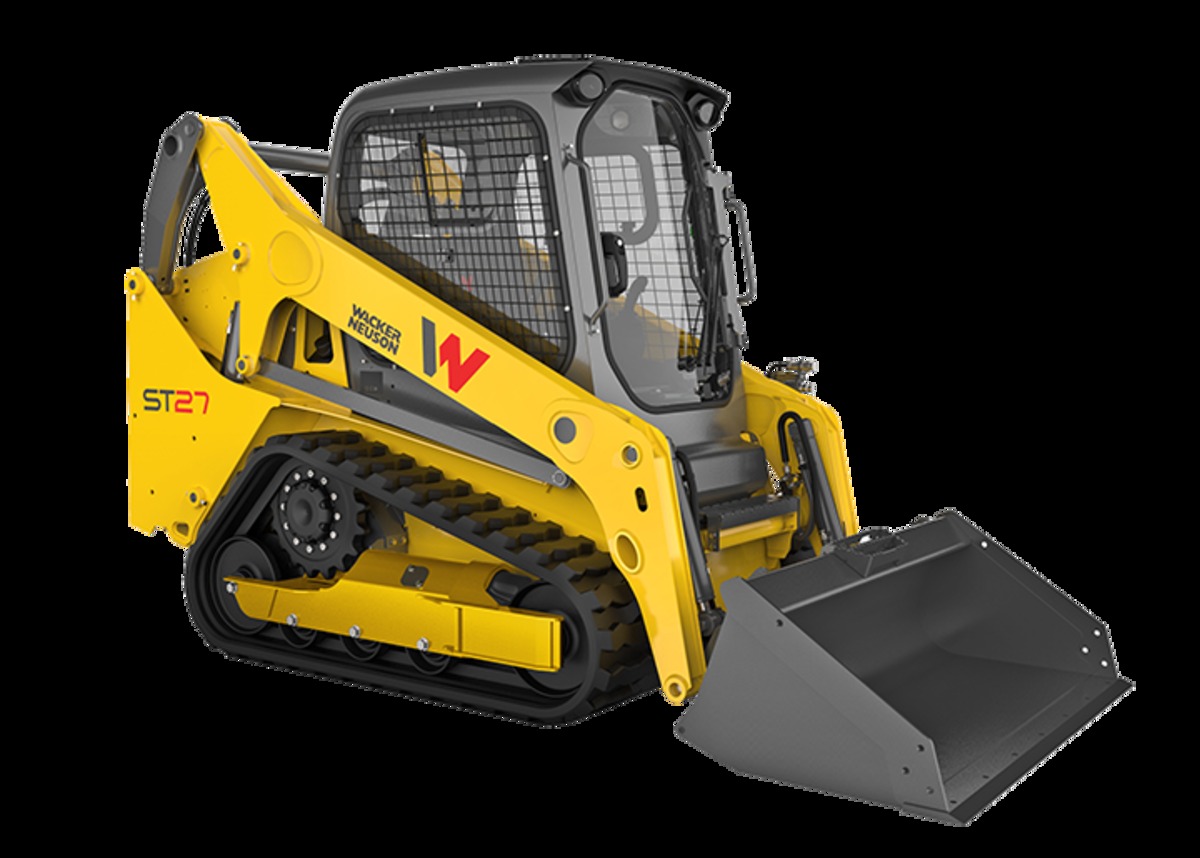
vs
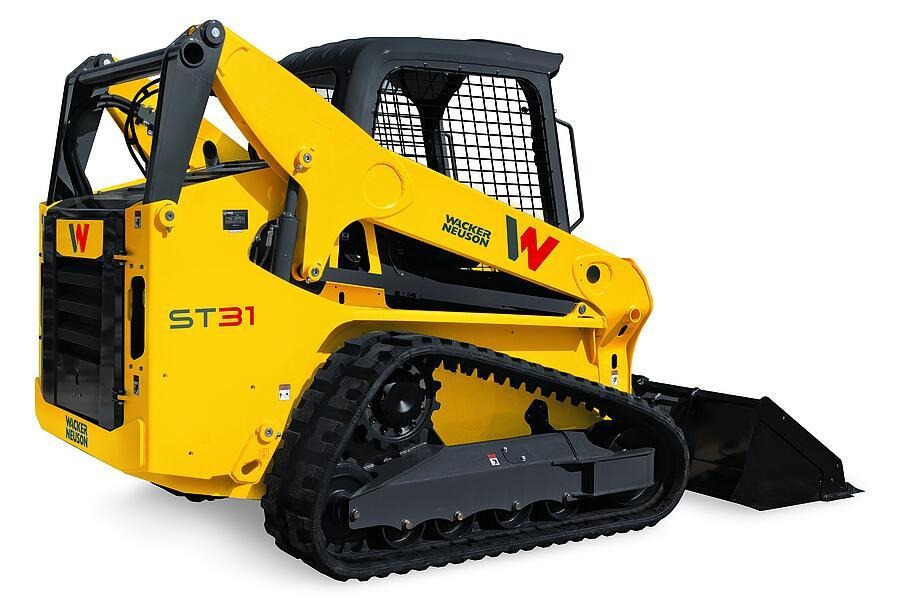
| Spec | Wacker Neuson ST27 | Wacker Neuson ST31 |
|---|---|---|
| Price | $69,000 | $67,000 |
| Rated capacity, as advertised | 2,700 lbs | 3,100 lbs |
| Rated at | 50% of tipping load | 50% of tipping load |
| Tipping load | 5,401.3 lbs | 6,199.4 lbs |
| Capacity at its class convention | 1,890 lbs | 2,170 lbs |
| Engine power | 74 hp | 74 hp |
| Engine | Kohler KDI 2,504 | Kohler KDI 2,504 |
| Auxiliary flow | 19.4 GPM | 19.8 GPM |
| Lift height | 120 in | 128 in |
| Operating weight | 7,350 lbs | 8,241 lbs |
| Lift path | Vertical Lift | Vertical Lift |
| Rubber tracks | Yes | Yes |
| High flow available | Yes | Yes |
| Enclosed cab available | Yes | Yes |
| Two-speed travel available | Yes | Yes |
| Self-levelling available | Yes | Yes |
| A/C and heat available | Yes | Yes |
| Warranty | 2 yr / 2,000 hr | 2 yr / 2,000 hr |
What owners say about each
Wacker Neuson ST27
- The 74 hp Kohler KDI engine meets Tier 4 Final with no DPF and no DEF, so there are no regen cycles, no soot filters, and no exhaust-fluid runs - a genuine simplicity win.
- Kohler backs that engine with a 4-year/4,000-hour warranty on top of the 2-year/2,000-hour machine warranty, among the best powertrain coverage in the class.
- Vertical lift with a 10-foot hinge pin height is unusual in a 7,350 lb machine, letting a small frame load full-size trucks.
- It's a full 74 hp in a small package, so it out-muscles the 60-something-hp machines it competes against on price.
- Standard 19.4 gpm auxiliary flow with a 29 gpm high-flow option covers most attachments a small frame will realistically run.
- Wacker Neuson's compact-equipment dealer network in the US is thin and uneven, the single biggest hesitation buyers report.
- The uni-body generation only dates to 2023, so long-term durability data on the new frame design is limited.
- Rental-fleet presence is small, so it's hard to try-before-you-buy in many markets.
- The cab, while comfortable, is a step behind the pressurized premium cabs from Cat and Case on noise and sealing.
- Attachment brand ecosystem and smart-attachment integration lag the majors - this is a straightforward machine, not a tech showcase.
- 5.5 psi ground pressure is fine but not class-leading; wide-track flotation options are limited on the small frame.
- Dealer scarcity also means fewer trained techs, so complex warranty repairs can involve long waits or travel charges.
Wacker Neuson ST31
- No DPF and no DEF on the 74 hp Kohler KDI means zero regen downtime - owners coming from regen-plagued machines call this the main reason they bought it.
- The 4-year/4,000-hour Kohler engine warranty plus 2-year/2,000-hour machine coverage is about the strongest paper protection in the segment.
- The 2024 uni-body redesign stiffened the frame and improved service access dramatically, with a tilting cab and large rear door.
- A 3,100 lb rated capacity and 6,200 lb tipping load put it squarely in the heart of the mid-frame class where most buyers shop.
- Vertical lift and a 128-inch hinge pin height load dump trucks cleanly for a machine this size.
- Designed and assembled in Wisconsin, with the engineering focus on mechanical simplicity over electronic complexity.
- The thin US dealer network remains the biggest knock - great machine, but support depends heavily on your zip code.
- Resale lags Bobcat, Cat, and Kubota noticeably, so total cost of ownership math needs honest trade-in assumptions.
- Standard 20.1 gpm aux flow is average, and the 30.1 gpm high-flow option tops out below what dedicated mulching outfits want.
- Limited factory tech options - no grade control, camera packages are basic, and telematics is less developed than the majors.
- Parts are domestically sourced but stocked in fewer depots, so less-common components can take days to arrive.