Bobcat S76-2 vs Bobcat T66-2
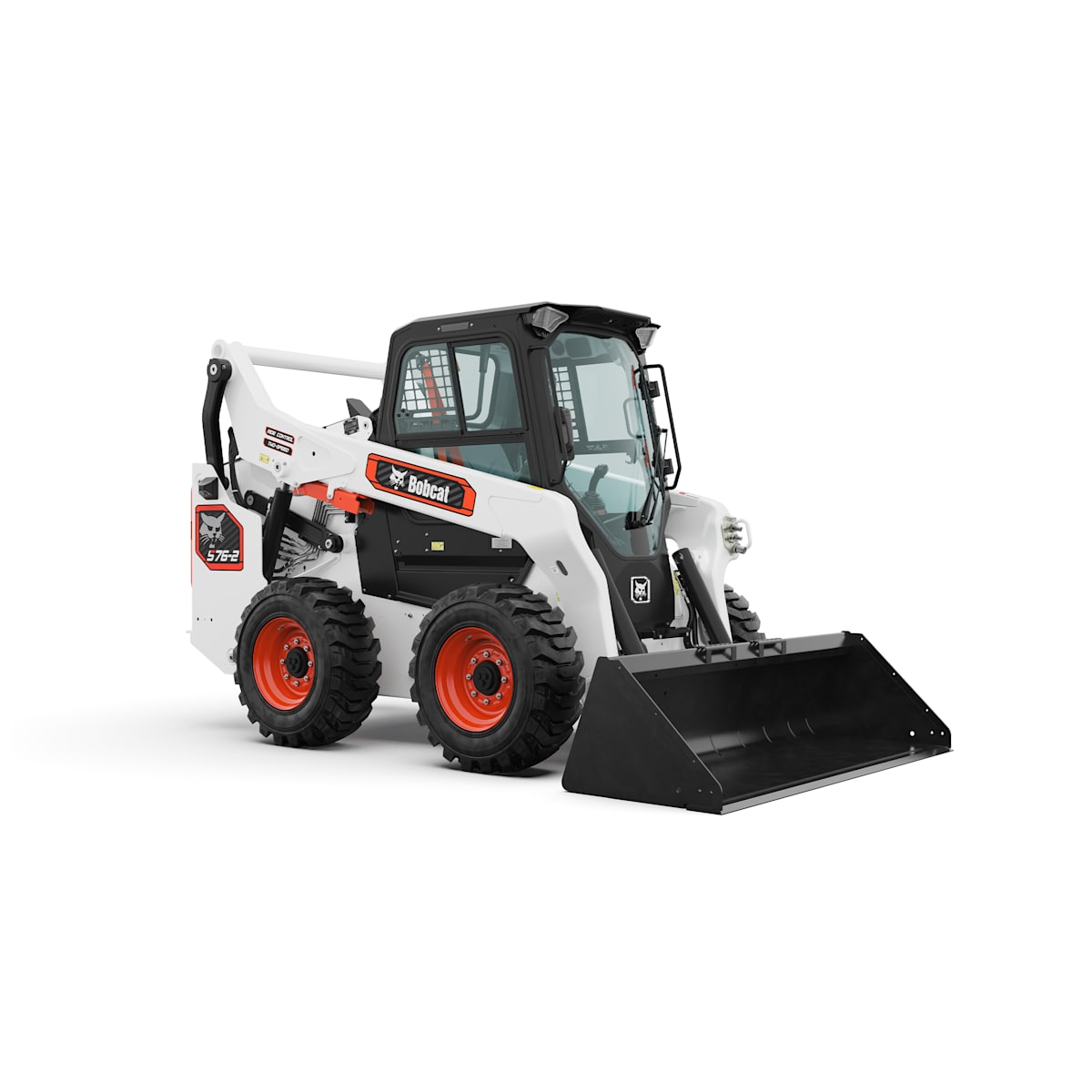
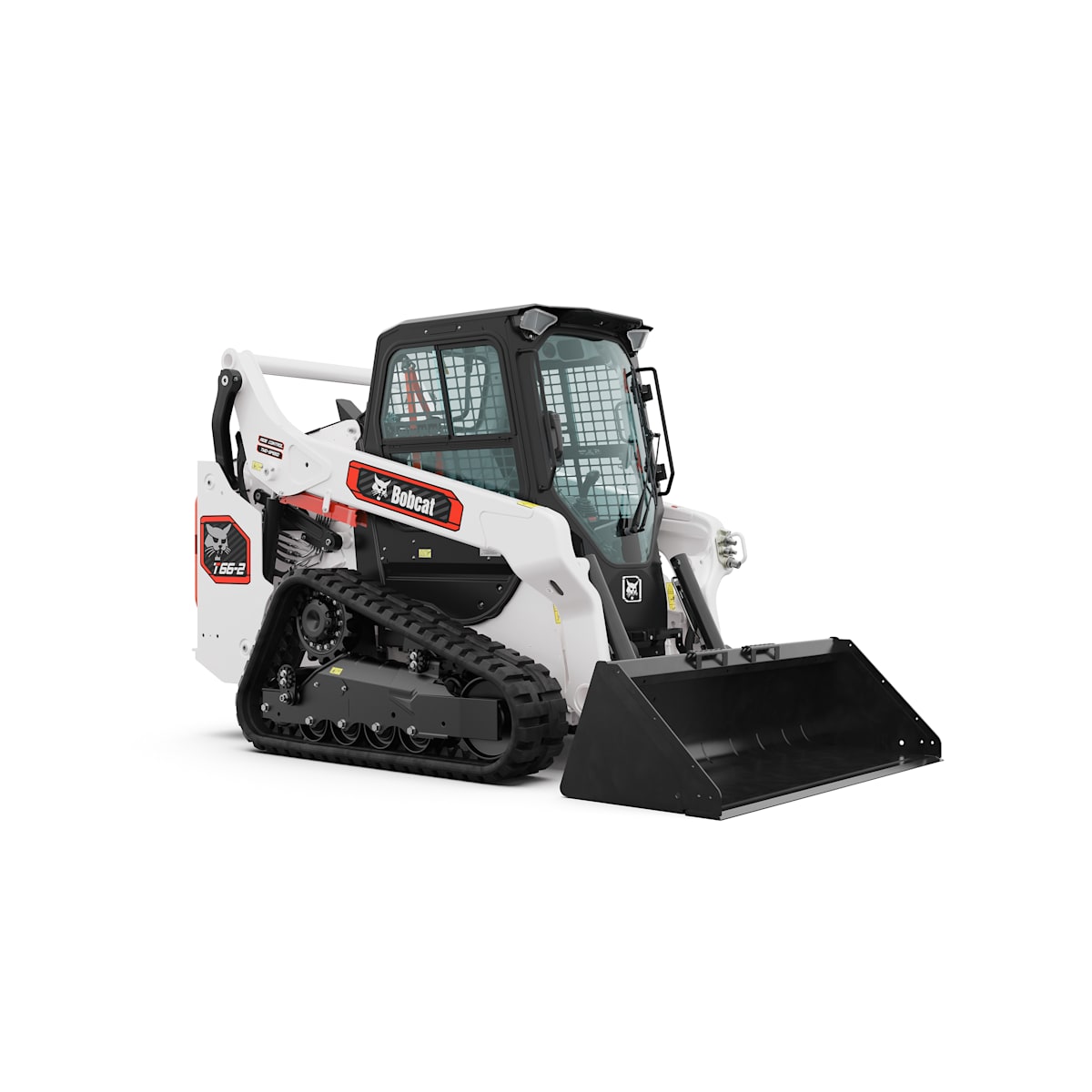
Quick take: The Bobcat S76-2 costs $5,000 less; the Bobcat S76-2 has a higher rated operating capacity (2,900 vs 2,450 lbs).
| Spec | Bobcat S76-2 | Bobcat T66-2 |
|---|---|---|
| Price | $74,000 | $79,000 |
| Rating | 4.7★ (55) | 4.6★ (70) |
| Type | Wheeled Skid Steer | Compact Track Loader |
| Lift Path | Vertical Lift | Vertical Lift |
| ROC | 2900 lbs | 2450 lbs |
| Engine HP | 74 hp | 74 hp |
| Operating Weight | 8615 lbs | 8927 lbs |
| Tipping Load | 5800 lbs | 6857 lbs |
| Lift Height | 128.3 in | 120 in |
| Hydraulic Flow | 23.3 GPM | 17.6 GPM |
| Engine | Bobcat (Doosan) D24 | Bobcat (Doosan) D24 |
| Tracks | No | Yes |
| Vertical lift | Yes | Yes |
| High-flow | Yes | Yes |
| Enclosed cab | Yes | Yes |
| Two-speed | Yes | Yes |
| Self-leveling | Yes | Yes |
| A/C & heat | Yes | Yes |
| Warranty | 2 yr / 2000 hr | 2 yr / 2000 hr |
Pros & cons
Bobcat S76-2
- ✓The 128.3-inch hinge pin height and vertical lift path remain the platform's calling card - operators consistently say it clears the sides of full-size dump trucks that shorter mid-frames struggle with.
- ✓The strong 23.3 GPM standard auxiliary flow runs many attachments that force competitors into high-flow packages, and the optional 30.3 GPM high flow handles planers and blowers with headroom to spare.
- ✓The DEF-free 74 hp D24 turbo-diesel carries over unchanged, so there's no exhaust fluid to manage and parts commonality with the massive R-Series fleet keeps service familiar.
- ✓The new 8-inch glove-friendly touchscreen with 20 operator profiles, split-screen camera views, and Machine IQ telematics modernizes the cab to match Cat's next-generation loaders.
- ✓Four drive modes with precision drive software let operators soften the machine for pallet work or sharpen it for aggressive digging, a flexibility the one-personality S76 never had.
- ✗Starting price near $75k - and well past $80k with high flow and Sense options - puts it uncomfortably close to compact track loader money, and plenty of buyers at that price just move to tracks.
- ✗First-model-year electronics are unproven; early adopters are effectively field-testing the new electrical architecture, touchscreen software, and sensor suite.
- ✗Power is unchanged at 74 hp for emissions reasons, so despite the big frame, high-production mulching and cold planing still favor the 100+ hp S86 class.
- ✗The electronics-dense platform increasingly requires dealer diagnostic tools, eroding the wrench-it-yourself appeal that long-time Bobcat owners value.
- ✗At 8,615 lbs it needs a properly rated trailer and tow rig, and the large frame gives up the tight-site maneuverability that draws buyers to the S66 frame.
- ✗Resale for the brand-new -2 generation is unproven, and clean used R-Series S76 machines on dealer lots undercut it by five figures.
- ✗Wheeled machines this heavy rut soft ground badly, and owners doing turf or wet-site work admit they end up renting tracks anyway - the T76-2 costs more but does more.
Bobcat T66-2
- ✓The T66 was already Bobcat's bread-and-butter CTL, and the -2 keeps everything owners liked - the 2,450 lb vertical-lift platform and DEF-free 74 hp D24 - while fixing the electrical harness issues that were the R-Series' biggest gripe.
- ✓The new 8-inch glove-friendly touchscreen supports 20 operator profiles and split-screen camera views, so mixed crews can each store their own joystick response and drive-mode preferences.
- ✓Four drive modes (Balanced, Agile, Dynamic and Charged) with precision drive software genuinely change the machine's character, letting the same loader do delicate finish grading in the morning and aggressive dirt work in the afternoon.
- ✓Optional Bobcat Sense camera- and radar-based detection can automatically stop the machine when it detects a person or obstacle behind it, a real differentiator for utility and municipal fleets with strict safety requirements.
- ✓Machine IQ telematics come standard with basics coverage, giving owners fault codes, location, and hours from a phone - handy for fleets that used to pay extra for third-party trackers.
- ✗Dealer pricing starts around $80k before high-flow or Sense options, a meaningful jump over outgoing T66 stock that has budget-minded buyers hunting R-Series leftovers instead.
- ✗It's a first-model-year machine that only hit dealers in summer 2026, so the new electrical architecture and touchscreen software are unproven in the field.
- ✗Power and hydraulics are unchanged - 74 hp and 17.6 GPM standard - so anyone hoping the new generation would close the gap with Kubota's SVL75-3 on grunt will be disappointed.
- ✗The added sensors, cameras, and software-defined drive modes mean more systems that require dealer diagnostics, chipping away at Bobcat's owner-serviceable reputation.
- ✗Running mulchers, planers, or snow blowers still requires the extra-cost 26.9 GPM high-flow option because the standard flow is modest for the class.
- ✗The 6,857 lb tipping load with torsion undercarriage trails heavier competitors like the Cat 265, so operators handling max-weight pallets at full reach need to mind stability.