Bobcat
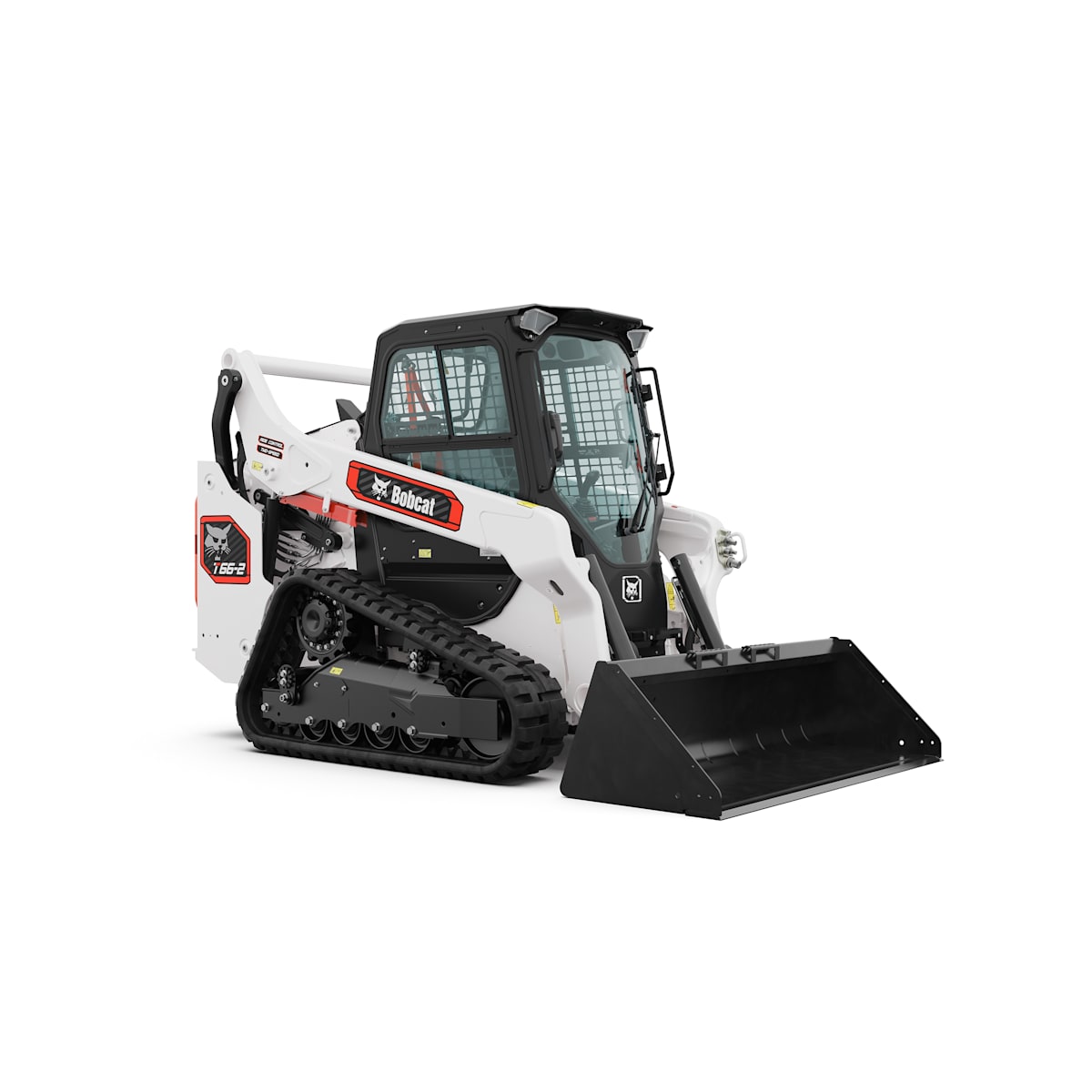
Bobcat T66-2
The bright segment is what Bobcat T66-2 is rated to carry; the grey run past it is the rest of its tipping load. Bar length is tipping load drawn to the same scale on every machine on the site, so a short bar is a smaller machine and not a conservative rating.
One caveat on this machine: we could not find a published tipping load for it, so the figure above is its advertised capacity divided by the fraction its maker rates at. That makes the grey run arithmetic rather than a measurement, and it is the number worth asking a dealer to confirm.
Bobcat's best-selling mid-frame compact track loader entered its second generation at ConExpo 2026. The T66-2 carries over the 74 hp D24 engine and 2,450 lb vertical-lift platform while adding a redesigned electrical system, an 8-inch touchscreen with infotainment, four drive modes, Machine IQ telematics, and available Bobcat Sense object detection.
Suits: Bobcat's most popular mid-frame CTL, now with next-generation cab tech and reliability fixes Its vertical lift path reaches highest at full extension, for loading high-sided trucks and stacking.
Lifting and reach
- Rated operating capacityTrack loader rating convention
- 2,400 lbs
- Tipping loadDerived from the advertised capacity, not published
- 6,857 lbs
- Lift height to hinge pin
- 120 in
- Lift path
- Vertical Lift
- Operating weight
- 8,560 lbs
Power and hydraulics
- Engine power
- 74 hp
- Engine
- Bobcat (Doosan) D24
- Auxiliary flowStandard circuit
- 17.6 GPM
- Flow type
- Standard
- Warranty
- 2 yr / 2,000 hr
Fitted or available
What this machine can be ordered with. Some of these are standard and some cost extra, and which is which moves between trim levels, so check them against the quote rather than against this list.
What owners report
Summarised from the sources listed below. Nothing here was tested by us.
Bread-and-butter is the honest description here: this is the size and configuration most contractors actually buy, and the -2 revision is a reliability and cab exercise rather than a performance one. The driveline is carried over unchanged, which is deliberate - the 74 hp engine needs no diesel particulate filter, parts commonality with the enormous previous-generation fleet is intact, and the money went into the electrical system and the operator station instead.
That choice reads directly off the previous machine's complaint list. Owners of the outgoing T66 report electrical faults as the leading frustration - constant beeping with warning lights latched on and the machine refusing to start until the battery was disconnected, and displays that would not wake with the machine shutting itself down. Relocated controllers and protected harness routing are aimed squarely at that. What the revision does not appear to address is the hydraulic slop operators describe in bucket tilt, where the cylinder allows noticeable play before it goes rigid. Against that, the people who run these machines hard are genuinely positive: ranchers and fencing crews describe depending on one almost as much as their truck, through heat and rock, with smooth joystick control and better visibility past the redesigned cast-steel loader arms.
Support anywhere from a dealer network, and no need for more than 74 hp: that contractor is the right buyer. At roughly $79,000 it is not cheap, and the 17.6 GPM standard circuit means the attachment-heavy buyer is really shopping the high-flow build at a higher number still. Before signing, price the high-flow option into the deal rather than adding it later, decide whether the detection systems are a safety requirement or a nice-to-have, and if the budget is tight, look hard at what the dealer will do on remaining previous-generation stock - the hardware underneath is largely the same.
What owners like
- The outgoing T66 was Bobcat's volume track loader, and the -2 keeps the parts owners liked - 74 hp DPF-free driveline, vertical lift, 2,400 lb rated off a 6,857 lb tipping load - while rebuilding the part they complained about.
- The redesigned electrical system relocates controllers and routes the harness in protected paths, which is a direct answer to the no-start, constant-beeping and dead-display faults owners of the previous machine describe.
- Four selectable drive modes with the new precision-drive software genuinely change the machine's manners, so delicate finish grading in the morning and aggressive loading after lunch do not require two different loaders.
- The 8-inch touchscreen holds up to 20 operator profiles, which matters more on a crew machine than it sounds - joystick response and drive mode come back with whoever climbs in.
- Active noise cancelling and an optional heated air-ride seat make an all-day machine meaningfully less punishing than the cab it replaces.
- Optional radar-based rear object detection can slow or stop the machine on its own, and a separate camera-based 360 system flags people around it, which is worth real money to municipal and utility fleets working to written safety rules.
What owners complain about
- Around $79,000 published before high-flow or any detection option, which is enough of a jump over discounted previous-generation stock that budget-minded buyers are shopping the old machine instead.
- Neither power nor hydraulics moved: still 74 hp and 17.6 GPM standard, and 17.6 GPM is modest for the class, so mulchers, cold planers and large snow blowers still require the extra-cost high-flow circuit.
- It reached select North American dealers only in summer 2026, so the new electrical architecture and touchscreen software are themselves unproven - a redesign aimed at reliability still has to demonstrate it.
- Bucket-tilt slop is a specific and repeated complaint on the previous machine, with operators describing several inches of play before the cylinder goes solid when tilt was not the preceding hydraulic action, and nothing announced for the -2 addresses the cylinders or the control valve.
- More sensors, cameras and software-defined behaviour means more that needs a dealer laptop to diagnose, which cuts against the owner-serviceable reputation these machines were bought for in the first place.
- Track loader capacity is quoted at 35 percent of tipping load while wheeled machines use 50 percent, so this machine's 2,400 lb is a more conservative number than an S650's 2,690 lb - a comparison that trips up buyers cross-shopping wheels and tracks on the brochure figures.
Drawn from disenparts.com, equipmentjournal.com, compactequip.com, heavyequipmentguide.ca.
What buyers ask
What actually changed between the T66 and the T66-2?
Is 17.6 GPM enough, or do I need the high-flow option?
Should I worry about buying a first-model-year machine?
Can the detection systems actually stop the machine?
How does the T66-2's rated capacity compare to a wheeled Bobcat?
What should I check on a used previous-generation T66 instead?
Put the Bobcat T66-2 against
Machines in the same range
The rest of the Bobcat line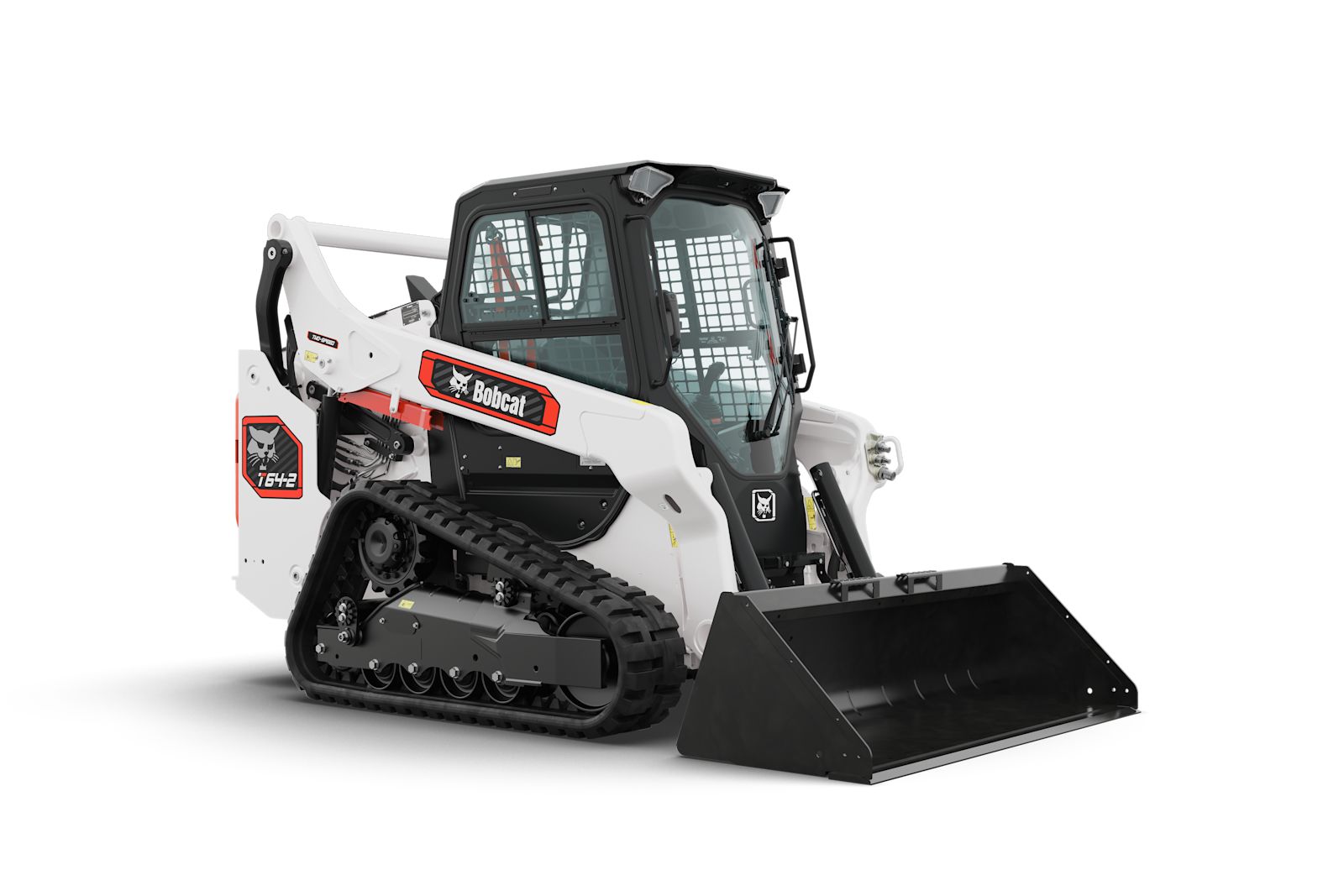
Bobcat
Bobcat T64-2
$74,735
- Engine
- 68 hp
- Aux flow
- 17.6 GPM
- Weight
- 8,440 lbs
Smallest of Bobcat's Pro track loaders, with 68 hp, 2,300 lb of rated capacity on the solid undercarriage and the full Pro cab and control package. It is for operators who want the -2 platform's tech in the lightest tracked frame it comes in.
Full sheet & owner reports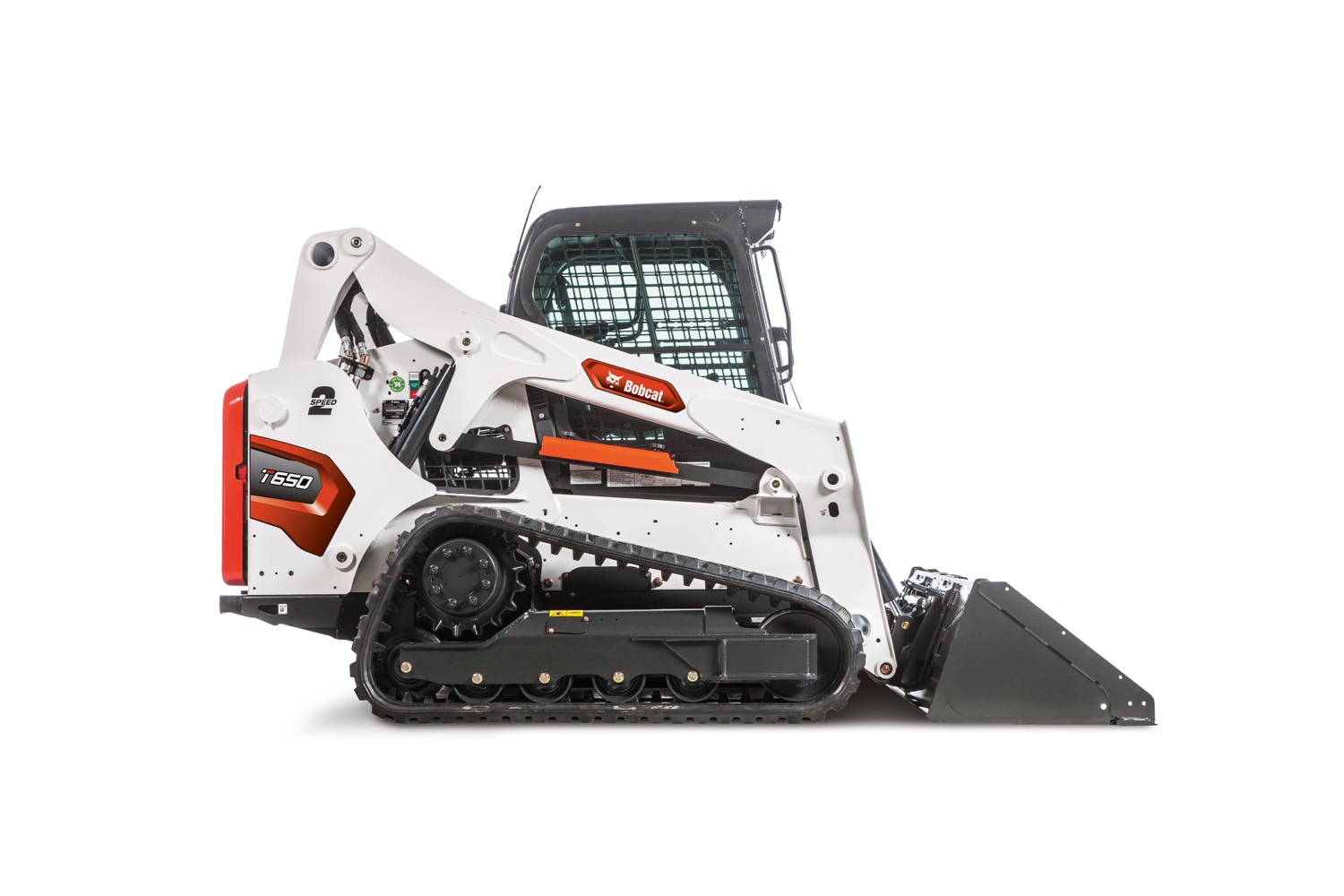
Bobcat
Bobcat T650
$74,564
- Engine
- 74 hp
- Aux flow
- 23 GPM
- Weight
- 8,980 lbs
For over a decade the T650 anchored Bobcat's M-Series, and this mid-frame vertical-lift compact track loader now sells as a value-priced Classic model. With a 74 hp non-DPF diesel and 2,500 lb rated capacity, it's one of the most common CTLs on American jobsites and in rental fleets.
Full sheet & owner reports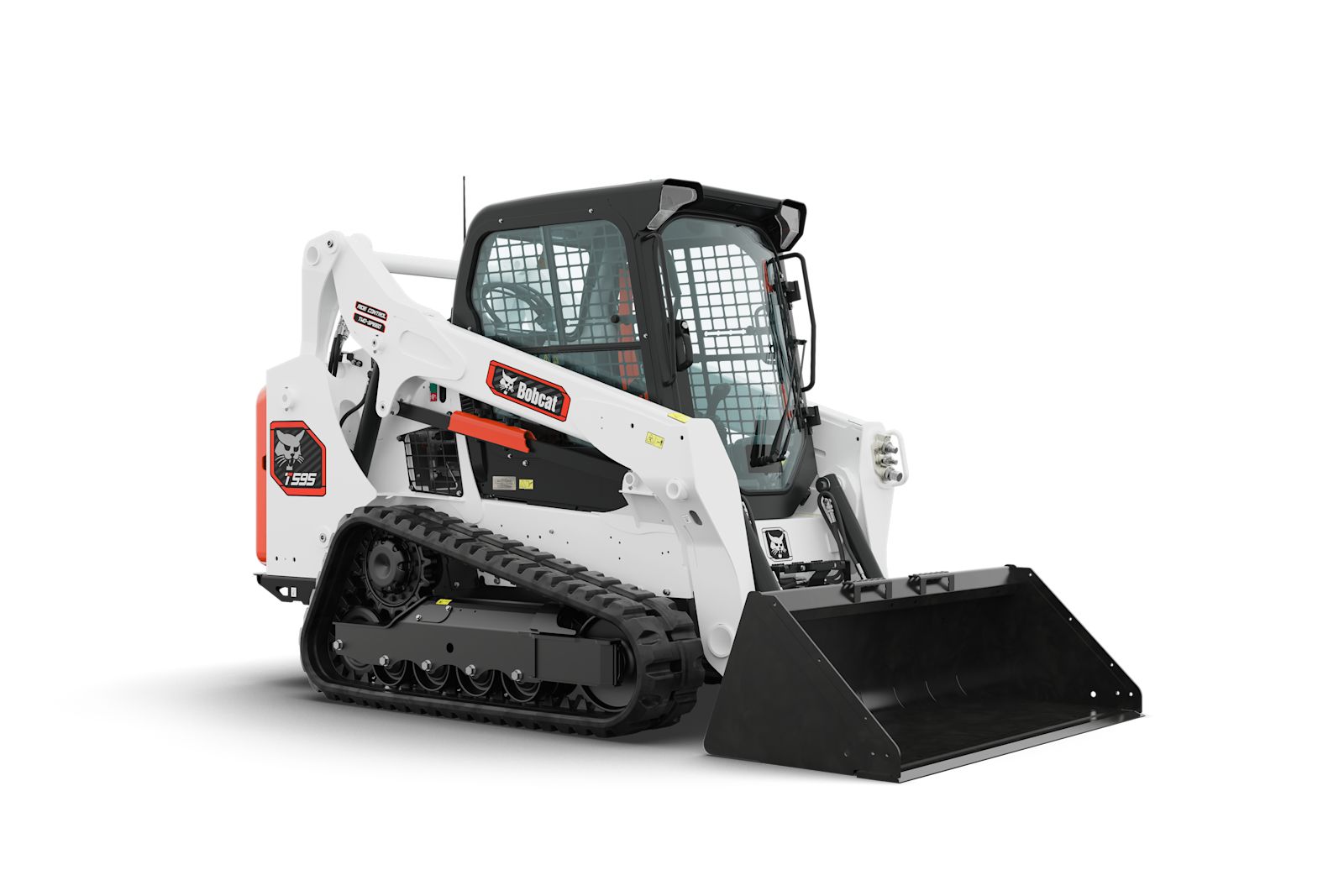
Bobcat
Bobcat T595
$66,528
- Engine
- 70 hp
- Aux flow
- 17.1 GPM
- Weight
- 7,906 lbs
A 70 hp vertical-lift track loader that fills the gap between the small T450 and the 74 hp T650 in Bobcat's Classic line. It is aimed at landscapers who need track flotation and vertical lift but do not want 650-frame weight or price.
Full sheet & owner reports