Bobcat T66-2 vs Takeuchi TL10V2
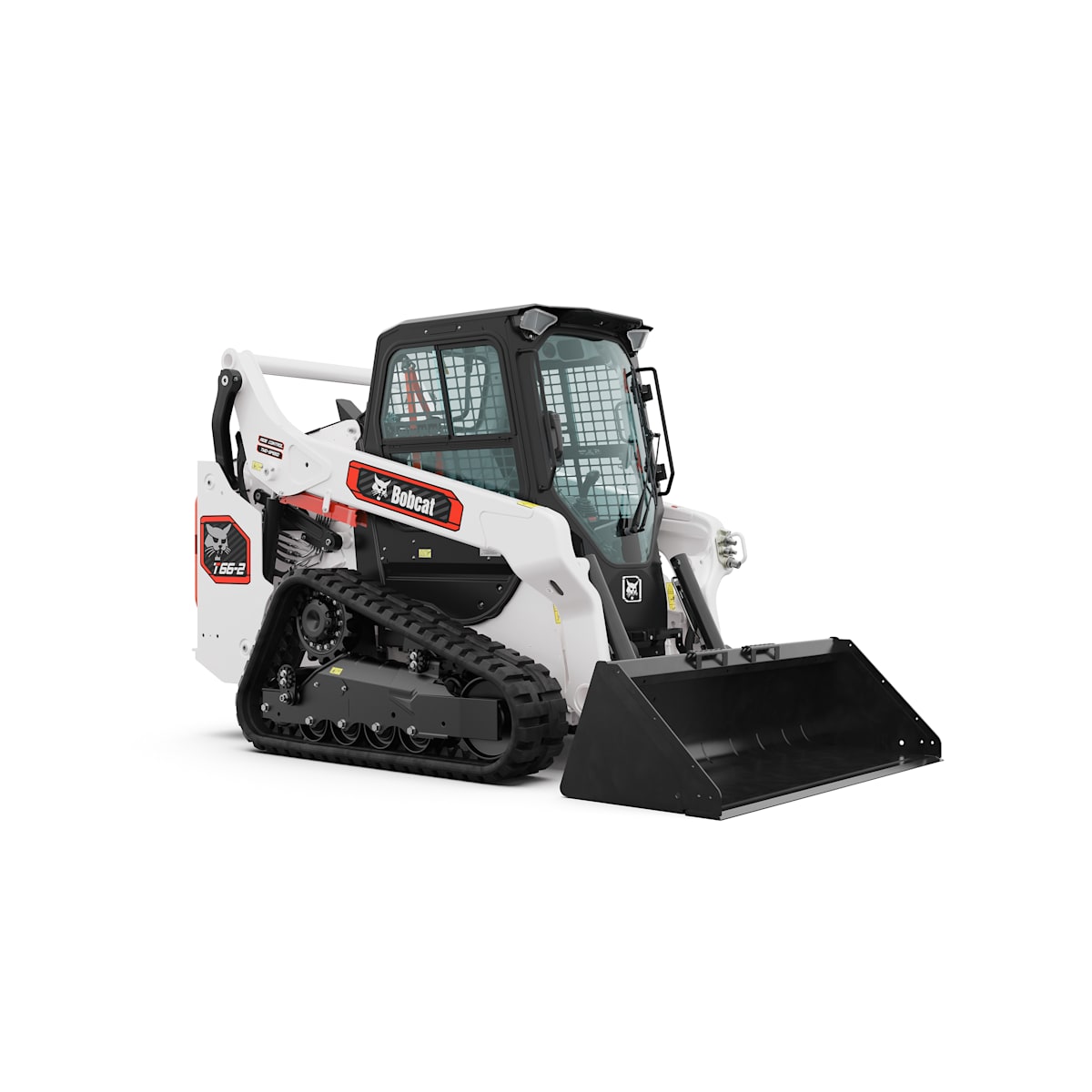
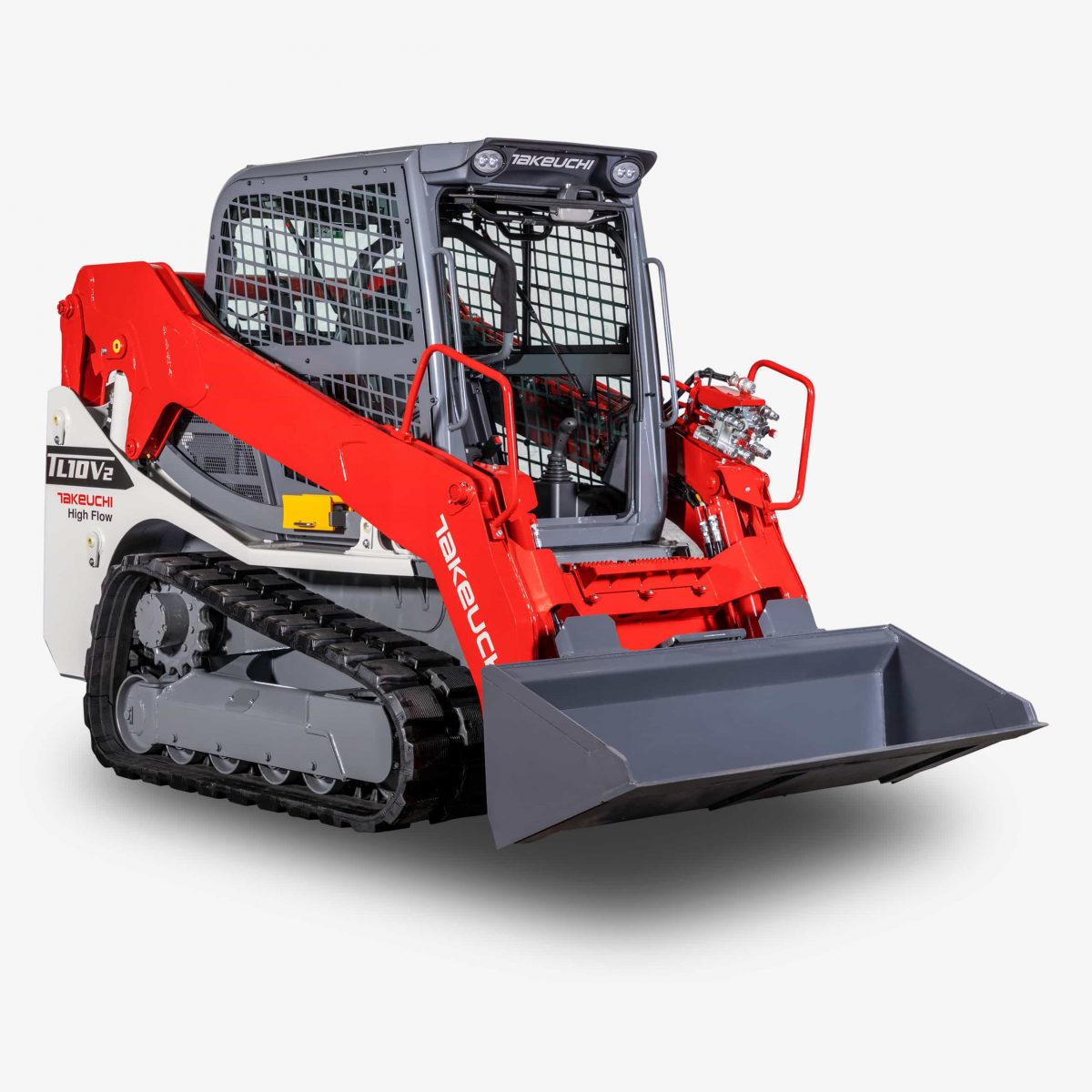
Quick take: The Takeuchi TL10V2 costs $1,000 less; the Takeuchi TL10V2 has a higher rated operating capacity (3,604 vs 2,450 lbs).
| Spec | Bobcat T66-2 | Takeuchi TL10V2 |
|---|---|---|
| Price | $79,000 | $78,000 |
| Rating | 4.6★ (70) | 4.5★ (260) |
| Type | Compact Track Loader | Compact Track Loader |
| Lift Path | Vertical Lift | Vertical Lift |
| ROC | 2450 lbs | 3604 lbs |
| Engine HP | 74 hp | 74 hp |
| Operating Weight | 8927 lbs | 10270 lbs |
| Tipping Load | 6857 lbs | 7207 lbs |
| Lift Height | 120 in | 124.8 in |
| Hydraulic Flow | 17.6 GPM | 18.8 GPM |
| Engine | Bobcat (Doosan) D24 | Kubota V3307-CR |
| Tracks | Yes | Yes |
| Vertical lift | Yes | Yes |
| High-flow | Yes | Yes |
| Enclosed cab | Yes | Yes |
| Two-speed | Yes | Yes |
| Self-leveling | Yes | Yes |
| A/C & heat | Yes | Yes |
| Warranty | 2 yr / 2000 hr | 2 yr / 2000 hr |
Pros & cons
Bobcat T66-2
- ✓The T66 was already Bobcat's bread-and-butter CTL, and the -2 keeps everything owners liked - the 2,450 lb vertical-lift platform and DEF-free 74 hp D24 - while fixing the electrical harness issues that were the R-Series' biggest gripe.
- ✓The new 8-inch glove-friendly touchscreen supports 20 operator profiles and split-screen camera views, so mixed crews can each store their own joystick response and drive-mode preferences.
- ✓Four drive modes (Balanced, Agile, Dynamic and Charged) with precision drive software genuinely change the machine's character, letting the same loader do delicate finish grading in the morning and aggressive dirt work in the afternoon.
- ✓Optional Bobcat Sense camera- and radar-based detection can automatically stop the machine when it detects a person or obstacle behind it, a real differentiator for utility and municipal fleets with strict safety requirements.
- ✓Machine IQ telematics come standard with basics coverage, giving owners fault codes, location, and hours from a phone - handy for fleets that used to pay extra for third-party trackers.
- ✗Dealer pricing starts around $80k before high-flow or Sense options, a meaningful jump over outgoing T66 stock that has budget-minded buyers hunting R-Series leftovers instead.
- ✗It's a first-model-year machine that only hit dealers in summer 2026, so the new electrical architecture and touchscreen software are unproven in the field.
- ✗Power and hydraulics are unchanged - 74 hp and 17.6 GPM standard - so anyone hoping the new generation would close the gap with Kubota's SVL75-3 on grunt will be disappointed.
- ✗The added sensors, cameras, and software-defined drive modes mean more systems that require dealer diagnostics, chipping away at Bobcat's owner-serviceable reputation.
- ✗Running mulchers, planers, or snow blowers still requires the extra-cost 26.9 GPM high-flow option because the standard flow is modest for the class.
- ✗The 6,857 lb tipping load with torsion undercarriage trails heavier competitors like the Cat 265, so operators handling max-weight pallets at full reach need to mind stability.
Takeuchi TL10V2
- ✓Takeuchi invented the compact track loader, and the TL10V2's undercarriage - with its heavy rollers and stout track frame - is widely considered among the most durable in the industry.
- ✓At 10,270 lbs it's built noticeably heavier than same-class rivals, and owners say the extra steel shows up as pushing power and stability on slopes.
- ✓The 74.3 hp Kubota V3307 avoids DEF entirely, and sharing the engine with the ubiquitous SVL75 means parts knowledge and availability are excellent.
- ✓The vertical lift path with a nearly 125-inch bucket pin height loads dump trucks cleanly, a big step up from the radial TL8.
- ✓Track life is a standout - the wide stance and roller design spread wear, and owners routinely report going well past 1,500 hours on original tracks.
- ✓Loyal multi-machine owners are common - people who run Takeuchis for a decade keep buying them, which says a lot about long-term durability.
- ✓Resale values hold strong because used Takeuchis are scarce and in demand, particularly in regions where the dealer network has matured.
- ✗The V2 dropped from the old TL10's 92 hp to 74.3 hp to duck DEF requirements, and owners of the original bluntly call the new machine sluggish by comparison.
- ✗The Kubota engine still carries a DPF, and short-cycle users report regen interruptions and occasional limp-mode sensor codes that need a dealer visit.
- ✗Electrical gremlins are the sore spot - one owner reported a $12,000 dealer bill for five replacement wire harnesses, and forum threads on harness chafing are easy to find.
- ✗Standard 18.8 GPM auxiliary flow is on the low side for the class, pushing buyers of demanding attachments into the pricier high-flow package.
- ✗At over 10,000 lbs it needs a heavier trailer and truck than lighter mid-frames like the Kubota SVL75-3, which some buyers don't budget for.
- ✗Parts prices run high - a replacement V3307 long block alone is around $10,000, and owners note routine parts cost more than Kubota-branded equivalents.