Head to head
Cat 226D3 against Case SR175B
The Case SR175B carries 200 lb more once both are rated the same way; the Case SR175B moves 2.6 GPM more through the auxiliary circuit.
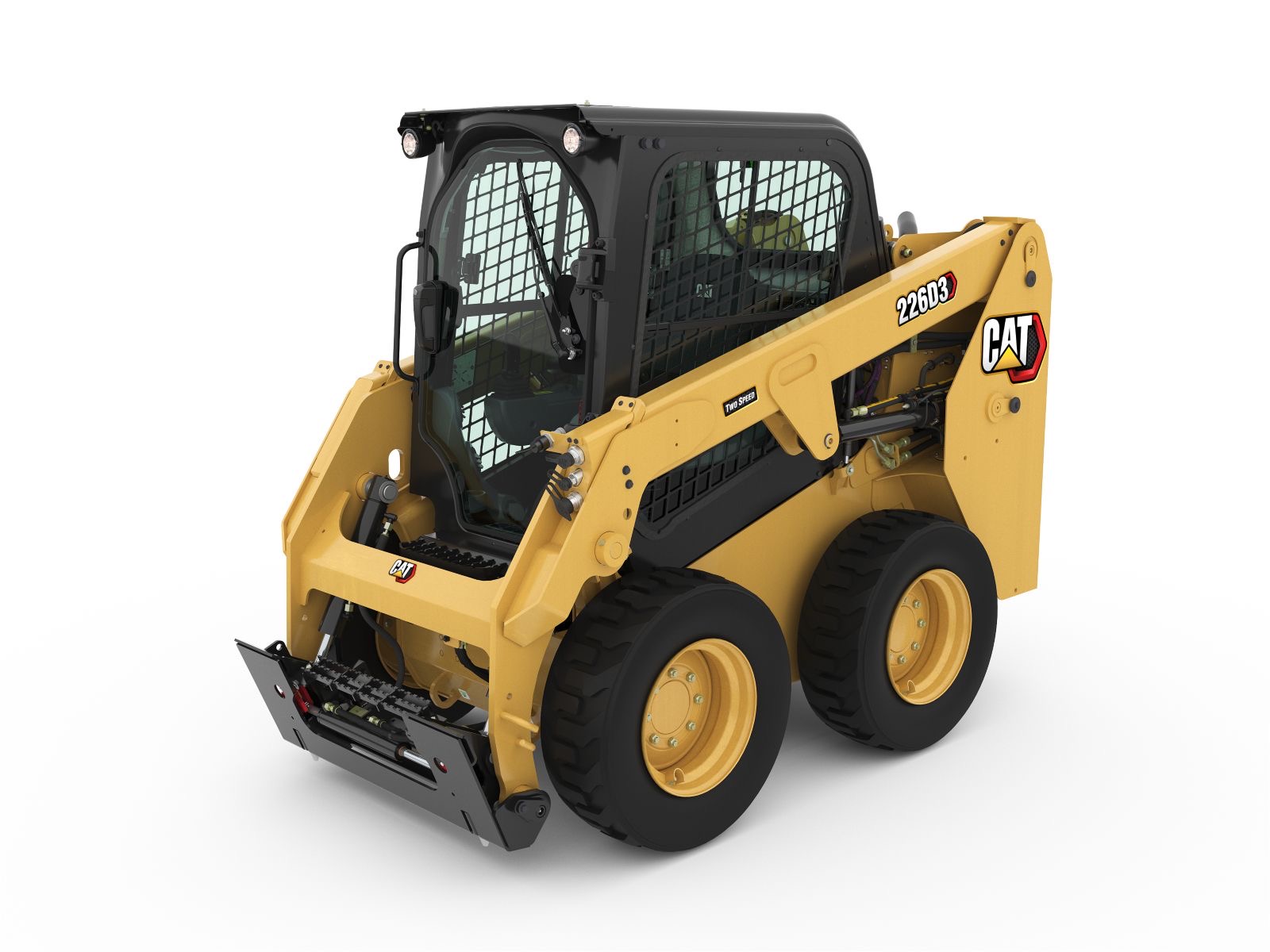
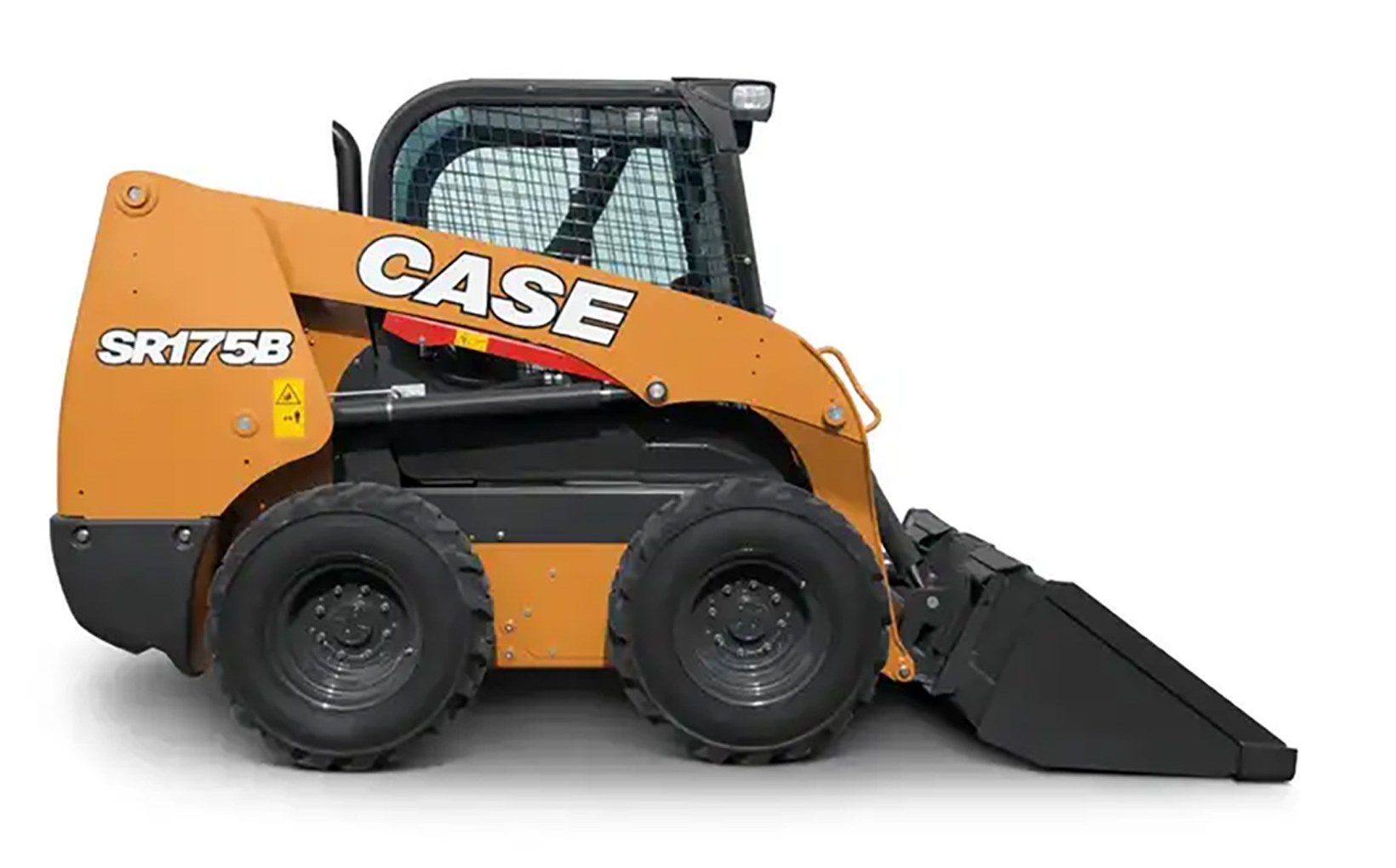
| Spec | Cat 226D3 | Case SR175B |
|---|---|---|
| Price | $46,000 | $46,000 |
| Rated capacity, as advertised | 1,550 lbs | 1,750 lbs |
| Rated at | 50% of tipping load | 50% of tipping load |
| Tipping load | 3,100 lbs | 3,500 lbs |
| Capacity at its class convention | 1,550 lbs | 1,750 lbs |
| Engine power | 67 hp | 67 hp |
| Engine | Cat C2.2 CRDI | Perkins/ISM |
| Auxiliary flow | 18 GPM | 20.6 GPM |
| Lift height | 116 in | 122 in |
| Operating weight | 5,849 lbs | 6,270 lbs |
| Lift path | Radial Lift | Radial Lift |
| Rubber tracks | No | No |
| High flow available | Yes | Yes |
| Enclosed cab available | Yes | Yes |
| Two-speed travel available | Yes | Yes |
| Self-levelling available | Yes | Yes |
| A/C and heat available | Yes | Yes |
| Warranty | 2 yr / 2,000 hr | 2 yr / 2,000 hr |
What owners say about each
Cat 226D3
- The 226D3 is one of the lightest skid steers on the market, so owners can tow it with a half-ton truck and small trailer, which is a big deal for homeowners and small operators.
- Radial lift geometry gives strong digging and pushing force down low, and operators doing excavation and dozing work say it out-digs vertical-lift machines its size.
- Cat's pressurized, sealed cab is genuinely quiet and clean, and operators consistently rate it the most comfortable and dust-free cab in the small-frame class.
- The advanced display and optional Smart Attachments system make it easy for less-experienced operators to run tools correctly, reducing training time.
- It sips fuel thanks to the small C2.2 engine, and owners report all-day operation on a modest tank, keeping running costs low.
- The compact size and tight turning radius make it ideal for interior demolition and tight residential lots where bigger machines can't fit.
- The 1,550 lb capacity is genuinely small, and contractors quickly complain it's underpowered for anything beyond light material handling and digging.
- No two-speed travel on this base model means slow ground-to-ground moves, which operators find frustrating on larger sites.
- Cat parts and dealer labor are among the priciest in the industry, so even routine maintenance stings the wallet.
- The standard hydraulic flow is low, limiting the range of attachments it can effectively run without stepping up a frame size.
- Radial lift means poor reach and dump height at the top of the lift path, so truck-loading over high sides is awkward.
- Some owners feel the D3 series updates were minor and the machine feels dated next to Bobcat's R-Series refinements.
- The light operating weight that helps towing also makes it tippy and bouncy when pushing heavy piles.
Case SR175B
- The 7,270 lb bucket breakout force matches Case's 74 hp SR210B, so it digs like a machine a full frame size bigger.
- A 122-inch hinge pin height is exceptional for a small frame - it clears one-ton dump bodies that leave rivals like the Bobcat S450 short.
- The optional 30.7 GPM high-flow package is rare in this class and lets it run attachments most small frames simply can't power.
- The Tier 4 solution uses only a DOC - no DPF, no regens, no DEF - which owners cite as a genuine maintenance advantage over competitors.
- At 6,270 lbs it's still towable behind a well-equipped half-ton, keeping transport simple for solo operators.
- Case pricing undercuts comparable Bobcat and Cat small frames, and the included 7-year telematics subscription sweetens the deal.
- The 1,750 lb rated capacity limits pallet work - full pallets of sod or pavers push it to the edge of its tipping load.
- Radial lift geometry pulls the load back toward the machine at height, so reach at the top of the arc trails vertical-lift rivals for truck loading.
- The 20.6 GPM standard flow is modest, and buyers who skip the high-flow option find mid-size attachments starved.
- Two-speed, enclosed cab, and EH controls are all options that push a well-equipped price well past the attractive base number.
- Owners report occasional sensor and electrical gremlins on B-series machines that can require dealer software updates to resolve.
- The Perkins-family engine is reliable but less familiar to many mechanics than Kubota or Cat power, which can complicate field repairs.