Head to head
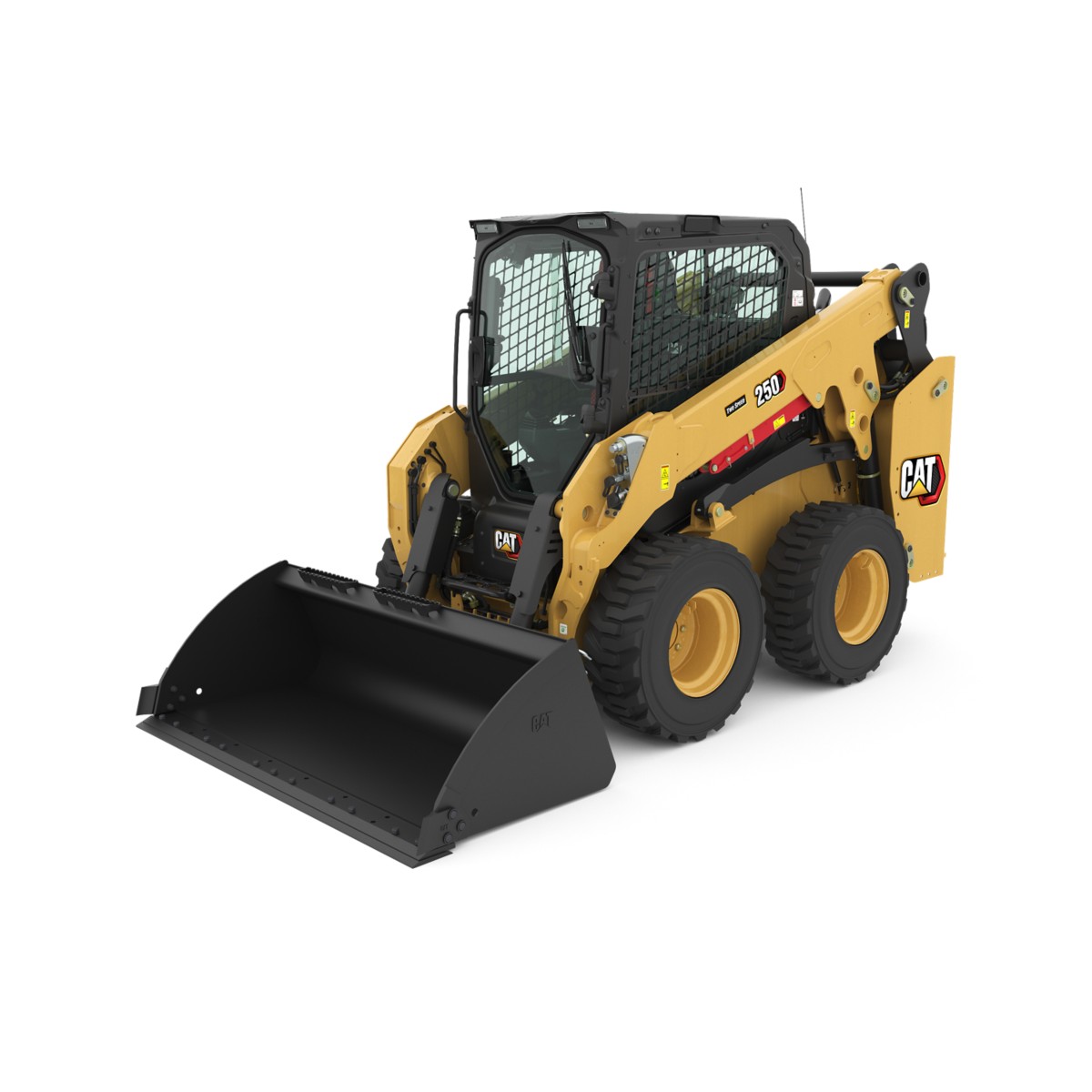
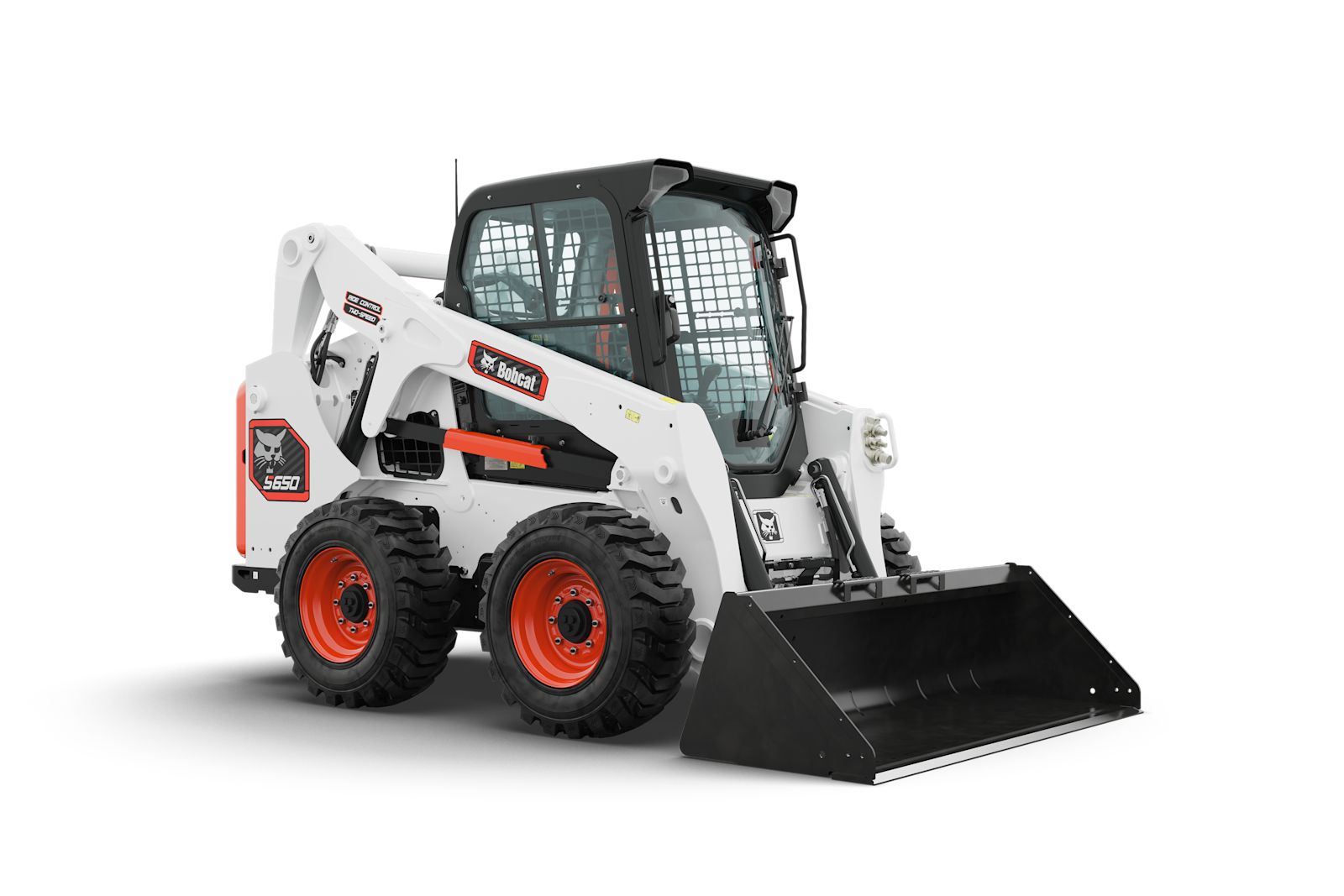
Cat 250 against Bobcat S650
The Cat 250 saves $608; the Bobcat S650 carries 1 lb more once both are rated the same way; the Bobcat S650 moves 3.0 GPM more through the auxiliary circuit.
| Spec | Cat 250 | Bobcat S650 |
|---|---|---|
| Price | $60,493 | $61,101 |
| Rated capacity, as advertised | 2,689 lbs | 2,690 lbs |
| Rated at | 50% of tipping load | 50% of tipping load |
| Tipping load | 5,378 lbs | 5,380 lbs |
| Capacity at its class convention | 2,689 lbs | 2,690 lbs |
| Engine power | 74 hp | 74 hp |
| Engine | Cat C2.8T | Bobcat (model not published) |
| Auxiliary flow | 20 GPM | 23 GPM |
| Lift height | 124 in | 124 in |
| Operating weight | 7,829 lbs | 7,901 lbs |
| Lift path | Vertical Lift | Vertical Lift |
| Rubber tracks | No | No |
| High flow available | Yes | Yes |
| Enclosed cab available | Yes | Yes |
| Two-speed travel available | Yes | Yes |
| Self-levelling available | Yes | Yes |
| A/C and heat available | Yes | Yes |
| Warranty | 2 yr / 2,000 hr | 2 yr / 2,000 hr |
What owners say about each
Cat 250
- The 2,689 lb rated operating capacity essentially matches the bigger 262D3 it helps replace, so buyers get medium-frame lifting numbers in a lighter, cheaper package.
- At 7,829 lbs it tows comfortably on a standard 10k equipment trailer with attachments, a practical advantage owners highlight over the heavier 260 and every CTL.
- The new C2.8T holds its 74 hp across a wide RPM band with a big torque gain over the old D3 engines, and operators say it lugs through pushing and grading work without the constant downshifting feel.
- The 124-inch bucket pin height is 3 inches taller than the outgoing machines, enough to clear the sideboards on most tandem dump trucks.
- No DEF system thanks to the sub-75 hp rating means one less consumable and no SCR sensors to fail, a real reliability plus for high-hour fleet duty.
- The 8-inch touchscreen, rearview camera, and standard Product Link telematics bring fleet-management features to a price class where competitors still charge extra.
- Standard auxiliary flow is 20 GPM versus 23 GPM on the old 262D3, so some attachments that ran fine on the D3 need the High Flow enablement on the 250.
- The next-gen price premium is real - it lists thousands above the equivalent outgoing D3, and budget buyers note Bobcat's S66 and Case's SR-series undercut it.
- Wheeled machines still can't follow CTLs onto soft or muddy ground, and buyers in wet climates increasingly skip straight to the 255 despite the higher price.
- As the smallest of the new wheeled line it shares its frame with the 260, so it gives up capacity to its sibling while costing only moderately less - several reviewers call the 260 the better value.
- Early-production software glitches with the touchscreen and displays showed up across the next-gen line, and fixes require a dealer visit rather than an owner reset.
- The electronics-rich platform makes DIY troubleshooting harder than the D3s, effectively increasing dependence on Cat dealer service at whatever rates they charge.
Bobcat S650
- 23 GPM of standard auxiliary flow is unusually generous - many attachments that need the high-flow option elsewhere run on this machine as built.
- 2,690 lb of rated capacity handles full pallets of block and sod that stop 2,000 lb machines.
- At $61,101 published it costs roughly $13,000 less than the tracked T650 of the same frame, the clearest wheels-versus-tracks price gap in the Bobcat line.
- The 124 in hinge-pin height clears tandem dump trucks, and the 30.5 GPM high-flow option covers planers and mulchers.
- Counterweight options take rated capacity to 2,890 lb for the occasional heavy pallet.
- At 7,901 lb it is real trailer weight, and the wheeled frame offers none of the flotation the T650 brings to soft ground.
- Bobcat publishes horsepower but not the engine model, so the engine spec on this machine is not verifiable from the maker.
- Classic-line electronics mean no touchscreen, drive modes or operator profiles - those are Pro-only.
- Tire replacement on a 5,380 lb tipping load machine working abrasive surfaces is a real recurring cost.