Cat 270 vs John Deere 334 P-Tier
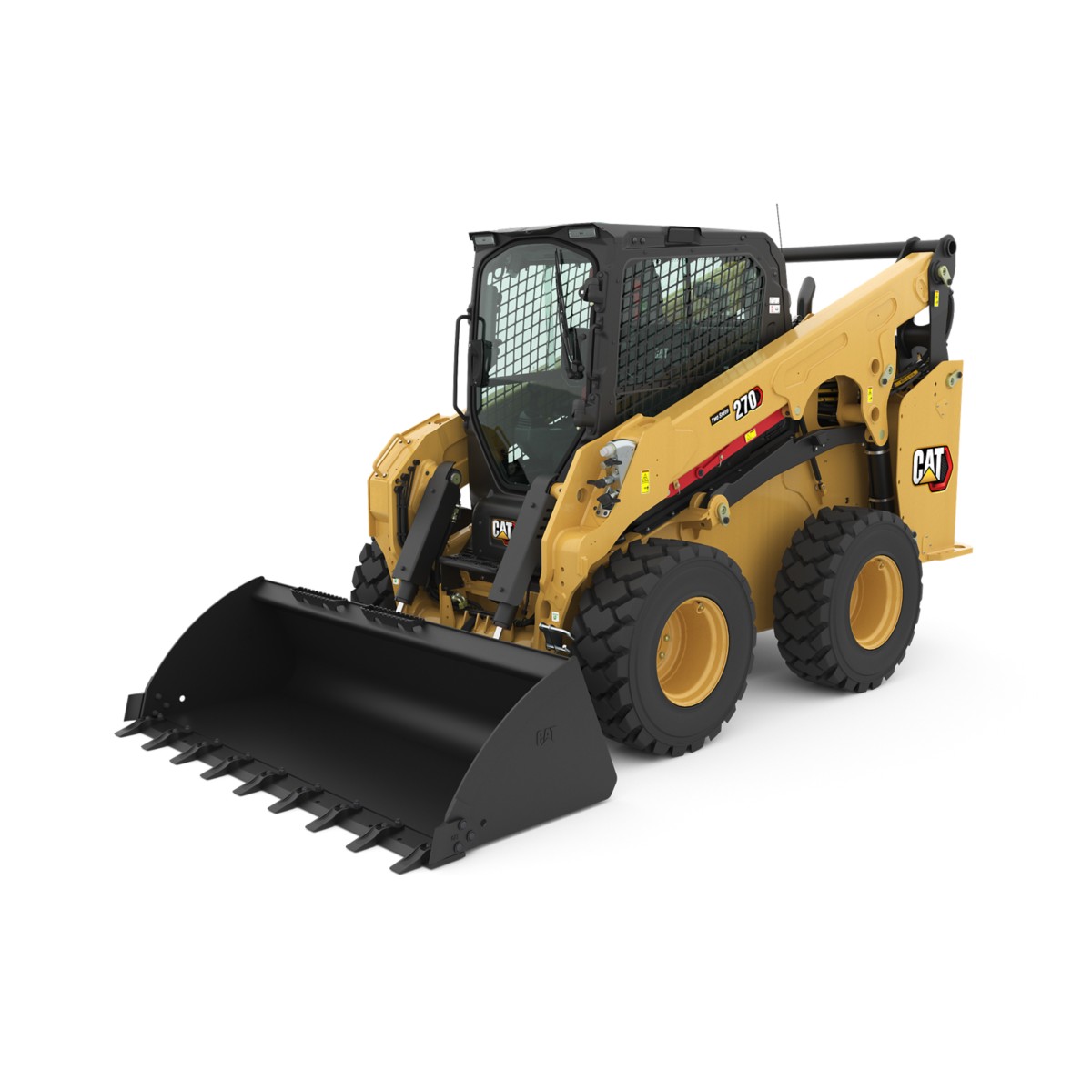
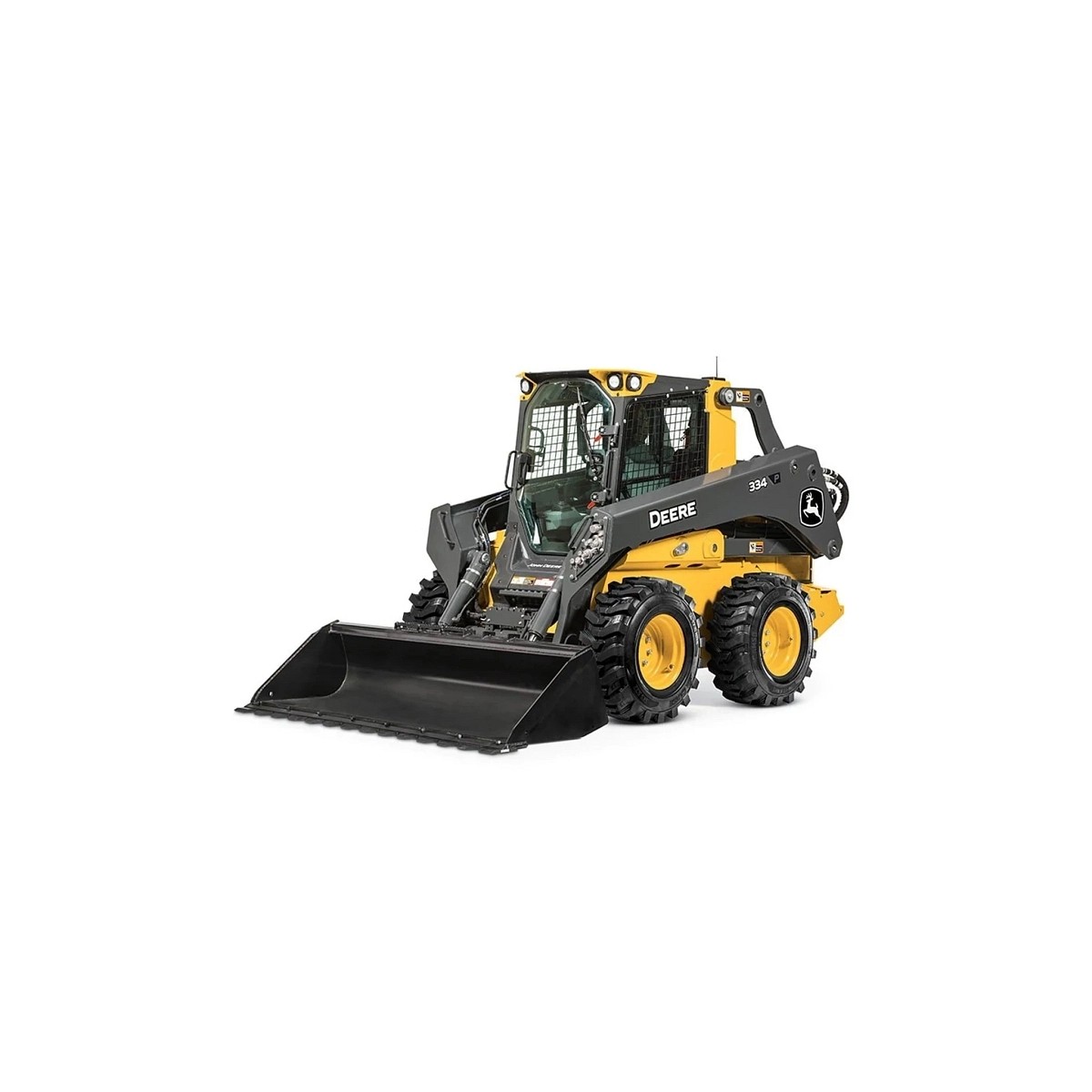
Quick take: The Cat 270 costs $8,000 less; the John Deere 334 P-Tier has a higher rated operating capacity (4,000 vs 3,557 lbs); the John Deere 334 P-Tier has more engine power (118 vs 111 hp).
| Spec | Cat 270 | John Deere 334 P-Tier |
|---|---|---|
| Price | $90,000 | $98,000 |
| Rating | 4.6★ (90) | 4.7★ (60) |
| Type | Wheeled Skid Steer | Wheeled Skid Steer |
| Lift Path | Vertical Lift | Vertical Lift |
| ROC | 3557 lbs | 4000 lbs |
| Engine HP | 111 hp | 118 hp |
| Operating Weight | 10441 lbs | 10264 lbs |
| Tipping Load | 7114 lbs | 8000 lbs |
| Lift Height | 134 in | 132 in |
| Hydraulic Flow | 23 GPM | 25 GPM |
| Engine | Cat C3.6TA | Yanmar 4TNV94FHT |
| Tracks | No | No |
| Vertical lift | Yes | Yes |
| High-flow | Yes | Yes |
| Enclosed cab | Yes | Yes |
| Two-speed | Yes | Yes |
| Self-leveling | Yes | Yes |
| A/C & heat | Yes | Yes |
| Warranty | 1 yr / 1000 hr | 2 yr / 2000 hr |
Pros & cons
Cat 270
- ✓The 111 hp C3.6TA with 333 lb-ft of torque is a major step over the 272D3's 98 hp, and operators running planers and wheel saws say it holds RPM under loads that stalled the old machine.
- ✓High Flow XPS delivers 34 GPM at up to 4,061 psi, making the 270 one of the most hydraulically capable wheeled skid steers ever offered by any brand.
- ✓The 3,557 lb ROC ties with class leaders, and the near-134-inch pin height loads tandem dumps with sideboards without piling material at the tailgate.
- ✓On pavement it does what no CTL can - milling, sweeping, and demolition work all day with cheap, fast tire changes instead of thousand-dollar track replacements.
- ✓The sealed pressurized cab with heated/ventilated air-ride seat and 8-inch touchscreen is a night-and-day upgrade over the 272D3's operator station.
- ✓Stability under heavy loads is excellent thanks to the 10,441 lb operating weight and long wheelbase, and operators note far less bounce at speed than smaller frames.
- ✓The 270 XE upgrade path means high-production buyers can stay on the same platform, parts, and dealer relationship when they need even more hydraulic output.
- ✗The 111 hp engine brings full Tier 4 Final aftertreatment - DEF, DPF, and regens - which the 74 hp models avoid, adding running cost and potential downtime.
- ✗At 10,441 lbs it's heavier than some compact track loaders, so the traditional 'wheeled machines are easy to tow' advantage largely disappears at this size.
- ✗Wheeled traction limits it to firm ground - owners doing dirt work concede the 275 CTL walks away from it the moment conditions get soft or wet.
- ✗Early-adopter reports include touchscreen and software quirks consistent with the rest of the next-gen rollout, requiring dealer flash updates to settle.
- ✗Its size and turning footprint make it clumsy in tight urban jobsites where a 260-size machine with the same 34 GPM XPS option covers most needs.
John Deere 334 P-Tier
- ✓With 118 gross horsepower it's the strongest skid steer Deere has ever built, an 18% jump over the 332G, and operators running cold planers say it holds engine speed where the old machine would lug.
- ✓The 4,000 lb rated operating capacity and 8,000 lb tipping load put it at the top of the wheeled class, handling loaded brick pallets and full buckets of wet material without drama.
- ✓The optional 44 GPM / 4,000 psi high-flow package delivers hydraulic power that rivals dedicated milling machines, making it a favorite for asphalt planing and heavy mulching on firm ground.
- ✓The 35.5-gallon fuel tank is enormous for a skid steer and supports true dawn-to-dusk operation on high-load hydraulic work without a mid-day fuel stop.
- ✓Wheels beat tracks on pavement - for road work, demolition cleanup, and concrete yards it out-runs and out-lasts CTLs while costing far less in undercarriage wear.
- ✓The 132-inch hinge pin height with vertical lift loads tri-axle dump trucks cleanly, and self-leveling keeps pallet forks flat through the whole lift path.
- ✗At over 10,000 lbs before attachments, it needs heavy-duty transport, and the days of hauling your skid steer behind a pickup are over at this size.
- ✗The extra horsepower and big hydraulics burn fuel quickly under load - owners running planers report consumption closer to a small excavator than a typical skid steer.
- ✗It's brand new to the market, so long-term reliability of the higher-output engine tune and 4,000 psi hydraulic system is still unproven.
- ✗The physical size that enables the capacity works against it in tight residential lots where a mid-frame machine maneuvers much more easily.
- ✗Tier 4 Final aftertreatment with DEF adds running cost and complexity, and regens interrupt work more often when the machine idles between milling passes.
- ✗Wheeled machines fall short in mud and on slopes, so mixed-surface contractors may be pushed to the 335 P-Tier CTL and its higher price instead.