JCB 250T vs JCB 270
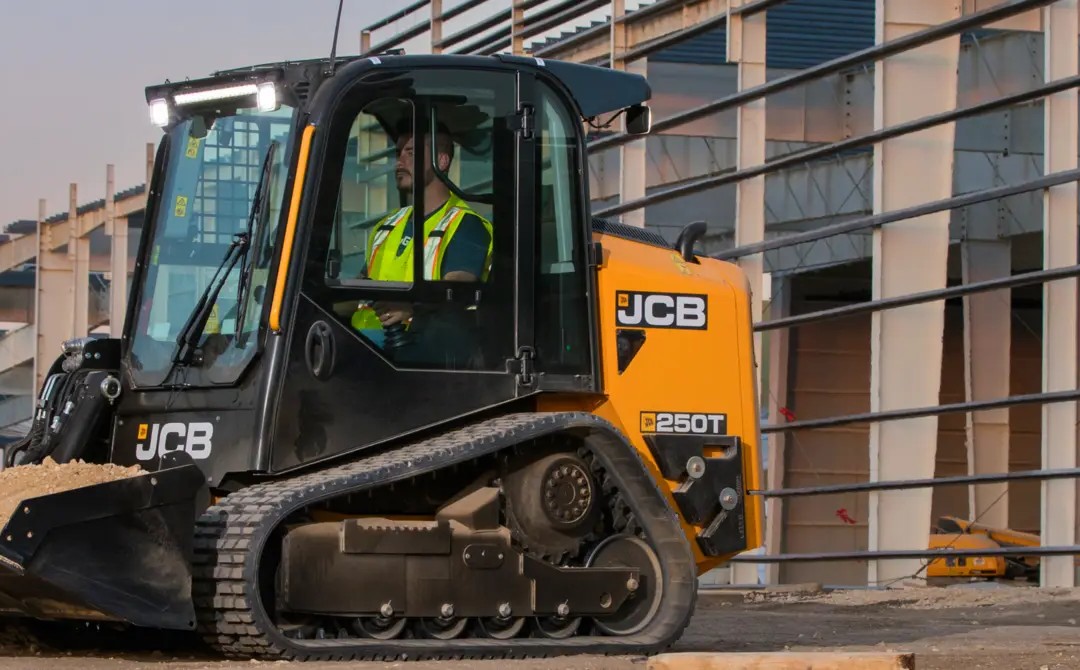
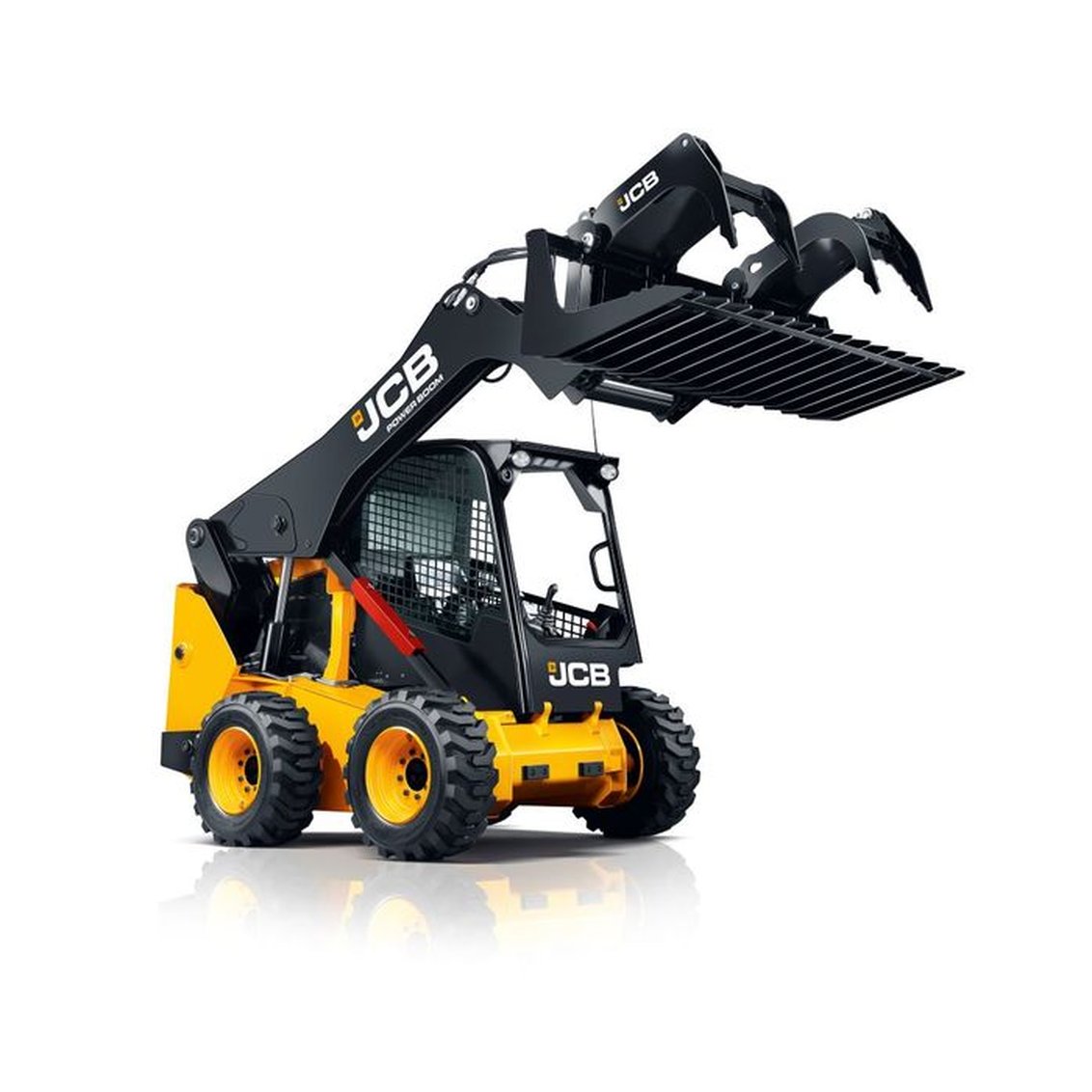
Quick take: The JCB 270 costs $2,000 less; the JCB 270 has a higher rated operating capacity (2,723 vs 2,429 lbs).
| Spec | JCB 250T | JCB 270 |
|---|---|---|
| Price | $64,000 | $62,000 |
| Rating | 4.4★ (45) | 4.3★ (105) |
| Type | Compact Track Loader | Wheeled Skid Steer |
| Lift Path | Vertical Lift | Vertical Lift |
| ROC | 2429 lbs | 2723 lbs |
| Engine HP | 74 hp | 74 hp |
| Operating Weight | 9870 lbs | 8680 lbs |
| Tipping Load | 6940 lbs | 5448 lbs |
| Lift Height | 119 in | 126 in |
| Hydraulic Flow | 18.5 GPM | 23.8 GPM |
| Engine | Kohler KDI 2.5L | JCB EcoMAX TCAE-55 |
| Tracks | Yes | No |
| Vertical lift | Yes | Yes |
| High-flow | Yes | Yes |
| Enclosed cab | Yes | Yes |
| Two-speed | Yes | Yes |
| Self-leveling | Yes | Yes |
| A/C & heat | Yes | Yes |
| Warranty | 2 yr / 2000 hr | 2 yr / 2000 hr |
Pros & cons
JCB 250T
- ✓It's the only machine in the hot mid-size CTL class (Bobcat T64, Cat 259, Deere 331 territory) with a side-entry door - operators never climb over the attachment or under a raised boom.
- ✓The single-arm PowerBoom gives a genuine 270-degree view from the seat, a visibility edge no twin-arm competitor in this size class can match.
- ✓The 74 hp Kohler diesel needs no DPF and no DEF, so there are no regen cycles or emissions fluid to manage.
- ✓At 9,870 lbs it tows behind a well-equipped three-quarter-ton pickup without a CDL, unlike many machines with this much capacity.
- ✓The 2,429 lb rated capacity slots neatly between JCB's own 215T and 270T, right where most rental and landscape buyers shop.
- ✓The cab is roughly 46% larger than competitive mid-size machines, with a touchscreen display and adjustable MyChoice joystick response.
- ✓Wide 15.7-inch tracks keep ground pressure around 5 psi, so it treads lighter on turf than its capacity suggests.
- ✓An 18.5 GPM standard circuit with a 30.4 GPM high-flow option covers augers through cold planers without buying the biggest frame.
- ✗It's a brand-new 2026 model, so there's no long-term reliability record and early-production quirks are still being shaken out.
- ✗JCB's compact-line dealer network is thinner than Bobcat's or Cat's in much of the US, which can slow parts and warranty support.
- ✗The single-boom design still meets resistance from traditionalist buyers, which historically softens JCB resale values.
- ✗The left-side door is the only way in, so parking tight against an obstacle on that side locks you out.
- ✗The 74 hp rating trails 100+ hp rivals for sustained high-flow mulching work despite the healthy hydraulics.
- ✗At 9,870 lbs it's heavier than several twin-arm machines with comparable rated capacity.
- ✗Electro-hydraulic controls and integrated electronics need dealer-level diagnostic tools when faults appear.
- ✗The Kohler engine and proprietary boom parts are unfamiliar to many independent mechanics, stretching off-warranty repairs.
JCB 270
- ✓The side-entry door means operators enter and exit without climbing over the attachment or under a raised boom - a safety difference no conventional skid steer in this class matches.
- ✓The single-arm PowerBoom removes the right-side loader arm entirely, delivering roughly 60% better visibility and JCB's Hi-Viz sightline to the bucket edge.
- ✓The 74 hp EcoMAX engine hits Tier 4 Final with no DPF and no DEF, so there are zero regen interruptions and no emissions fluid to buy - rare in the large-frame class.
- ✓The 2,723 lb rated capacity and 126-inch hinge pin height load dump trucks and stack pallets confidently for a wheeled machine.
- ✓A 23.8 GPM standard auxiliary circuit is generous at this size, and an optional high-flow package covers hungry attachments like cold planers and snow blowers.
- ✓Two-speed travel tops out around 12 mph, making ground-to-ground moves across large sites and farmyards genuinely quick.
- ✓The pressurized cab is one of the largest in the class with available A/C and heat, and controls switch between ISO and H-pattern for any operator.
- ✓The one-piece boom is inherently rigid, and JCB's telehandler DNA shows in how little slop develops even after hard hours.
- ✗Single-boom skepticism persists among traditional buyers, which can make the machine a harder sell at trade-in time.
- ✗JCB's compact dealer coverage is thinner than Bobcat's or Cat's across much of the U.S., slowing parts availability and warranty service.
- ✗At 8,680 lbs it's on the heavy side for its rated capacity - some rivals lift more per pound of machine.
- ✗Resale values lag the big four brands because the used market for single-arm machines is narrower.
- ✗The left-side door is the only entry, so an obstruction on that side means no way into the cab.
- ✗Wheels limit it in mud and on torn-up ground where the tracked 270T keeps working.
- ✗Electro-hydraulic controls and the digital display add complexity that's harder to field-diagnose than older machines.
- ✗High-flow is optional rather than standard, so buyers running demanding attachments pay extra to unlock the machine's potential.