John Deere 320 P-Tier vs JCB 215
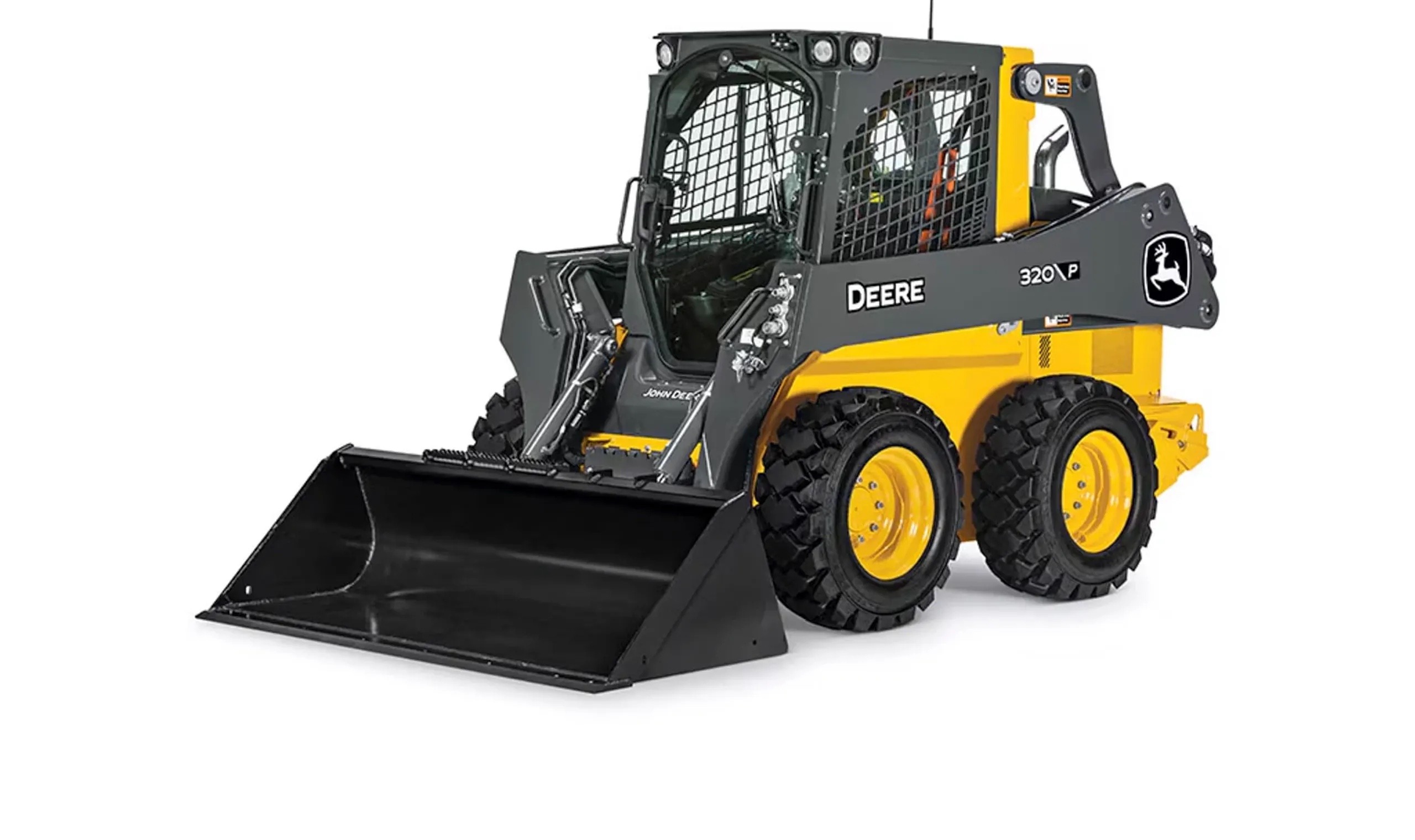
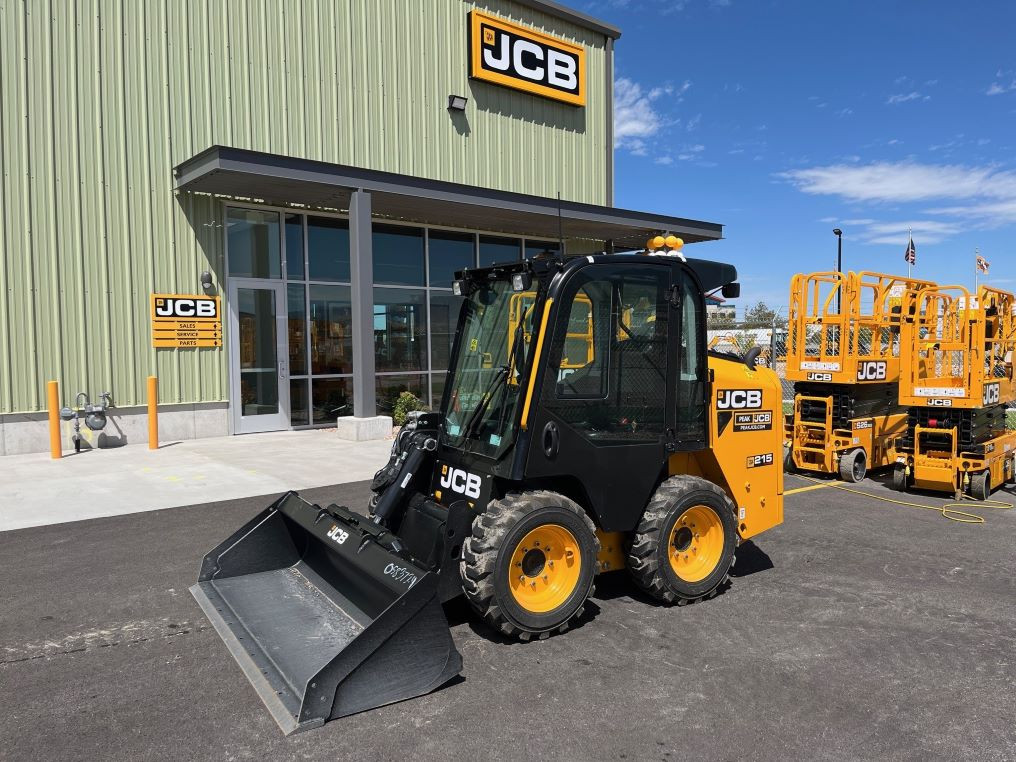
Quick take: The John Deere 320 P-Tier has a higher rated operating capacity (2,190 vs 2,112 lbs); the JCB 215 has more engine power (74 vs 69 hp).
| Spec | John Deere 320 P-Tier | JCB 215 |
|---|---|---|
| Price | $56,000 | $56,000 |
| Rating | 4.5★ (40) | 4.3★ (120) |
| Type | Wheeled Skid Steer | Wheeled Skid Steer |
| Lift Path | Vertical Lift | Vertical Lift |
| ROC | 2190 lbs | 2112 lbs |
| Engine HP | 69 hp | 74 hp |
| Operating Weight | 7150 lbs | 7253 lbs |
| Tipping Load | 4380 lbs | 4224 lbs |
| Lift Height | 122 in | 118 in |
| Hydraulic Flow | 21 GPM | 18.5 GPM |
| Engine | Yanmar 4TNV98C | JCB by Kohler 2.5L |
| Tracks | No | No |
| Vertical lift | Yes | Yes |
| High-flow | Yes | Yes |
| Enclosed cab | Yes | Yes |
| Two-speed | Yes | Yes |
| Self-leveling | Yes | Yes |
| A/C & heat | Yes | Yes |
| Warranty | 2 yr / 2000 hr | 2 yr / 2000 hr |
Pros & cons
John Deere 320 P-Tier
- ✓Electrohydraulic ISO joystick controls are standard rather than optional, and each operator can save custom response settings - a genuine step up from the hand-and-foot or optional-EH setup on the old 320G.
- ✓The vertical-lift boom reaches a 122-inch hinge pin height, so it clears tandem-axle dump truck sideboards and stacks pallets two-high without the awkward arc of a radial machine.
- ✓The new optional 30 GPM high-flow package lets a mid-frame wheeled Deere run cold planers and heavier augers that previously forced buyers up to the large-frame 330.
- ✓Standard two-speed transmission tops out at 11.1 mph, so ground-to-ground moves across big sites don't eat the day the way single-speed compacts do.
- ✓The naturally aspirated 3.3L Yanmar with no DPF-regen drama on the base engine is a known quantity from years of 320G service, and parts are stocked at nearly every Deere dealer.
- ✓The sealed and pressurized cab with swing-out door is quieter and noticeably less dusty than the outgoing G-Series, and the cab-footwell cleanout is a small touch rental yards love.
- ✓Optional ride control smooths out load bounce when carrying full buckets over rough ground, a feature Deere never offered on mid-frame G-Series machines.
- ✓Standard JDLink telematics with free-for-life connectivity means fleet owners get location, hours, and diagnostic alerts without a subscription bill.
- ✗The 2,190 lb rated capacity is identical to the 2018-era 320G, so owners hoping the new generation would lift more will be disappointed - the gains are in controls and options, not muscle.
- ✗At 69 hp gross the base engine is naturally aspirated, and operators running hungry attachments at altitude will want the optional turbo, which adds cost.
- ✗Pricing moved up meaningfully from the 320G, and a well-optioned unit with high-flow, ride control, and camera pushes toward the mid-$60k range.
- ✗The machine launched in mid-2026, so there is no long-term reliability record and early-production software quirks are still a risk.
- ✗Hydraulic self-leveling remains an option rather than standard, which stings when several competitors include it at this price point.
- ✗The 21 GPM standard flow trails the Bobcat S66's and Cat 250's standard output, so attachment-heavy buyers effectively need the high-flow option.
- ✗Wheeled machines this size still struggle in mud and on slopes where a comparable compact track loader keeps working, and Deere's mid-frame CTL alternative costs thousands more.
- ✗Resale is unproven for the P-Tier mid-frames, while clean used 320Gs are plentiful and thousands cheaper - value buyers may find the old model the smarter deal.
JCB 215
- ✓The side-entry door means operators never climb over the bucket or duck under a raised boom - a genuine safety advantage no conventional twin-arm skid steer offers.
- ✓The single-arm PowerBoom eliminates the right-side loader arm, giving up to 60% better all-around visibility and far fewer blind spots in tight quarters.
- ✓The 74 hp JCB by Kohler turbo diesel meets Tier 4 Final with no DPF or DEF, so there are no regen cycles and no emissions fluid costs.
- ✓Vertical lift geometry with a 118-inch hinge pin loads trucks cleanly - strong reach at height for a small-platform machine.
- ✓An 18.5 GPM standard circuit with a 30 GPM high-flow option runs a wide attachment range that small-frame rivals can't match.
- ✓At 7,253 lbs it's light enough to tow behind a well-equipped three-quarter-ton pickup, unlike the heavier Teleskid and track models.
- ✓The sealed cab is quiet with available heat and A/C, and switchable ISO/H-pattern controls let any operator feel at home.
- ✓It's priced in the mid-$50,000s, undercutting comparable vertical-lift machines from Bobcat and Cat with more standard visibility and safety.
- ✗The single-arm boom still meets skepticism from traditional buyers, and some avoid it on looks alone despite JCB's engineering record.
- ✗JCB's compact-line dealer network is thinner than Bobcat's, Cat's, or Deere's in much of rural America, slowing parts and warranty work.
- ✗The 2,112 lb rated capacity is midpack, and operators who regularly move heavy pallets will want the larger 270 or 300.
- ✗Resale values trail the big four brands because the used market for single-boom machines is narrower.
- ✗The left-side door is the only entry, so parking tight against an obstacle on that side keeps you out of the cab.
- ✗Wheels limit it on mud and soft ground where the 215T track version keeps working.
- ✗Electro-hydraulic controls and electronics add complexity that's harder to field-diagnose than older pilot-control machines.
- ✗The 18.5 GPM standard flow is only average, and hungry attachments require paying up for the high-flow option.