John Deere 331 P-Tier vs Gehl VT320
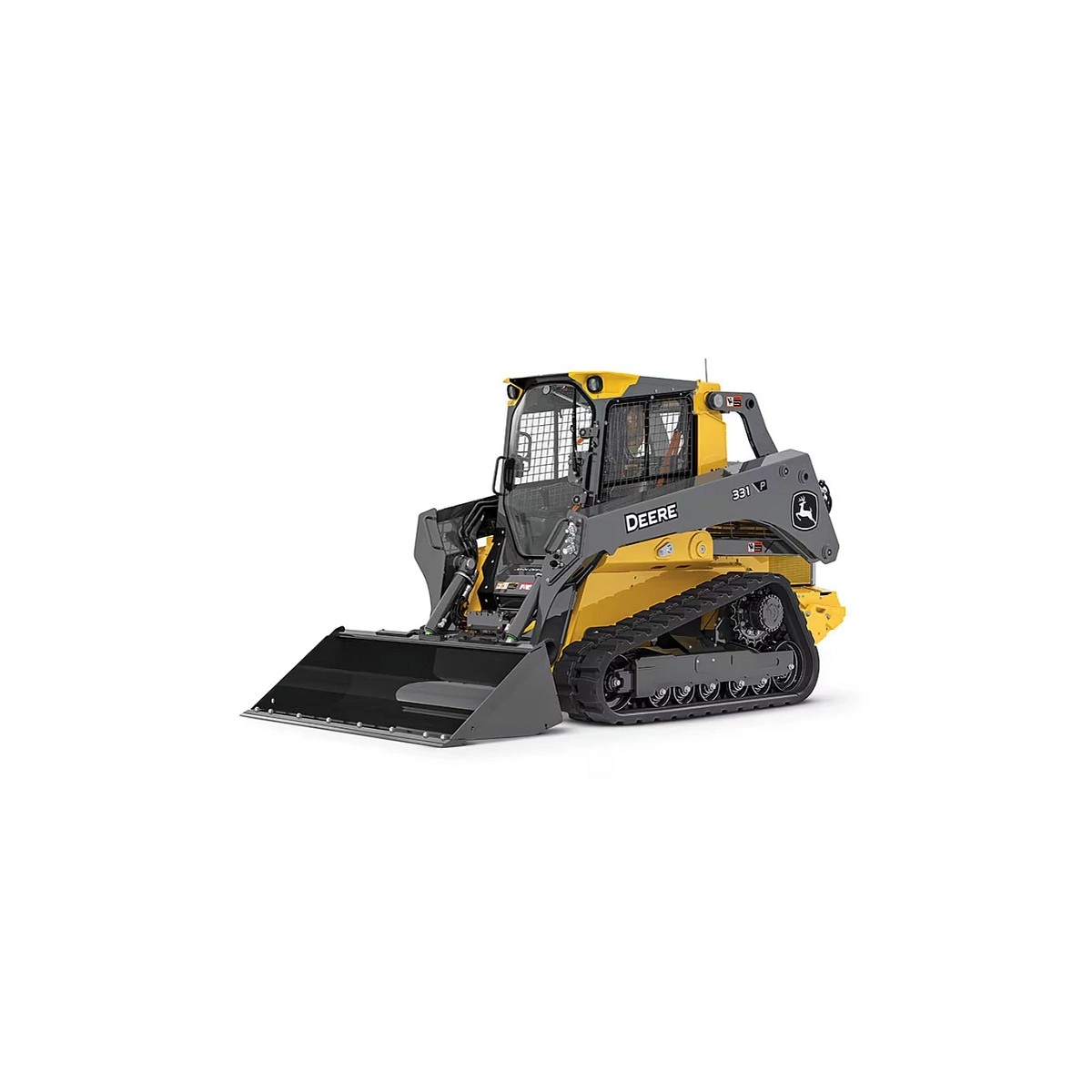
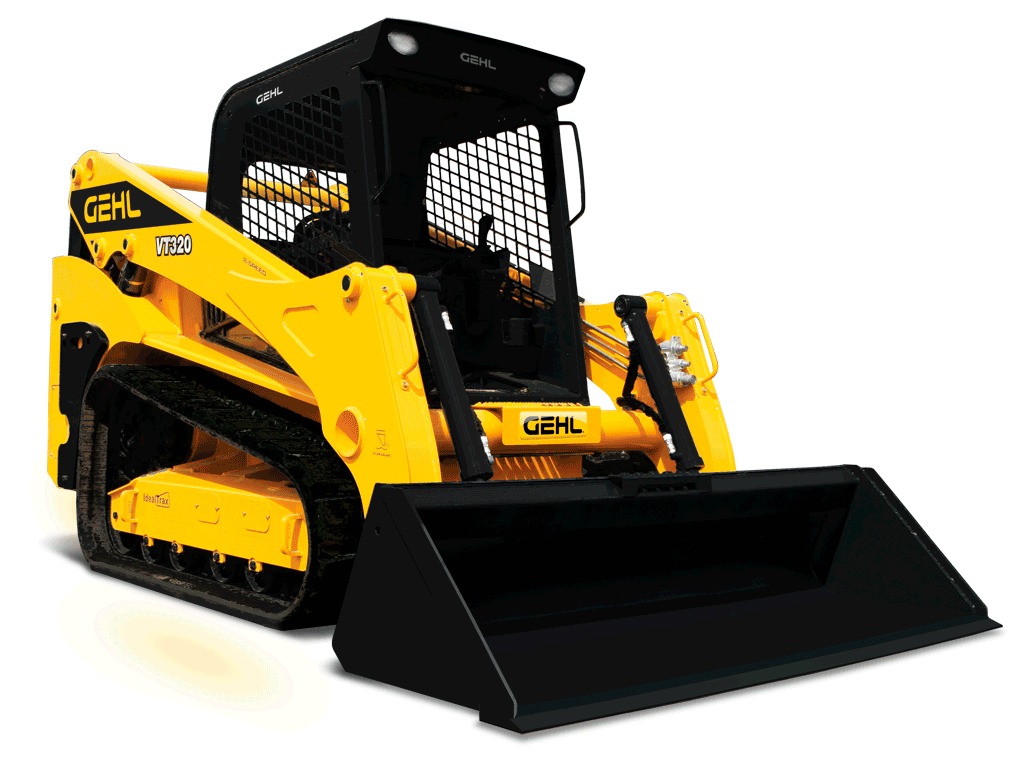
Quick take: The Gehl VT320 costs $1,000 less; the Gehl VT320 has a higher rated operating capacity (3,201 vs 3,150 lbs); the Gehl VT320 has more engine power (114 vs 98 hp).
| Spec | John Deere 331 P-Tier | Gehl VT320 |
|---|---|---|
| Price | $86,000 | $85,000 |
| Rating | 4.6★ (75) | 4.4★ (90) |
| Type | Compact Track Loader | Compact Track Loader |
| Lift Path | Vertical Lift | Vertical Lift |
| ROC | 3150 lbs | 3201 lbs |
| Engine HP | 98 hp | 114 hp |
| Operating Weight | 11914 lbs | 11799 lbs |
| Tipping Load | 9000 lbs | 9145 lbs |
| Lift Height | 132 in | 130 in |
| Hydraulic Flow | 25 GPM | 29 GPM |
| Engine | Yanmar 4TNV94FHT | Deutz TD 3.6 |
| Tracks | Yes | Yes |
| Vertical lift | Yes | Yes |
| High-flow | Yes | Yes |
| Enclosed cab | Yes | Yes |
| Two-speed | Yes | Yes |
| Self-leveling | Yes | Yes |
| A/C & heat | Yes | Yes |
| Warranty | 2 yr / 2000 hr | 2 yr / 2000 hr |
Pros & cons
John Deere 331 P-Tier
- ✓The 98 hp turbo Yanmar is a 7% power bump over the 331G, and operators pushing full buckets of wet clay report it holds ground speed where the old machine had to downshift.
- ✓The one-piece sealed and pressurized cab is dramatically quieter and cleaner than the G-Series - operators mowing and mulching in dusty conditions say the cab stays livable all day.
- ✓The 9,000 lb tipping load and long track base make it stable craning heavy loads at the full 132-inch hinge pin height, so loading tandem dump trucks feels routine.
- ✓EH controls with adjustable boom and drive response let each operator tune the machine, and the softest settings make it forgiving for green operators on finish grading.
- ✓The optional 39 GPM high-flow package runs mulching heads and stump grinders respectably, covering most attachment needs short of the dedicated high-flow 333/335 machines.
- ✓The 29.5-gallon fuel tank and efficient engine give a true full workday of runtime, which crews coming off the thirstier 331G notice on long grading days.
- ✓Deere's vertical-lift boom keeps the load path close to the machine through the lift, and pallet fork work at height is noticeably more stable than radial-lift competitors.
- ✓The touchscreen display, Bluetooth, optional Surround View cameras, and two-year/2,000-hour standard warranty bring the ownership experience up to par with Cat's next-gen CTLs.
- ✗The 50 lb ROC gain over the 331G is marginal, so owners upgrading purely for lift capacity will be underwhelmed by the spec sheet.
- ✗P-Tier pricing rose meaningfully over the outgoing G-Series, and a well-optioned 331 approaches what a base 333 P-Tier costs.
- ✗As a first-year model, early adopters are finding software bugs and sensor teething issues that require dealer flash updates.
- ✗At nearly 12,000 lbs it needs a 20k-class trailer and heavy tow vehicle, a real jump for owners moving up from mid-frame machines.
- ✗Rubber tracks and undercarriage remain the big ownership cost - expect thousands in undercarriage parts by the second or third set of tracks.
- ✗The Tier 4 Final aftertreatment adds DEF and regen cycles, and owners doing light-duty intermittent work see more frequent regens than they'd like.
- ✗Resale value for the new P-Tier line is unproven, while clean used 331Gs hold value on a long track record.
- ✗Standard 25 GPM flow is unchanged from the G-Series, so buyers running serious mulchers still have to pay up for the high-flow option or a bigger machine.
Gehl VT320
- ✓The 114 hp Deutz TD 3.6 with 339 ft-lbs of torque is one of the most powerful engines fitted to any compact track loader, and it never feels short of breath under a mulcher or a heaped bucket.
- ✓A 3,201 lb rating at a conservative 35% of the 9,145 lb tipping load means Bobcat-style 50% math would advertise over 4,500 lbs - stability with a loaded pallet is exceptional.
- ✓The vertical lift path with a 130-inch hinge pin and 100-inch dump height places loads straight over high-sided trucks and hoppers, exactly what the big-frame class is bought for.
- ✓The 29 GPM standard circuit and 38 GPM high-flow option feed flow-hungry mulching heads and cold planers properly, making it a legitimate budget forestry platform.
- ✓Nearly 12,800 lbs of drawbar pull and 9,900 lbs of breakout force give it grading and dozing muscle that embarrasses lighter machines.
- ✓IdealTrax automatic track tensioning protects the large, expensive undercarriage from the under-tension wear that plagues manually-adjusted big CTLs.
- ✓Buyers consistently report paying five figures less than a comparably-optioned Bobcat T870 or Cat 299D3, with a 2-year/2,000-hour warranty included.
- ✓Wide 18-inch tracks and 12 inches of ground clearance let this 11,800 lb machine float over soft ground that ruts up wheeled equipment badly.
- ✗The 114 hp Deutz sits above the 75 hp threshold, so it carries full Tier 4 aftertreatment with DEF - more complexity and regen downtime than Gehl's smaller DEF-free machines.
- ✗Two-speed drive is optional rather than standard, and the base machine's 5 mph single speed feels inexcusable on a flagship at this price.
- ✗Pilot joystick controls, cab enclosure, heat, and A/C are all extra-cost options, so a properly-equipped machine erodes the headline price advantage.
- ✗Deutz parts and service expertise are thinner on the ground in North America than the Kubota and Yanmar power in most competitors.
- ✗Gehl's limited dealer network is the biggest ownership risk on a production machine - a week down waiting for parts costs more than the purchase savings.
- ✗Resale values trail the Bobcat T870 and Cat 299D3 badly, which stings most in this price bracket.
- ✗At 11,799 lbs plus attachments it needs serious hauling equipment, pushing many owners into CDL territory with trailer and fuel.
- ✗The rigid-mounted undercarriage rides rougher than Cat's suspended 299 or ASV's Max-Series machines during long high-speed carries.