John Deere 333 P-Tier vs John Deere 335 P-Tier
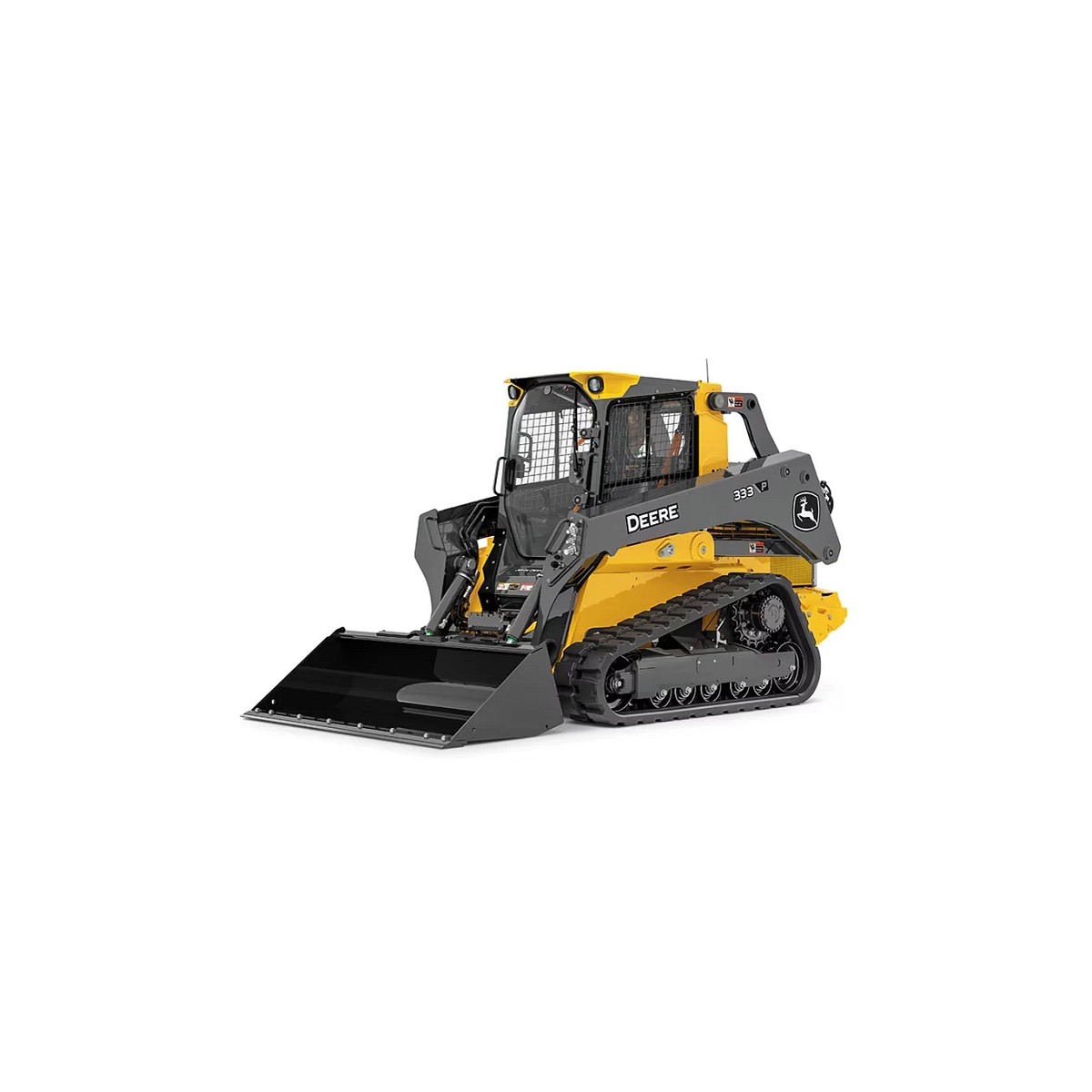
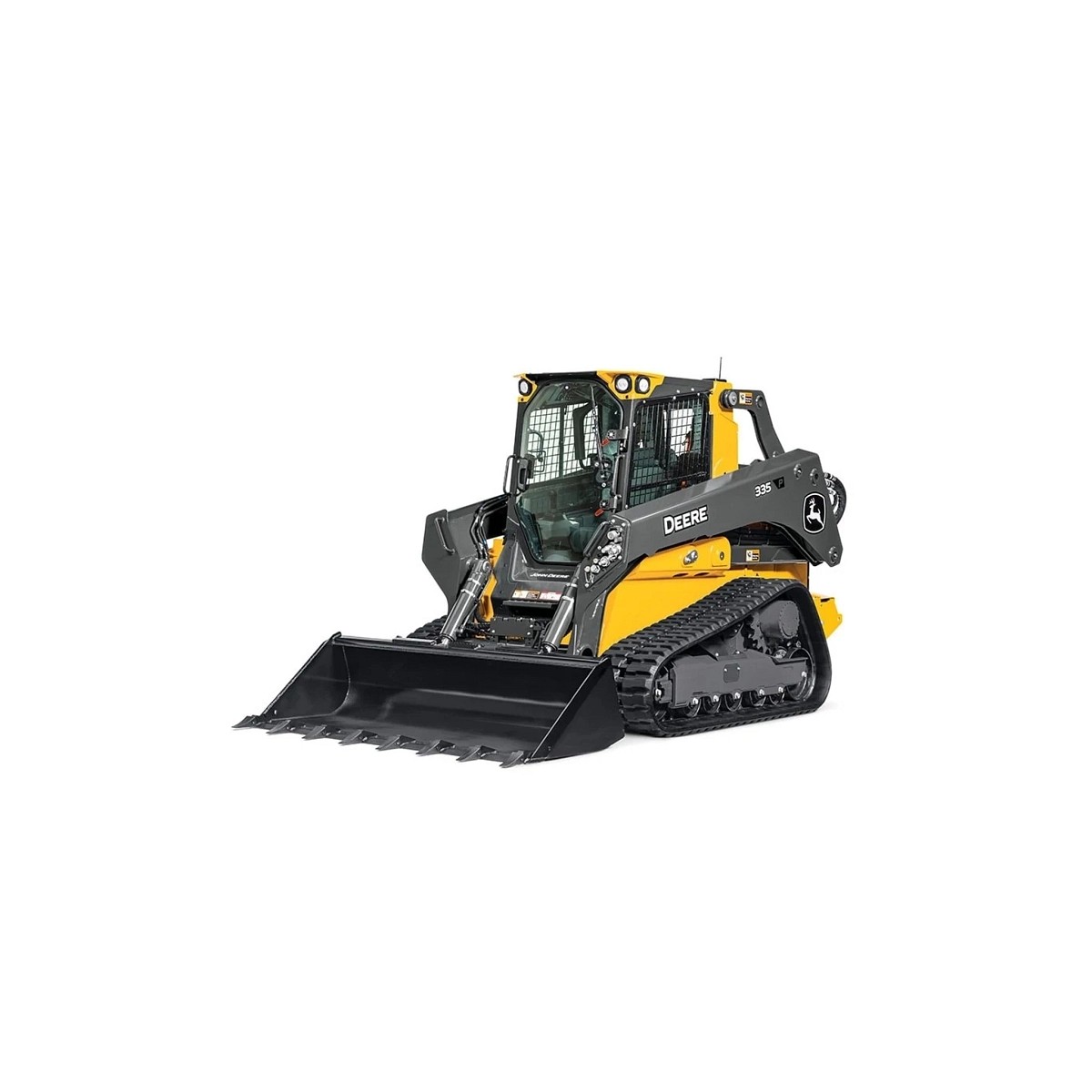
Quick take: The John Deere 333 P-Tier costs $9,000 less; the John Deere 335 P-Tier has a higher rated operating capacity (4,025 vs 3,850 lbs); the John Deere 335 P-Tier has more engine power (118 vs 108 hp).
| Spec | John Deere 333 P-Tier | John Deere 335 P-Tier |
|---|---|---|
| Price | $99,000 | $108,000 |
| Rating | 4.7★ (90) | 4.7★ (45) |
| Type | Compact Track Loader | Compact Track Loader |
| Lift Path | Vertical Lift | Vertical Lift |
| ROC | 3850 lbs | 4025 lbs |
| Engine HP | 108 hp | 118 hp |
| Operating Weight | 12183 lbs | 12300 lbs |
| Tipping Load | 11000 lbs | 11500 lbs |
| Lift Height | 132 in | 132 in |
| Hydraulic Flow | 25 GPM | 25 GPM |
| Engine | Yanmar 4TNV94FHT | Yanmar 4TNV94FHT |
| Tracks | Yes | Yes |
| Vertical lift | Yes | Yes |
| High-flow | Yes | Yes |
| Enclosed cab | Yes | Yes |
| Two-speed | Yes | Yes |
| Self-leveling | Yes | Yes |
| A/C & heat | Yes | Yes |
| Warranty | 2 yr / 2000 hr | 2 yr / 2000 hr |
Pros & cons
John Deere 333 P-Tier
- ✓The 108.5 hp turbo Yanmar out-muscles the 333G it replaced by 8%, and operators cutting pads report it carries a full six-way blade through heavy clay without losing track speed.
- ✓The 11,000 lb tipping load and 12,183 lb operating weight make it planted at full lift height, so loading tandems and feeding hoppers at the 132-inch hinge pin feels secure.
- ✓Factory SmartGrade with Topcon 3D turns it into a true grading machine - site-prep crews say it puts finish grade within a tenth without a dedicated grader on smaller pads.
- ✓The 36-gallon fuel tank runs a full day even under high hydraulic load, eliminating the mid-afternoon fuel stop that interrupted 333G mulching crews.
- ✓Attachment Manager automatically configures flow and pressure for recognized attachments, protecting expensive tools from being run at the wrong settings.
- ✗A SmartGrade-equipped unit with high-flow pushes well into six figures, territory where small dozers and used motor graders start to make financial sense.
- ✗The ROC gain over the 333G is modest on paper, so owners who don't need the new cab or SmartGrade see limited reason to trade a low-hour G-Series.
- ✗At over 12,000 lbs plus attachments, transport requires CDL-class towing, which complicates logistics for small outfits used to mid-frame machines.
- ✗First-year electronics have shown teething issues, and SmartGrade calibration problems in early builds required multiple dealer visits for some owners.
- ✗Undercarriage wear remains the dominant operating cost, and running the machine hard on rock or demolition sites eats tracks, rollers, and idlers quickly.
- ✗Tier 4 Final DEF and regen cycles add running cost, and the bigger engine consumes fuel noticeably faster than the mid-frame machines when working hydraulic attachments.
- ✗The high-tech cab and grade control mean more sensors and screens that only a dealer can diagnose, a concern for owners in remote areas.
John Deere 335 P-Tier
- ✓With 118 gross horsepower and over 100 hydraulic horsepower in high-flow trim, it's the most powerful CTL Deere has ever offered, and mulching crews report production rates rivaling dedicated forestry machines.
- ✓The 11,500 lb tipping load and 4,025 lb ROC handle loaded pallets, grapple loads, and full rock buckets that push smaller large-frames to their limit.
- ✓The optional SG96 dozer blade with SmartGrade turns it into a legitimate small-dozer alternative, letting one machine cut pads, then swap to forks or a mulcher the same day.
- ✓The 36-gallon fuel tank supports a genuine full day of high-load hydraulic work, a real advantage over competitors that need midday refueling on mulching jobs.
- ✓The long undercarriage and 12,300 lb operating weight keep it planted craning loads at the 132-inch hinge pin height, with stability that surprises operators moving up from mid-frames.
- ✓It undercuts the Cat 285 and Case TV620B on typical transaction price while offering comparable capability, making it strong value at the top of the market.
- ✗A SmartGrade, high-flow, dozer-blade machine prices well into six figures, so buyers need steady production work to justify it over a 331 or 333 P-Tier.
- ✗At 12,300 lbs bare and over 13,500 with the blade, transport demands CDL-class towing, which limits who can move it between jobs.
- ✗Fuel consumption under full hydraulic load is closer to a small dozer than a typical CTL, and owners report the 36-gallon tank is necessary rather than generous.
- ✗Undercarriage costs scale with the machine - tracks, rollers, and idlers for the big frame are among the priciest in the compact category.
- ✗Deere's dealer network skews agricultural in some regions, and construction-specific service expertise for SmartGrade issues can mean travel time for a tech.
- ✗Early buyers absorb both first-year software teething issues and unknown resale, a double risk on a machine this expensive.