Cat 255 vs Cat 260
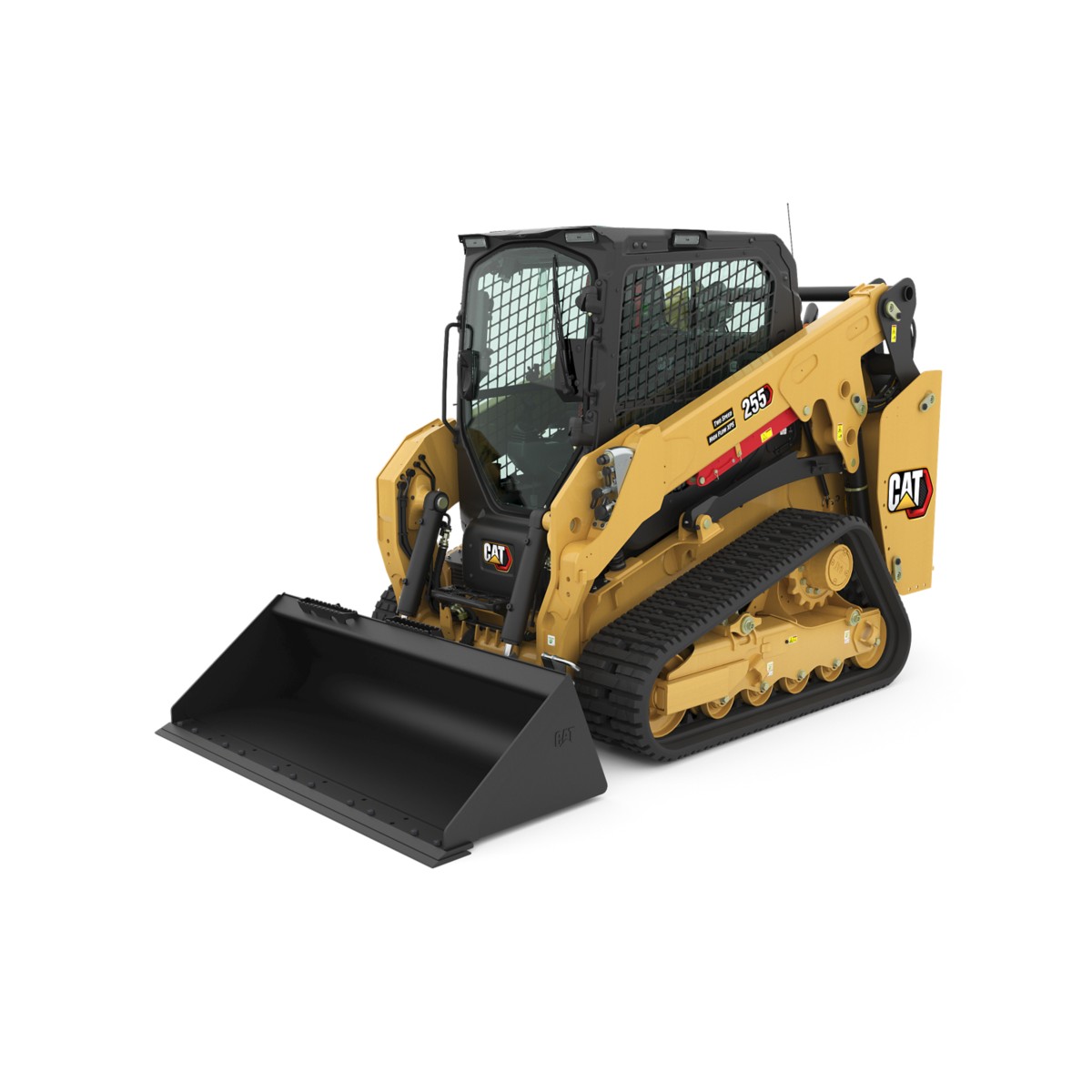
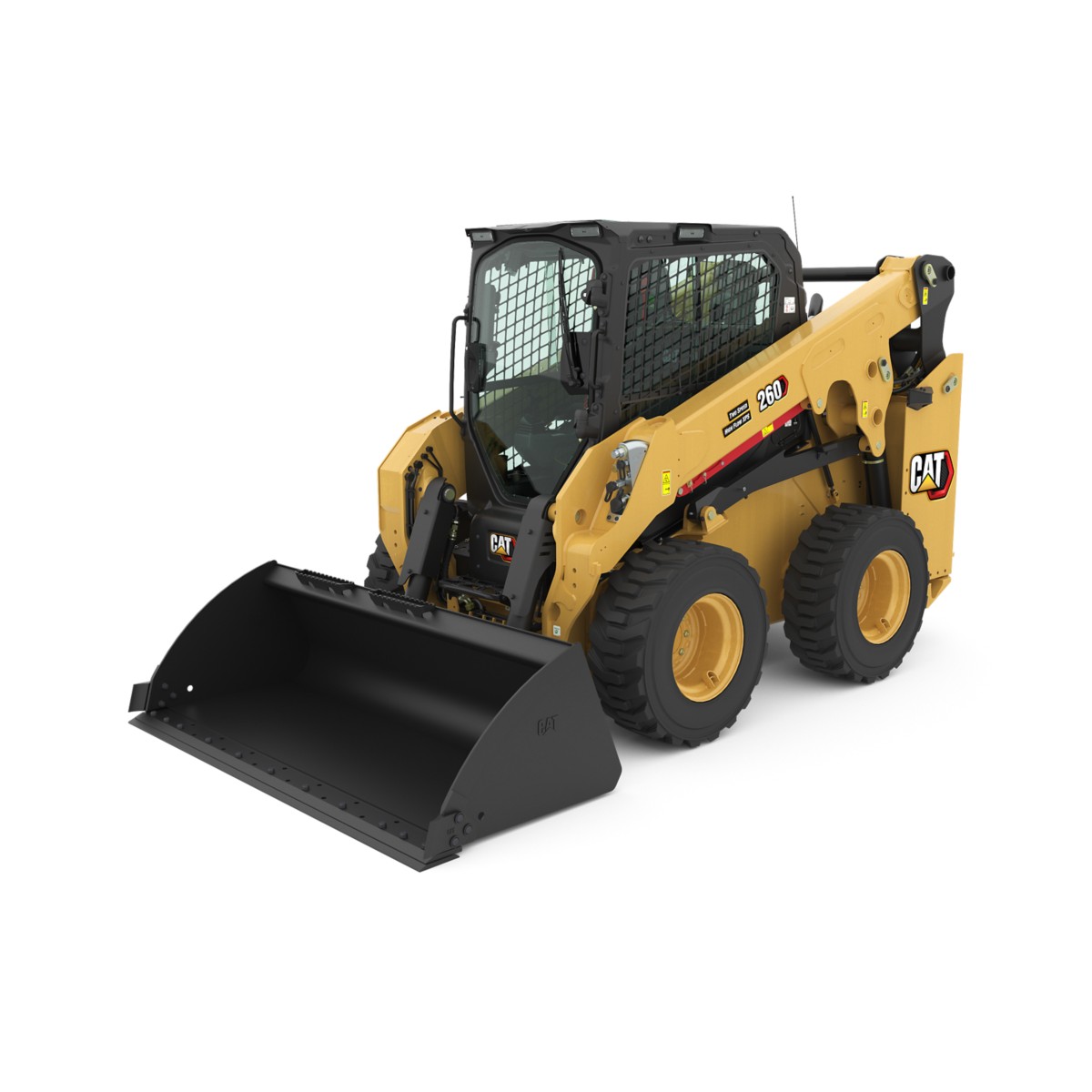
Quick take: The Cat 260 costs $8,000 less; the Cat 260 has a higher rated operating capacity (3,160 vs 2,499 lbs).
| Spec | Cat 255 | Cat 260 |
|---|---|---|
| Price | $82,000 | $74,000 |
| Rating | 4.6★ (210) | 4.6★ (130) |
| Type | Compact Track Loader | Wheeled Skid Steer |
| Lift Path | Vertical Lift | Vertical Lift |
| ROC | 2499 lbs | 3160 lbs |
| Engine HP | 74 hp | 74 hp |
| Operating Weight | 9578 lbs | 8523 lbs |
| Tipping Load | 7140 lbs | 6321 lbs |
| Lift Height | 124 in | 132 in |
| Hydraulic Flow | 20 GPM | 20 GPM |
| Engine | Cat C2.8T | Cat C2.8T |
| Tracks | Yes | No |
| Vertical lift | Yes | Yes |
| High-flow | Yes | Yes |
| Enclosed cab | Yes | Yes |
| Two-speed | Yes | Yes |
| Self-leveling | Yes | Yes |
| A/C & heat | Yes | Yes |
| Warranty | 1 yr / 1000 hr | 1 yr / 1000 hr |
Pros & cons
Cat 255
- ✓The 24% jump in rated operating capacity over the 259D3 (2,499 vs 2,000 lbs) is immediately noticeable when handling pallets of sod or block, and owners say it finally matches what competitors offered in this frame size.
- ✓Every standard-flow machine ships from the factory 'High Flow ready', so you can unlock 30 GPM later with a dealer enablement instead of regretting a spec decision at purchase time.
- ✓Tilt breakout force is up 36% and lift breakout 26% versus the 259D3, and operators digging in clay or prying out stumps say the machine feels like a size class bigger than it is.
- ✓The 124-inch bucket pin height is class-leading, and vertical lift with dual-direction self-leveling makes loading dump trucks and stacking pallets genuinely easier than the outgoing radial competitors.
- ✓The optional 8-inch touchscreen with standard rearview camera integration and Bluetooth is a big usability upgrade, and Product Link telematics come standard for tracking hours and location remotely.
- ✓The C2.8T stays under the 75 hp emissions threshold, so there's no DEF tank to fill - a running cost and complexity advantage owners specifically call out over 100+ hp machines.
- ✗Pricing jumped roughly 15% over the outgoing 259D3, and owners on equipment forums grumble that a well-optioned 255 now quotes well past $90k before attachments.
- ✗Standard auxiliary flow dropped to 20 GPM (the 259D3 had 23 GPM), so buyers running hungrier attachments are pushed into the High Flow enablement or XPS package to compensate.
- ✗At 9,578 lbs it's nearly 600 lbs heavier than the 259D3, which pushes some existing trailer setups over their rated capacity once you add a bucket and a second attachment.
- ✗Early-production machines had their share of software and touchscreen gremlins, and some owners report waiting on dealer flash updates to resolve monitor freezes and sensor faults.
- ✗The new electronics-heavy design worries buyers who keep machines 10+ years - there's simply more that can only be diagnosed and fixed at a Cat dealer.
- ✗There's no radial-lift option in the next-gen mid frame anymore, and operators who preferred the radial path's mid-lift reach for grading feel the lineup lost something.
- ✗Cat dealer parts and service pricing runs at a premium, and the sealed one-piece cab, while excellent, makes some repairs like glass replacement pricier than the old two-piece design.
Cat 260
- ✓Rated operating capacity jumps to 3,160 lbs from the 262D3's 2,700, a 17% gain that owners handling brick, seed, and fertilizer pallets notice immediately.
- ✓The 132-inch bucket pin height is a genuine truck-loading height for a mid-frame wheeled machine, clearing dump truck sides the 262D3 strained to reach.
- ✓Torque from the new C2.8T is dramatically improved over the old C3.3B, and operators report the 260 holds ground speed while backdragging and pushing where the D3 bogged.
- ✓The High Flow XPS option brings 34 GPM to a wheeled mid-frame, enough for planers and wheel saws that used to demand a larger, more expensive carrier.
- ✓The 8-inch touchscreen with switchable ISO/H controls, rearview camera, and standard telematics matches features Bobcat and Deere charge option money for.
- ✗Standard flow dropped to 20 GPM from the 262D3's 23 GPM, forcing buyers with existing attachments to double-check requirements or budget for the High Flow enablement.
- ✗The next-gen premium prices it against strong competition - a comparably equipped Bobcat S76 or Deere 330G often quotes lower, and owners say Cat dealers hold firm on price.
- ✗At 8,523 lbs it's a couple hundred pounds heavier than the 262D3, nudging total trailer loads closer to 10k limits once attachments come along.
- ✗Early production machines shared the next-gen line's software teething problems, with touchscreen freezes and sensor faults resolved only by dealer updates.
- ✗Buyers wanting more than 74 hp in a wheeled Cat have a big price gap to the 111 hp 270 - there's no intermediate 90 hp option like some competitors offer.