Cat 265 vs Cat 270
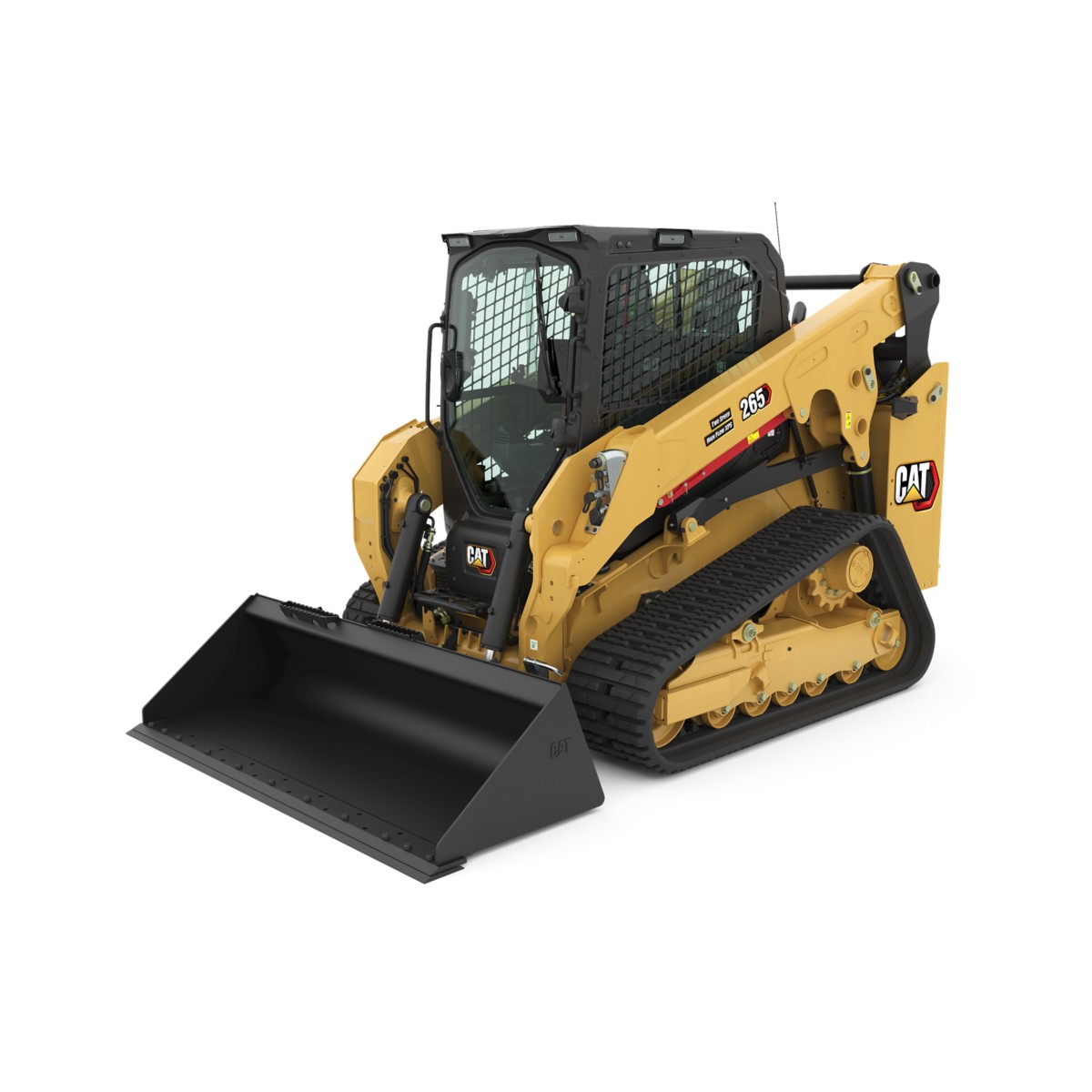
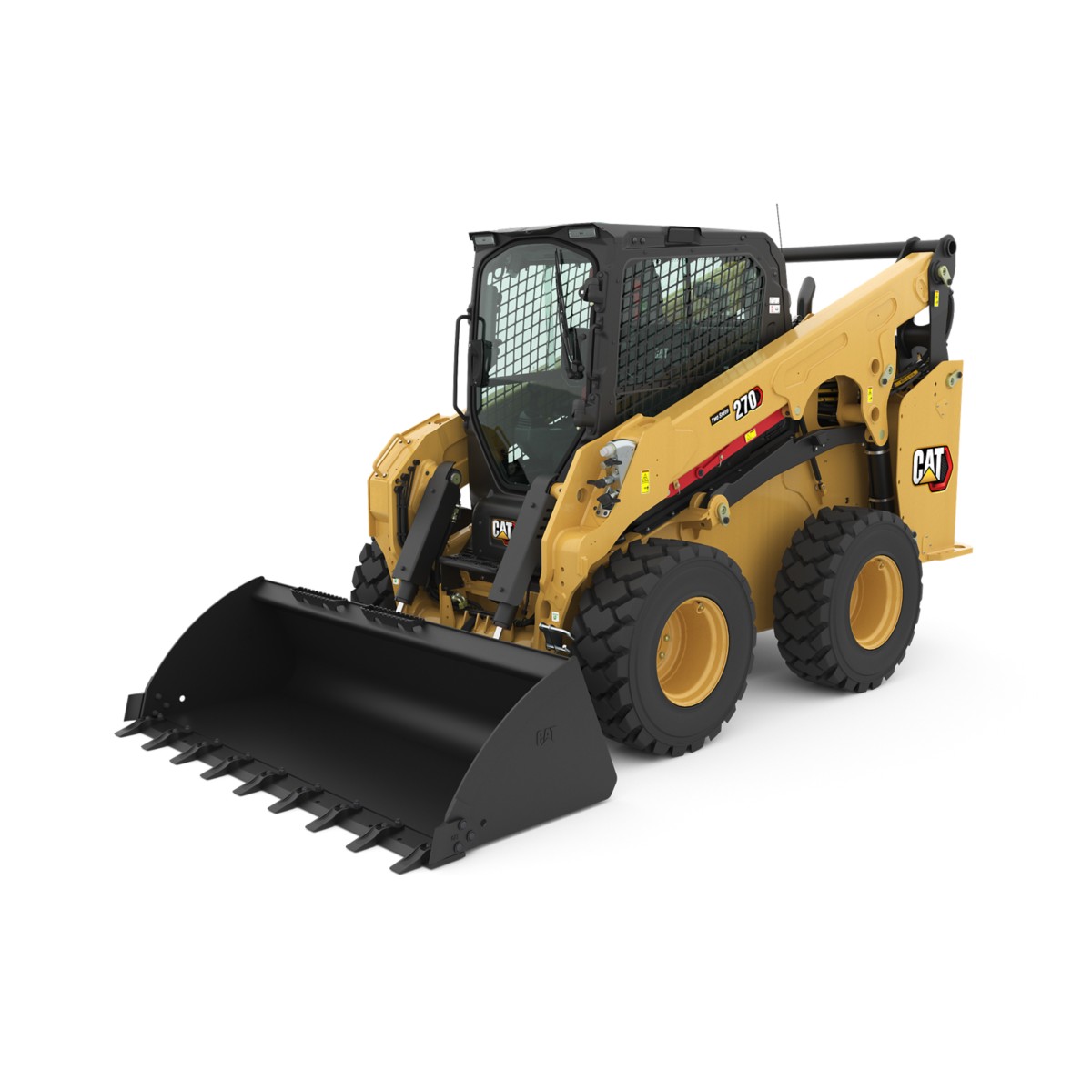
Quick take: The Cat 270 costs $5,000 less; the Cat 270 has a higher rated operating capacity (3,557 vs 2,823 lbs); the Cat 270 has more engine power (111 vs 74 hp).
| Spec | Cat 265 | Cat 270 |
|---|---|---|
| Price | $95,000 | $90,000 |
| Rating | 4.7★ (190) | 4.6★ (90) |
| Type | Compact Track Loader | Wheeled Skid Steer |
| Lift Path | Vertical Lift | Vertical Lift |
| ROC | 2823 lbs | 3557 lbs |
| Engine HP | 74 hp | 111 hp |
| Operating Weight | 10492 lbs | 10441 lbs |
| Tipping Load | 8066 lbs | 7114 lbs |
| Lift Height | 132 in | 134 in |
| Hydraulic Flow | 23 GPM | 23 GPM |
| Engine | Cat C2.8TA | Cat C3.6TA |
| Tracks | Yes | No |
| Vertical lift | Yes | Yes |
| High-flow | Yes | Yes |
| Enclosed cab | Yes | Yes |
| Two-speed | Yes | Yes |
| Self-leveling | Yes | Yes |
| A/C & heat | Yes | Yes |
| Warranty | 1 yr / 1000 hr | 1 yr / 1000 hr |
Pros & cons
Cat 265
- ✓The 43% torque increase over the 289D3 is the headline upgrade, and operators report the 265 pushes through heavy grading and cold-planing work that used to bog the old 74 hp machines down.
- ✓The High Flow XPS option delivers 34 GPM at 3,500 psi, letting the 265 run mulchers and planers that previously required stepping up to a 299D3-class machine.
- ✓The sealed, pressurized one-piece cab is dramatically quieter and cleaner than the D3 generation, and the optional heated/ventilated air-ride seat draws consistent praise for all-day comfort.
- ✓The C2.8TA stays under 75 hp so there's no DEF system to maintain - owners doing forestry and brush work especially value one less fluid and one less failure point.
- ✓Stability is noticeably improved over the 289D3 thanks to the longer track frame and 10,492 lb operating weight, and operators say side-slope mowing feels far more planted.
- ✗List pricing starts around $95k and well-optioned units push past $105k, a jump that has plenty of loyal Cat owners cross-shopping the Kubota SVL97-2 on price alone.
- ✗At 10,492 lbs before attachments it demands a heavy-duty trailer and a properly rated tow rig, and more than one owner has been surprised at the scales.
- ✗It keeps the 74 hp rating for emissions reasons, so despite the torque gains, buyers who want raw horsepower for high-production mulching still need the 111 hp 275/285.
- ✗Early-build machines saw touchscreen and sensor software glitches that required dealer flash updates, a sore spot for buyers who expected day-one Cat reliability.
- ✗The electronics-dense platform is harder to self-service than the D3s, effectively tying owners to Cat dealer diagnostics for anything beyond routine maintenance.
- ✗Undercarriage and track replacement costs on a machine this heavy are substantial, and owners note the wider tracks that improve flotation also wear faster on pavement.
Cat 270
- ✓The 111 hp C3.6TA with 333 lb-ft of torque is a major step over the 272D3's 98 hp, and operators running planers and wheel saws say it holds RPM under loads that stalled the old machine.
- ✓High Flow XPS delivers 34 GPM at up to 4,061 psi, making the 270 one of the most hydraulically capable wheeled skid steers ever offered by any brand.
- ✓The 3,557 lb ROC ties with class leaders, and the near-134-inch pin height loads tandem dumps with sideboards without piling material at the tailgate.
- ✓On pavement it does what no CTL can - milling, sweeping, and demolition work all day with cheap, fast tire changes instead of thousand-dollar track replacements.
- ✓The sealed pressurized cab with heated/ventilated air-ride seat and 8-inch touchscreen is a night-and-day upgrade over the 272D3's operator station.
- ✓Stability under heavy loads is excellent thanks to the 10,441 lb operating weight and long wheelbase, and operators note far less bounce at speed than smaller frames.
- ✓The 270 XE upgrade path means high-production buyers can stay on the same platform, parts, and dealer relationship when they need even more hydraulic output.
- ✗The 111 hp engine brings full Tier 4 Final aftertreatment - DEF, DPF, and regens - which the 74 hp models avoid, adding running cost and potential downtime.
- ✗At 10,441 lbs it's heavier than some compact track loaders, so the traditional 'wheeled machines are easy to tow' advantage largely disappears at this size.
- ✗Wheeled traction limits it to firm ground - owners doing dirt work concede the 275 CTL walks away from it the moment conditions get soft or wet.
- ✗Early-adopter reports include touchscreen and software quirks consistent with the rest of the next-gen rollout, requiring dealer flash updates to settle.
- ✗Its size and turning footprint make it clumsy in tight urban jobsites where a 260-size machine with the same 34 GPM XPS option covers most needs.