Cat 275 vs Cat 285
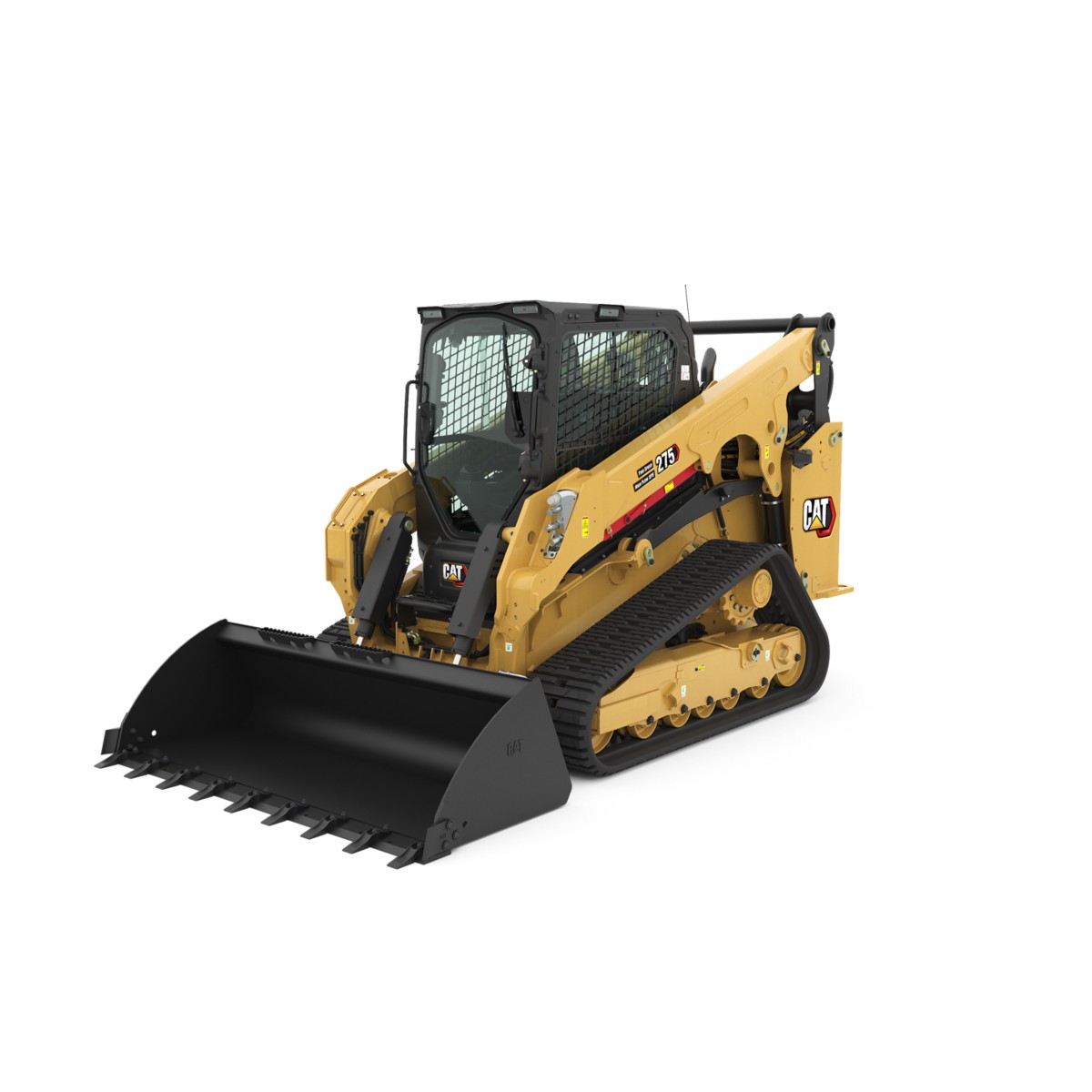
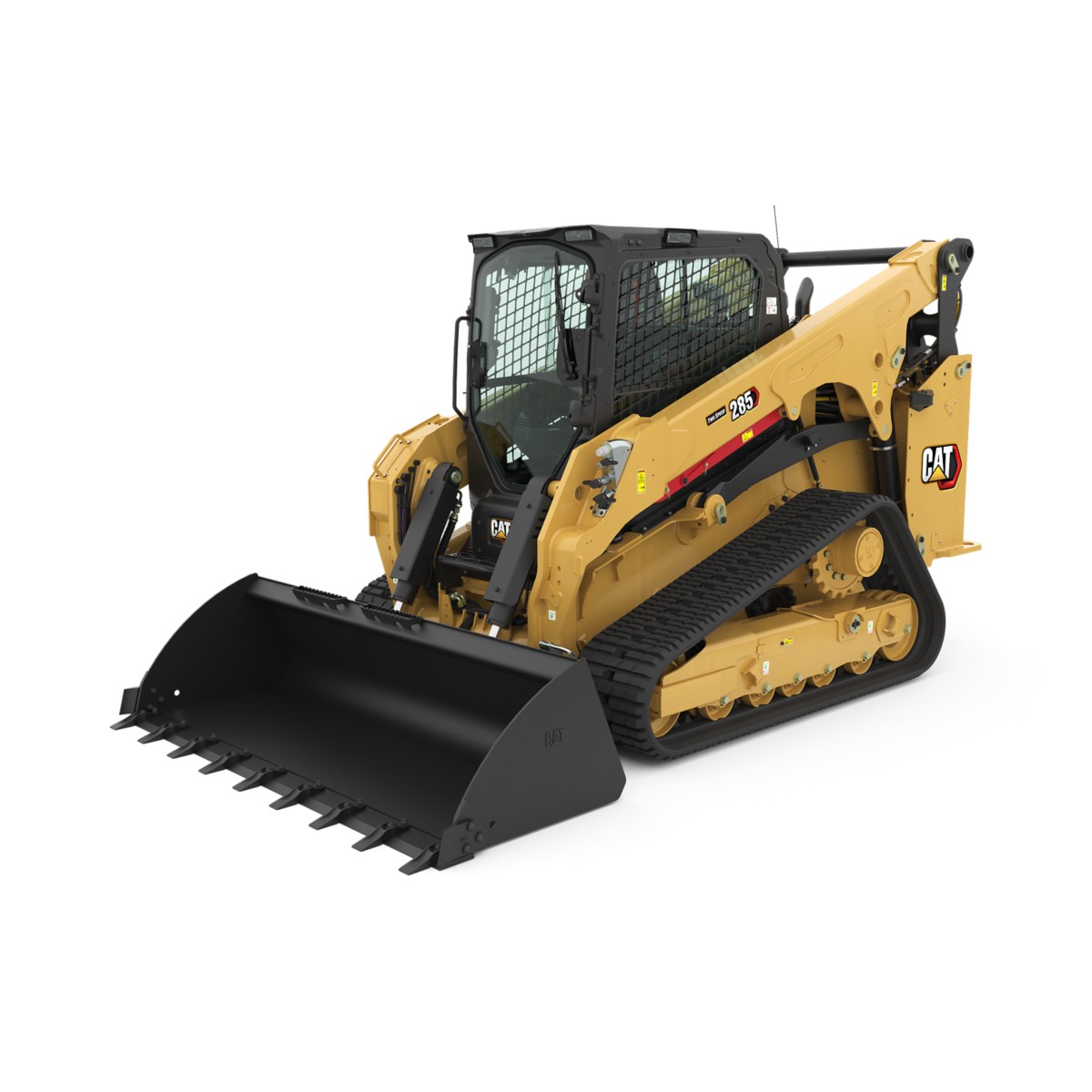
Quick take: The Cat 275 costs $10,000 less; the Cat 285 has a higher rated operating capacity (4,461 vs 4,156 lbs).
| Spec | Cat 275 | Cat 285 |
|---|---|---|
| Price | $112,000 | $122,000 |
| Rating | 4.7★ (120) | 4.8★ (95) |
| Type | Compact Track Loader | Compact Track Loader |
| Lift Path | Vertical Lift | Vertical Lift |
| ROC | 4156 lbs | 4461 lbs |
| Engine HP | 111 hp | 111 hp |
| Operating Weight | 12401 lbs | 13497 lbs |
| Tipping Load | 11874 lbs | 12745 lbs |
| Lift Height | 134 in | 147 in |
| Hydraulic Flow | 23 GPM | 23 GPM |
| Engine | Cat C3.6TA | Cat C3.6TA |
| Tracks | Yes | Yes |
| Vertical lift | Yes | Yes |
| High-flow | Yes | Yes |
| Enclosed cab | Yes | Yes |
| Two-speed | Yes | Yes |
| Self-leveling | Yes | Yes |
| A/C & heat | Yes | Yes |
| Warranty | 1 yr / 1000 hr | 1 yr / 1000 hr |
Pros & cons
Cat 275
- ✓The 4,156 lb rated operating capacity crushes the 299D3's 3,560 lbs, and owners moving pallets of block or full grapples of logs say the extra margin is obvious on the first day.
- ✓The 111 hp C3.6TA with 25%+ more torque than the old C3.8 keeps mulchers and cold planers at full RPM under load, and production-focused buyers report meaningfully faster acreage rates.
- ✓High Flow XPS delivers 34 GPM at 4,061 psi, among the strongest auxiliary hydraulic packages in the class, letting the 275 run attachments that used to require a dedicated mulching carrier.
- ✓The nearly 11,874 lb tipping load makes it extremely planted when craning heavy loads at full height, and operators say it out-lifts and out-stabilizes the Deere 333G they cross-rented.
- ✓The sealed one-piece pressurized cab with optional heated/ventilated air-ride seat is widely called the nicest operator station Cat has ever put in a compact machine.
- ✓The 8-inch touchscreen with rearview camera and standard Product Link telematics makes fleet management practical, with remote hour and fault monitoring built in.
- ✓The 275 XE option gives an upgrade path to even more power on the same platform, so high-production buyers aren't forced to another brand for a top-spec machine.
- ✗Pricing lands well into six figures optioned up, a serious jump over the 299D3 it effectively replaces, and buyers say quotes vary widely between dealers.
- ✗The 111 hp C3.6TA requires DEF and a full Tier 4 Final aftertreatment system, adding a fluid, sensors, and regen behavior that the sub-75 hp models avoid entirely.
- ✗As a newer platform, early adopters report software teething issues with the touchscreen and attachment recognition that needed dealer updates to sort out.
- ✗Undercarriage wear costs scale with the weight, and track and roller replacement on this frame is notably more expensive than on the mid-size machines.
- ✗The complexity of the electro-hydraulic systems means field fixes are rare - downtime usually means a dealer visit, which rural owners flag as their biggest worry.
Cat 285
- ✓The 146.6-inch bucket pin height is in a class of its own - operators can load silage trucks, hoppers, and full-size dump trucks with sideboards that force every other CTL to build a ramp.
- ✓With a 12,745 lb tipping load and 4,461 lb ROC at the conservative 35% rating, it handles loaded pallets and grapple work that previously required a small wheel loader.
- ✓The 111 hp C3.6TA with High Flow XPS at 34 GPM runs the biggest mulching heads and cold planers at full production, and land-clearing outfits report it holds RPM where the 299D3 sagged.
- ✓Stability at full height is remarkable for a tracked loader - the long undercarriage and 13,497 lb operating weight mean craning heavy loads doesn't produce the pucker factor of smaller frames.
- ✓The pressurized one-piece cab, heated/ventilated air-ride seat, and 8-inch touchscreen make 10-hour days genuinely comfortable, which matters most on exactly this kind of production machine.
- ✓Cat sized it to compete directly with the Case TV620B, and early comparisons favor the 285's cab, controls, and dealer support network by a wide margin.
- ✗At well over $120k typically equipped, it costs as much as a used dozer or wheel loader, and buyers have to be honest about whether they need this much CTL.
- ✗The 13,497 lb operating weight plus attachment puts the transport package beyond a standard 14k trailer - many owners need a 20k+ trailer and CDL-class towing to move it legally.
- ✗The C3.6TA's Tier 4 Final aftertreatment means DEF, DPF regens, and sensor complexity - the running-cost simplicity of the 74 hp models is gone at this tier.
- ✗Ground disturbance and turf damage are real - despite tracks, this much weight tears up finished lawns and soft ground that a mid-frame machine would cross cleanly.
- ✗It's simply too big for tight residential work, backyard access, or interior demolition, so it only makes sense as a production machine with consistent heavy work.
- ✗Early-production units saw the same touchscreen and software teething problems as the rest of the next-gen line, with fixes arriving via dealer flash updates.