Caterpillar
Cat 275
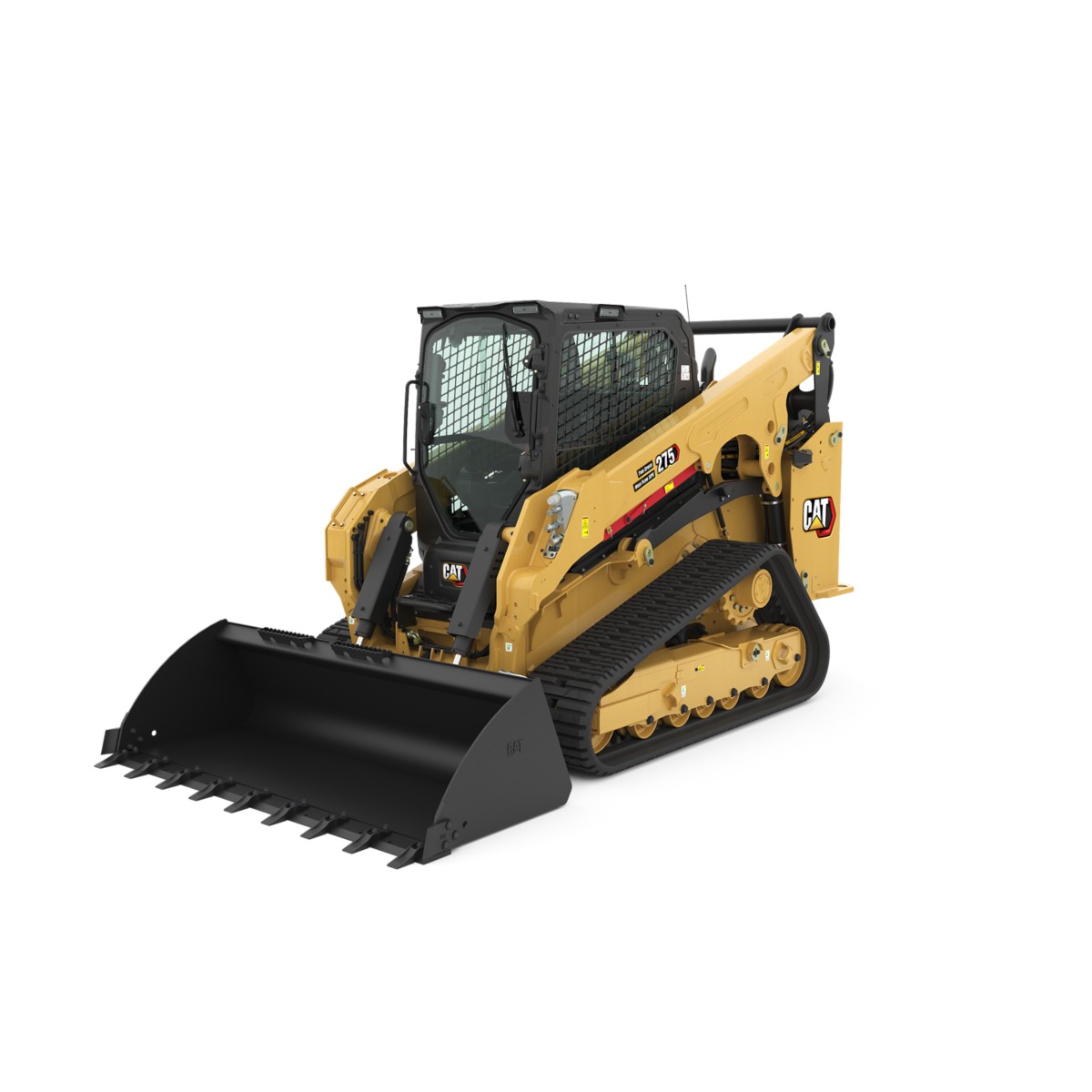
The bright segment is what Cat 275 is rated to carry; the grey run past it is the rest of its tipping load. Bar length is tipping load drawn to the same scale on every machine on the site, so a short bar is a smaller machine and not a conservative rating.
One caveat on this machine: we could not find a published tipping load for it, so the figure above is its advertised capacity divided by the fraction its maker rates at. That makes the grey run arithmetic rather than a measurement, and it is the number worth asking a dealer to confirm.
Cat's large-frame CTL class gets the next-generation redesign in the 275, effectively succeeding the 289D3 and 299D3 with a 111 hp C3.6TA engine and a 4,156 lb rated operating capacity. High Flow XPS pushes 34 GPM at up to 4,061 psi, and a higher-powered 275 XE variant sits above it for maximum attachment production.
Suits: Production-focused contractors running mulchers, planers, and heavy attachments all day Its vertical lift path reaches highest at full extension, for loading high-sided trucks and stacking.
Lifting and reach
- Rated operating capacityTrack loader rating convention
- 4,156 lbs
- Tipping loadDerived from the advertised capacity, not published
- 11,874 lbs
- Lift height to hinge pin
- 134 in
- Lift path
- Vertical Lift
- Operating weight
- 12,401 lbs
Power and hydraulics
- Engine power
- 111 hp
- Engine
- Cat C3.6TA
- Auxiliary flowStandard circuit
- 23 GPM
- Flow type
- Standard
- Warranty
- 2 yr / 2,000 hr
Fitted or available
What this machine can be ordered with. Some of these are standard and some cost extra, and which is which moves between trim levels, so check them against the quote rather than against this list.
What owners report
Summarised from the sources listed below. Nothing here was tested by us.
Production work is the brief here. Replacing the 299D3 at the top of Cat's conventional track loader range, it brings 4,156 lb of rated capacity at 35% of tipping load and 134.4 inches of pin height — eight inches more reach than the machine it supersedes, with a 37% increase in tilt breakout force behind it. Owners moving pallets of block, full grapples of timber or bulk material all day are the intended buyer, and the step up from the previous generation is large enough to be obvious rather than marginal.
Two changes carry most of the improvement. The C3.6TA engine makes about 50% more torque than the C3.8 it replaces and holds power across a broader rpm range, which is the difference between an attachment working steadily and one that stalls the engine every time the load spikes. The standard E-bar undercarriage is the other: an equalizer bar deliberately splitting the difference between a rigid frame, which you want when craning at height or grading, and an oscillating one, which you want crossing rough ground. The cab is 22% larger with a much bigger rear window. On the maintenance side, the theme owners return to on Cat compacts is fuel cleanliness — the high-pressure common-rail system punishes low fuel pressure through its injectors, and the prior generation had lift pump trouble, so filters are not a corner to cut. The offset is the dealer network, which owners cite specifically: deep technician benches and genuinely old parts still stocked.
Consistent heavy work makes the case, if what you want is the lift and stability without the 285's weight and transport bill. Against the 275 XE, the decision is simple and worth getting right: the XE costs roughly $30,000 more, reaches exactly the same height with essentially the same capacity, and returns that premium only through a bigger hydraulic circuit — so if you are not running a mulcher or large planer most of the day, this is the machine to buy and the XE is not. Before signing, decide on High Flow XPS up front rather than discovering the standard 23 GPM circuit is short, confirm your trailer handles 12,401 lb plus attachment, and get a price on a track and roller set so the running cost is in your numbers from the start.
What owners like
- 4,156 lb of rated capacity at the conservative 35% of an 11,874 lb tipping load, with 134.4 inches of pin height — eight inches more than the 299D3 it replaces, alongside a 37% gain in tilt breakout force and a 19% gain in rated capacity.
- The C3.6TA makes 370 lb-ft, roughly 50% more torque than the C3.8 in the outgoing D3 series, and holds output across a wider rpm band. That is what stops a planer or a mulcher from dragging the engine off its power curve mid-cut.
- The E-bar equalizer-bar undercarriage is standard and is the substantive engineering change: rigid-style stability when lifting heavy or grading to a line, oscillating behaviour when it meets obstacles and ruts.
- High Flow XPS is offered at 34 GPM and 4,061 psi, which brings most high-flow attachments into reach — just budget for it deliberately, because the standard circuit is 23 GPM at 3,500 psi.
- Dealer depth is the reason owners give for paying Cat money. One branch describes 30 shop technicians and 15 field service people working out of a single location, with parts for the earliest skid-steer generations still carried on the shelf.
- Standard coverage is two years or 2,000 hours, and the 275 XE sits on the same platform if the hydraulic requirement grows later, so a high-flow upgrade does not mean changing brands or dealers.
What owners complain about
- Around $112,000 base is a significant step up from the 299D3 it effectively replaces, and the 285 above it adds twelve inches of lift for roughly $10,000 more. Price both before signing rather than after.
- The 111 hp C3.6TA requires DEF and the full Tier 4 Final aftertreatment. Cat's sub-75 hp compacts run a diesel oxidation catalyst with no fluid to buy and no tank to fill, and that running-cost simplicity is gone here.
- Owners of Cat compacts are emphatic about fuel filter discipline, because low fuel pressure on a high-pressure common-rail system is hard on injectors, and the previous generation had a reputation for electric lift pump trouble. Clean fuel is cheaper than an injector set.
- 12,401 lb plus an attachment is past a 14,000 lb trailer, and undercarriage and roller replacement on a frame this heavy costs meaningfully more than on a mid-size machine.
Drawn from cat.com, constructionequipmentguide.com, foleyinc.com, constructionequipment.com, redpowermagazine.com, compactequip.com.
What buyers ask
How much better is it than the 299D3 it replaces?
Do I need High Flow XPS or will the standard hydraulics do?
Should I buy the 275 or step up to the 275 XE?
What is the E-bar undercarriage and does it matter?
What maintenance do owners say to stay ahead of?
Is the Cat premium worth it over cheaper track loaders?
Put the Cat 275 against
Machines in the same range
The rest of the Caterpillar line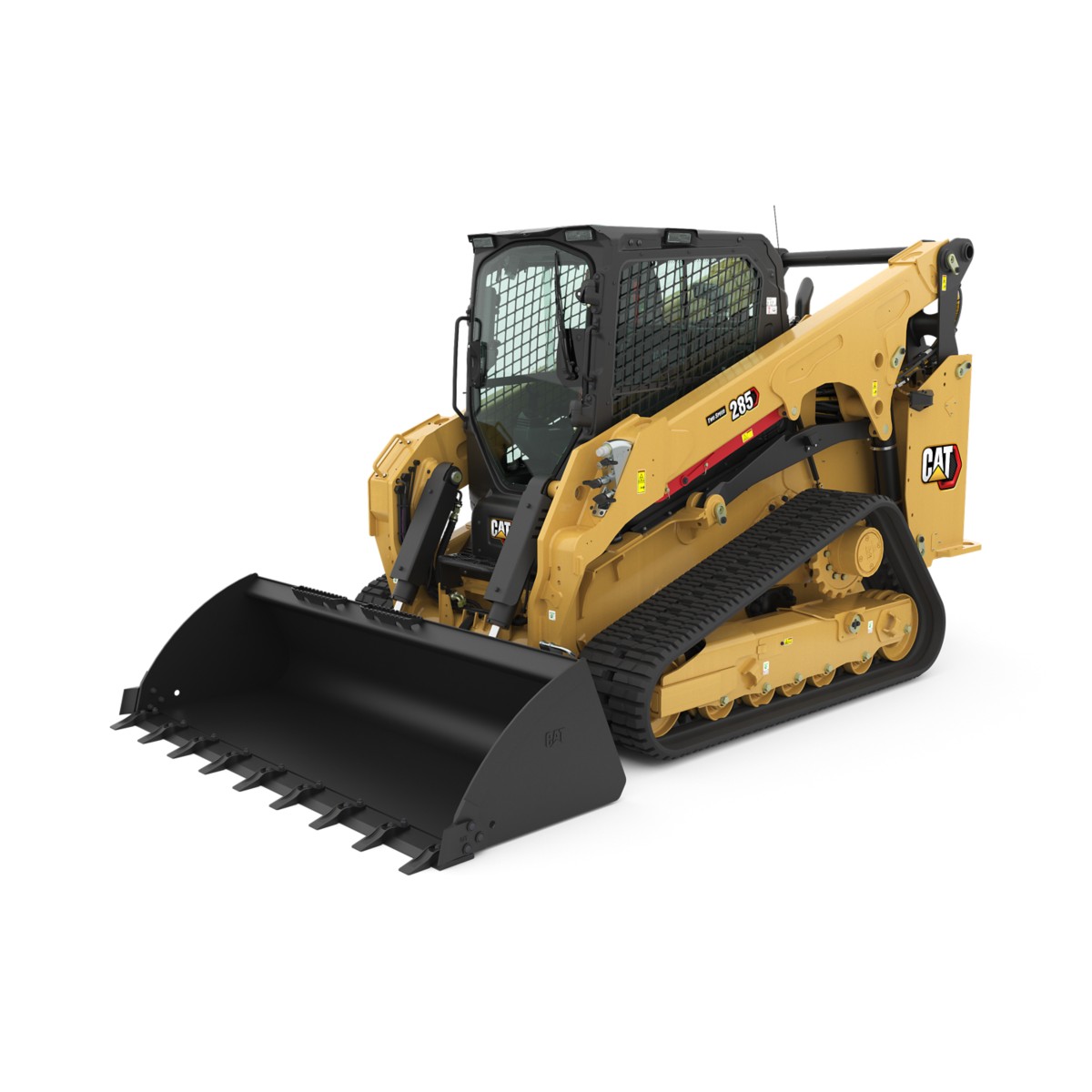
Caterpillar
Cat 285
$122,000
- Engine
- 111 hp
- Aux flow
- 23 GPM
- Weight
- 13,497 lbs
No Caterpillar compact track loader has ever been bigger than the 285, which tops the next-generation lineup above the 275 and competes in a new class size against machines like the Case TV620B. Its 146.6-inch bucket pin height and 4,461 lb rated operating capacity let it load full-size trucks and hoppers that no previous Cat CTL could reach, with a 285 XE variant above it for maximum power.
Full sheet & owner reports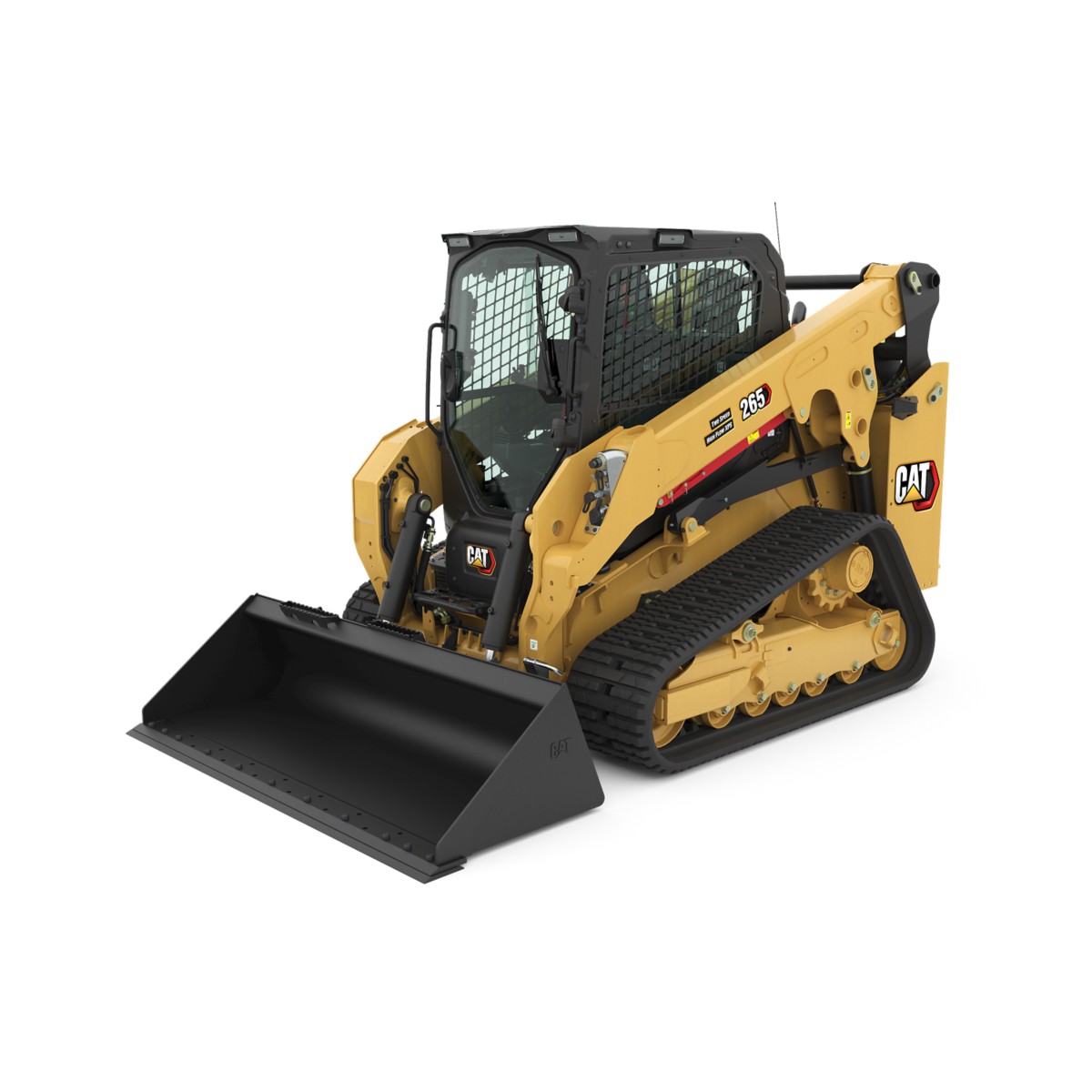
Caterpillar
Cat 265
$95,000
- Engine
- 74 hp
- Aux flow
- 23 GPM
- Weight
- 10,492 lbs
Larger of the first two next-generation Cat compact track loaders, the 265 replaces both the 279D3 and 289D3. Its turbo after-cooled C2.8TA delivers a 43% torque increase over the outgoing models, and the vertical-lift arms reach a 132-inch pin height, with High Flow XPS pushing 34 GPM for demanding attachments.
Full sheet & owner reports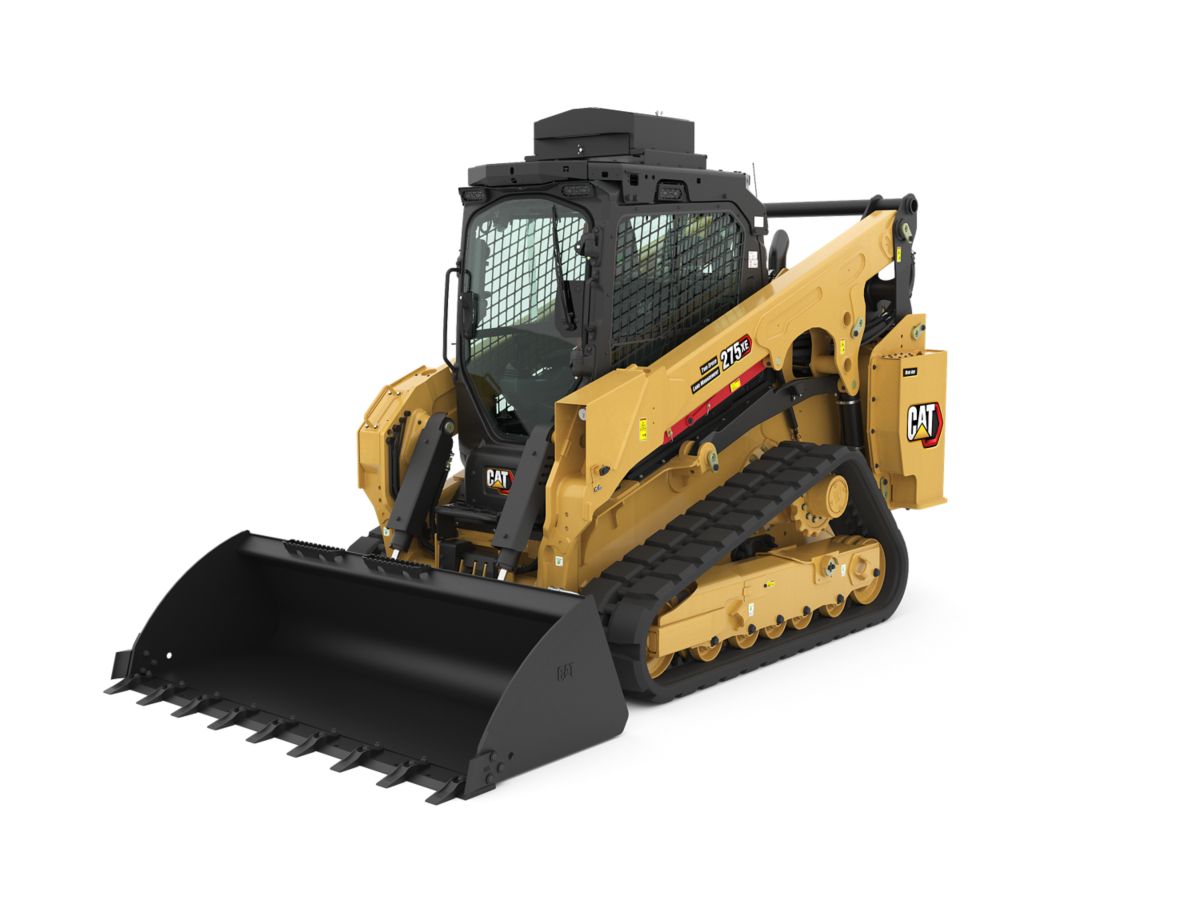
Caterpillar
Cat 275 XE
$142,446
- Engine
- 122 hp
- Aux flow
- 23 GPM
- Weight
- 12,705 lbs
Sitting above the 275 in Cat's large-frame track loader range, the XE adds the top 40 GPM auxiliary package at 4,496 psi and a higher-output tune of the 122 hp C3.6. Land-clearing and mulching outfits are the buyers; for anything else the premium buys hydraulics you will not use.
Full sheet & owner reports