Head to head
JCB 215 against JCB 270
The JCB 215 saves $6,100; the JCB 270 carries 613 lb more once both are rated the same way; the JCB 270 moves 5.3 GPM more through the auxiliary circuit.
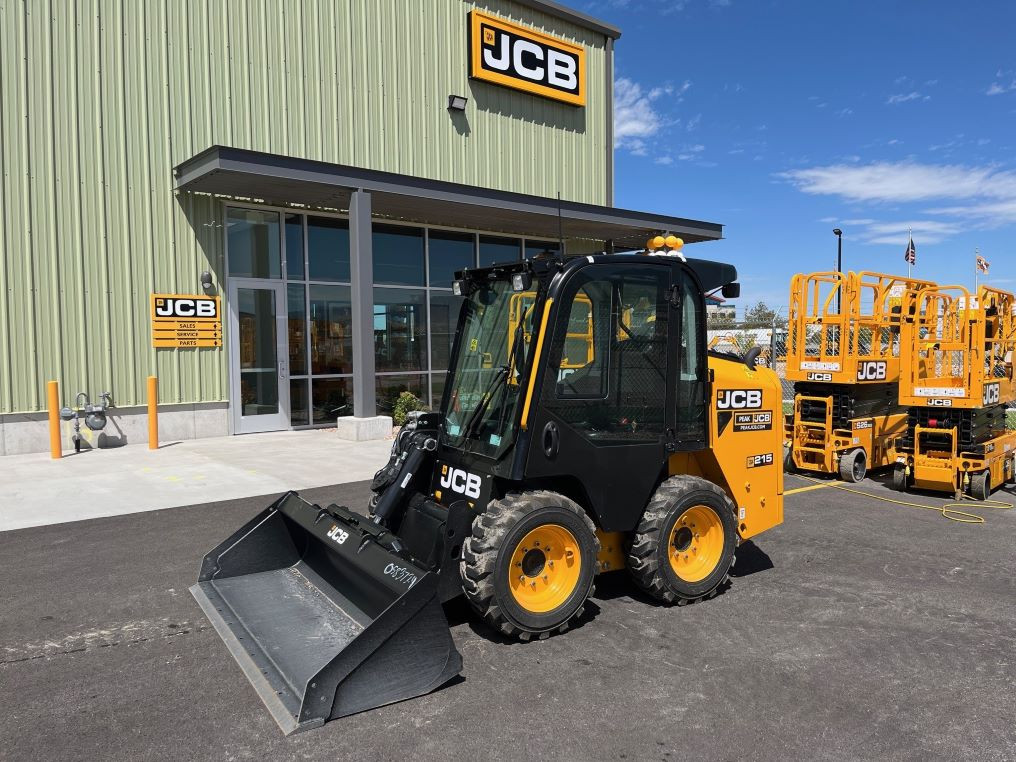
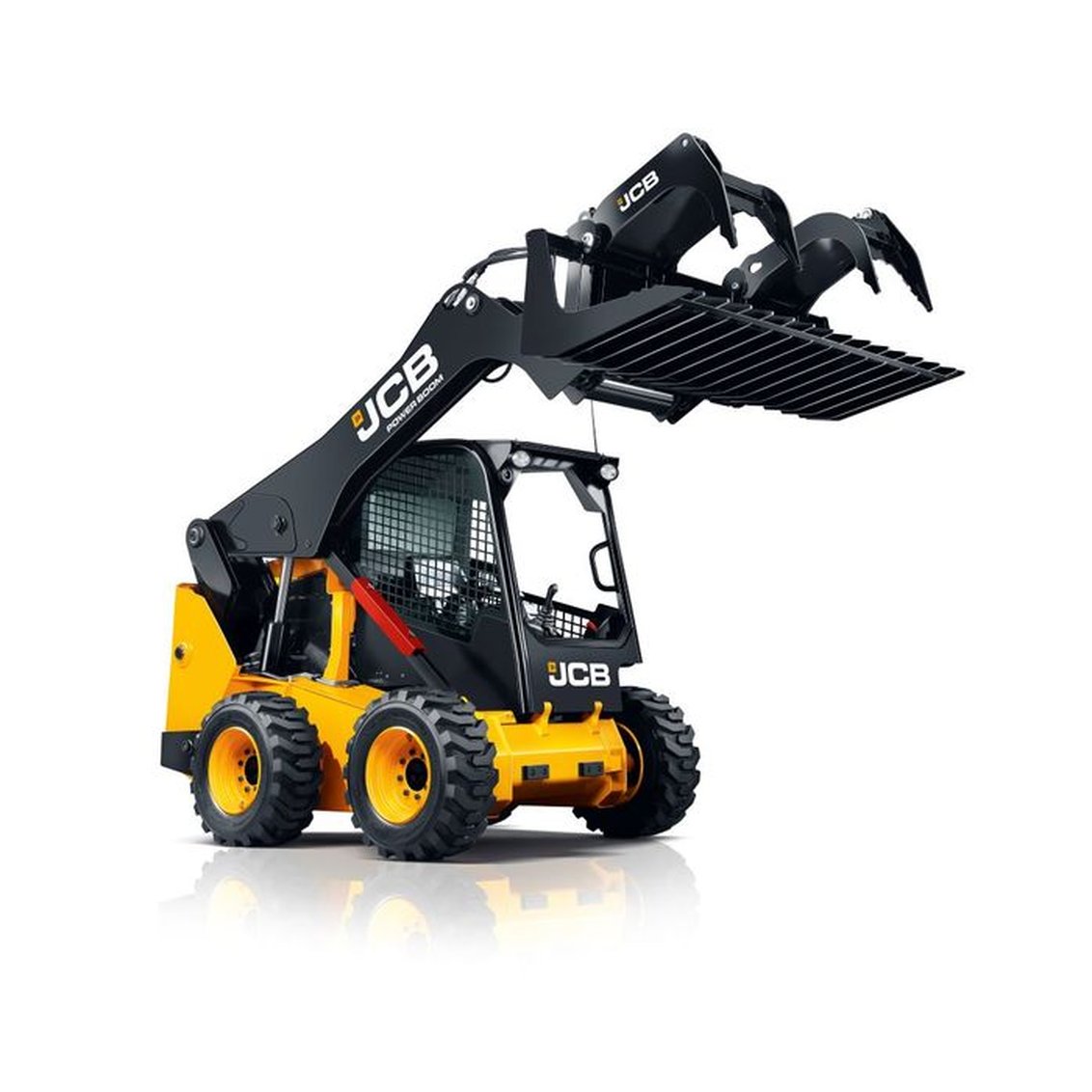
| Spec | JCB 215 | JCB 270 |
|---|---|---|
| Price | $44,390 | $50,490 |
| Rated capacity, as advertised | 2,112 lbs | 2,723 lbs |
| Rated at | 50% of tipping load | 50% of tipping load |
| Tipping load | 4,222 lbs | 5,448 lbs |
| Capacity at its class convention | 2,111 lbs | 2,724 lbs |
| Engine power | 74 hp | 74 hp |
| Engine | JCB by Kohler 2.5L | JCB EcoMAX TCAE-55 |
| Auxiliary flow | 18.5 GPM | 23.8 GPM |
| Lift height | 118 in | 126 in |
| Operating weight | 7,253 lbs | 8,680 lbs |
| Lift path | Vertical Lift | Vertical Lift |
| Rubber tracks | No | No |
| High flow available | Yes | Yes |
| Enclosed cab available | Yes | Yes |
| Two-speed travel available | Yes | Yes |
| Self-levelling available | Yes | Yes |
| A/C and heat available | Yes | Yes |
| Warranty | 2 yr / 2,000 hr | 2 yr / 2,000 hr |
What owners say about each
JCB 215
- The single-arm PowerBoom eliminates the right-side loader arm, giving up to 60% better all-around visibility and far fewer blind spots in tight quarters.
- The 74 hp JCB by Kohler turbo diesel meets Tier 4 Final with no DPF or DEF, so there are no regen cycles and no emissions fluid costs.
- Vertical lift geometry with a 118-inch hinge pin loads trucks cleanly - strong reach at height for a small-platform machine.
- An 18.5 GPM standard circuit with a 30 GPM high-flow option runs a wide attachment range that small-frame rivals can't match.
- At 7,253 lbs it's light enough to tow behind a well-equipped three-quarter-ton pickup, unlike the heavier Teleskid and track models.
- JCB publishes a starting price of $44,390, which undercuts comparable vertical-lift machines from Bobcat and Cat while keeping the side door and the single-arm sightlines.
- The single-arm boom still meets skepticism from traditional buyers, and some avoid it on looks alone despite JCB's engineering record.
- JCB's compact-line dealer network is thinner than Bobcat's, Cat's, or Deere's in much of rural America, slowing parts and warranty work.
- The 2,112 lb rated capacity is midpack, and operators who regularly move heavy pallets will want the larger 270 or 300.
- The left-side door is the only entry, so parking tight against an obstacle on that side keeps you out of the cab.
- Wheels limit it on mud and soft ground where the 215T track version keeps working.
- Electro-hydraulic controls and electronics add complexity that's harder to field-diagnose than older pilot-control machines.
- The 18.5 GPM standard flow is only average, and hungry attachments require paying up for the high-flow option.
JCB 270
- The single-arm PowerBoom removes the right-side loader arm entirely, delivering roughly 60% better visibility and JCB's Hi-Viz sightline to the bucket edge.
- The 74 hp EcoMAX engine hits Tier 4 Final with no DPF and no DEF, so there are zero regen interruptions and no emissions fluid to buy - rare in the large-frame class.
- The 2,723 lb rated capacity and 126-inch hinge pin height load dump trucks and stack pallets confidently for a wheeled machine.
- A 23.8 GPM standard auxiliary circuit is generous at this size, and an optional high-flow package covers hungry attachments like cold planers and snow blowers.
- Two-speed travel tops out around 12 mph, making ground-to-ground moves across large sites and farmyards genuinely quick.
- The one-piece boom is inherently rigid, and JCB's telehandler DNA shows in how little slop develops even after hard hours.
- JCB's compact dealer coverage is thinner than Bobcat's or Cat's across much of the U.S., slowing parts availability and warranty service.
- At 8,680 lbs it's on the heavy side for its rated capacity - some rivals lift more per pound of machine.
- The left-side door is the only entry, so an obstruction on that side means no way into the cab.
- Wheels limit it in mud and on torn-up ground where the tracked 270T keeps working.
- Electro-hydraulic controls and the digital display add complexity that's harder to field-diagnose than older machines.
- High-flow is optional rather than standard, so buyers running demanding attachments pay extra to unlock the machine's potential.