Head to head
JCB 3TS-8T Teleskid against JCB 400T
The JCB 3TS-8T Teleskid saves $7,890; the JCB 400T carries 299 lb more once both are rated the same way.
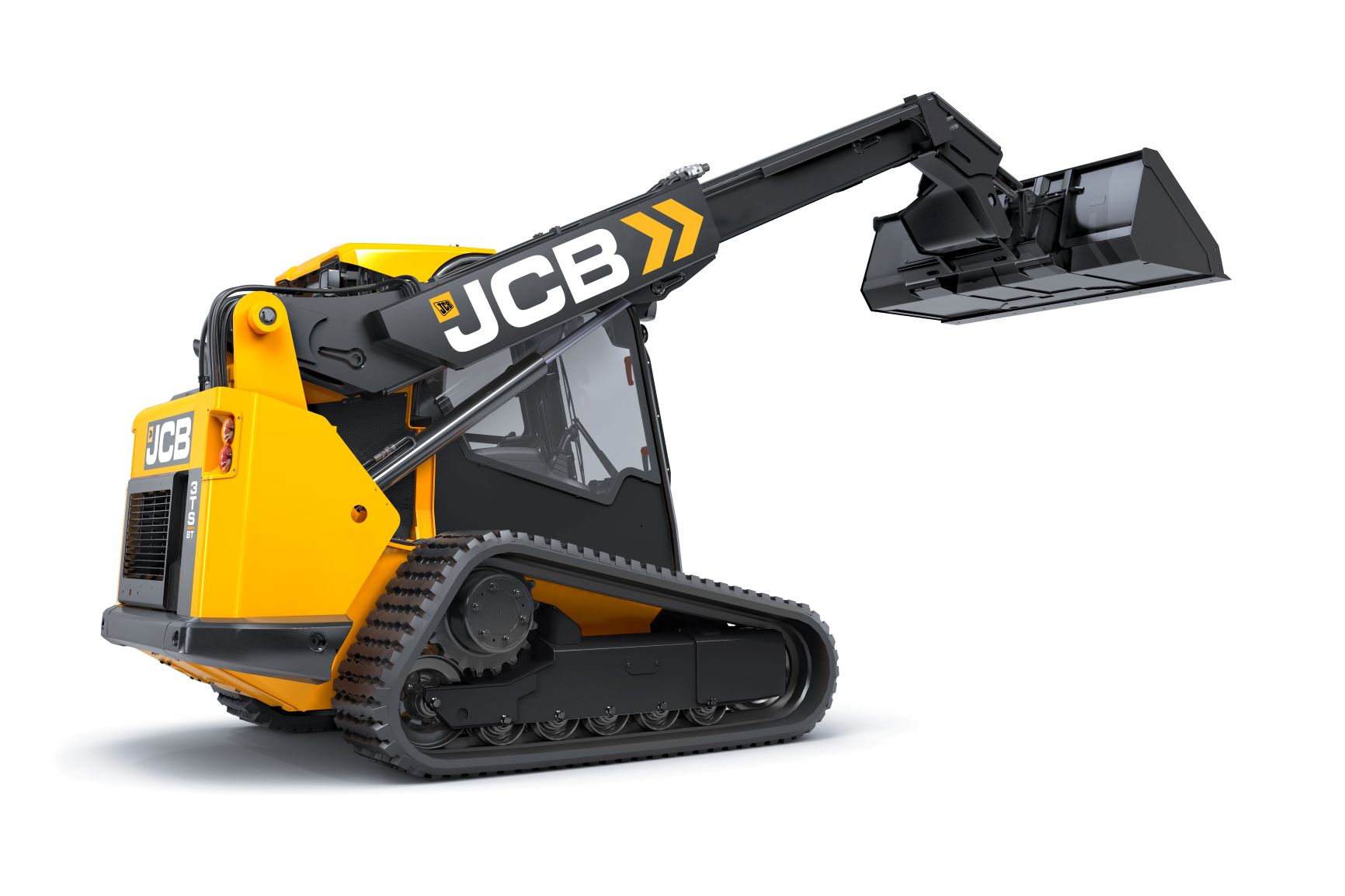
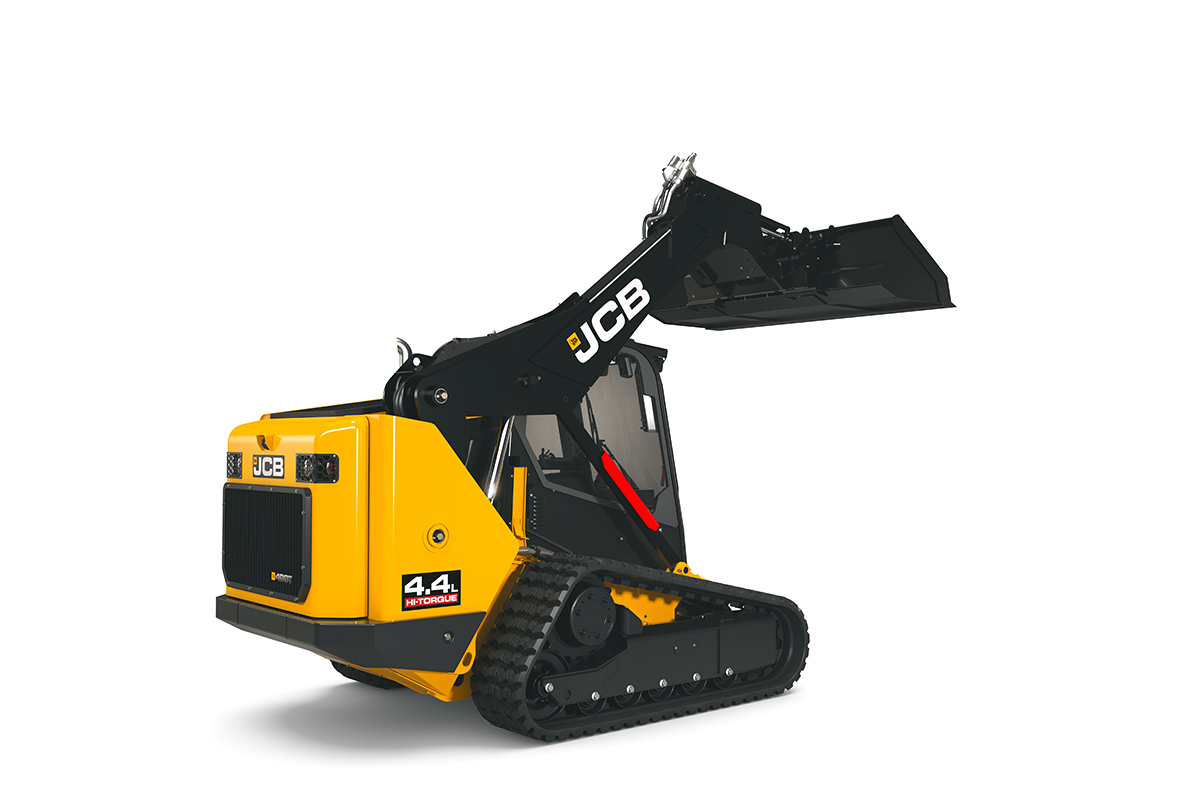
| Spec | JCB 3TS-8T Teleskid | JCB 400T |
|---|---|---|
| Price | $92,000 | $99,890 |
| Rated capacity, as advertised | 3,695 lbs | 3,994 lbs |
| Rated at | 35% of tipping load | 35% of tipping load |
| Tipping load | 10,558 lbs | 11,411 lbs |
| Capacity at its class convention | 3,695 lbs | 3,994 lbs |
| Engine power | 74 hp | 109 hp |
| Engine | JCB EcoMAX | JCB EcoMax 4.4L |
| Auxiliary flow | 24 GPM | 24 GPM |
| Lift height | 159 in | 123 in |
| Operating weight | 12,615 lbs | 12,544 lbs |
| Lift path | Radial Lift | Vertical Lift |
| Rubber tracks | Yes | Yes |
| High flow available | Yes | Yes |
| Enclosed cab available | Yes | Yes |
| Two-speed travel available | Yes | Yes |
| Self-levelling available | Yes | Yes |
| A/C and heat available | Yes | Yes |
| Warranty | 2 yr / 2,000 hr | 2 yr / 2,000 hr |
What owners say about each
JCB 3TS-8T Teleskid
- The telescopic boom is genuinely unique — 13'3" of lift height and 8 feet of forward reach let it stack bales two-high, load feed mixers, and reach across trailers in ways no conventional skid steer can.
- The side-entry door means operators never crawl over the attachment or under a raised boom, and owners call it a game-changing safety and convenience feature after living with front-entry machines.
- It can dig 3 feet below grade with the boom extended, letting it backfill from one side of a trench or unload from a single trailer side — party tricks that replace a second machine on some jobs.
- The JCB EcoMAX engine hits 74 hp without a DPF or DEF, so there are no regen interruptions or fluid top-offs, which owners burned by emissions headaches specifically appreciate.
- The single-arm PowerBoom is made of high-tensile steel with a huge cross-section, and JCB's decades of backhoe and telehandler experience show in the boom's rigidity.
- Visibility is exceptional — with no right-side boom arm and a big glass area, operators report a 60% better view than conventional twin-arm skid steers.
- The US Marine Corps selected the Teleskid for its Multi-Terrain Loader program, a durability endorsement owners like to cite.
- Capacity at full extension drops to around 1,600 lb, and buyers expecting to lift heavy pallets at maximum reach are consistently disappointed — the big rated number only applies with the boom retracted.
- At around $92,000 it costs flagship-CTL money, and forum users repeatedly question whether the reach justifies the price unless you truly need it weekly.
- The single-side boom concentrates weight on one side, and operators cutting grades report the machine leaning toward the boom side until they adapt.
- The telescoping boom adds wear points, and JCB has revised the boom design over the years to address slop and wear at the extension points.
- Some owners report quality-control irritations like A/C and sensor faults that took multiple dealer visits to resolve.
- At over 12,600 lb it's the heaviest machine in its class, requiring a serious truck and trailer to move between jobs.
JCB 400T
- The single-arm PowerBoom and side-entry door mean operators never climb over an attachment or under a raised boom - JCB claims up to 60% better sightlines than twin-arm machines, and the boom carries a lifetime warranty.
- The 109 hp 4.4L EcoMax engine hits Tier 4 Final with no DPF, so there are no regen cycles interrupting mulching or grading work and less emissions hardware to maintain.
- The optional Super Flow package delivers up to 42.3 GPM at a selectable 3,300 or 4,000 psi, putting it in true high-production mulcher and cold-planer territory.
- This is JCB's biggest CTL ever - a 3,994 lb rated capacity and 12,544 lb operating weight built on a redesigned chassis and cooling system for sustained heavy work.
- The cab is up to 33% larger than competitors with a heated air-suspension seat, 7-inch touchscreen, Bluetooth, and electro-hydraulic joysticks with ISO and H-pattern options.
- The PowerBoom on this model contains 20% more steel for extra strength, and vertical lift geometry gives clean reach at truck-loading height with a 9'6" dump height.
- MyChoice settings let each operator tune joystick response and drive behavior, which fleets appreciate when multiple people share the machine.
- It's a brand-new model launched in April 2026, so there's no long-term reliability track record and early adopters are effectively field-testing year one.
- The 123-inch hinge pin height is modest for the 100-plus hp class - Case's TV620B and Cat's 285 both place the pin noticeably higher for loading tall trucks.
- At 12,544 lbs before attachments, hauling it legally requires a heavier truck and trailer setup than most compact fleets already own.
- JCB's compact-line dealer network is still thinner than Bobcat, Cat, or Deere in much of rural America, which matters more on a flagship machine you can't afford to have down.
- Pricing starts around $101,000 and climbs past $114,000 equipped, right at the top of the CTL market.
- Getting maximum attachment performance requires stepping up to the optional Super Flow package - the standard 24 GPM circuit is ordinary for this class.