Head to head
John Deere 331 P-Tier against John Deere 333 P-Tier
The John Deere 331 P-Tier saves $19,655; the John Deere 333 P-Tier carries 700 lb more once both are rated the same way.
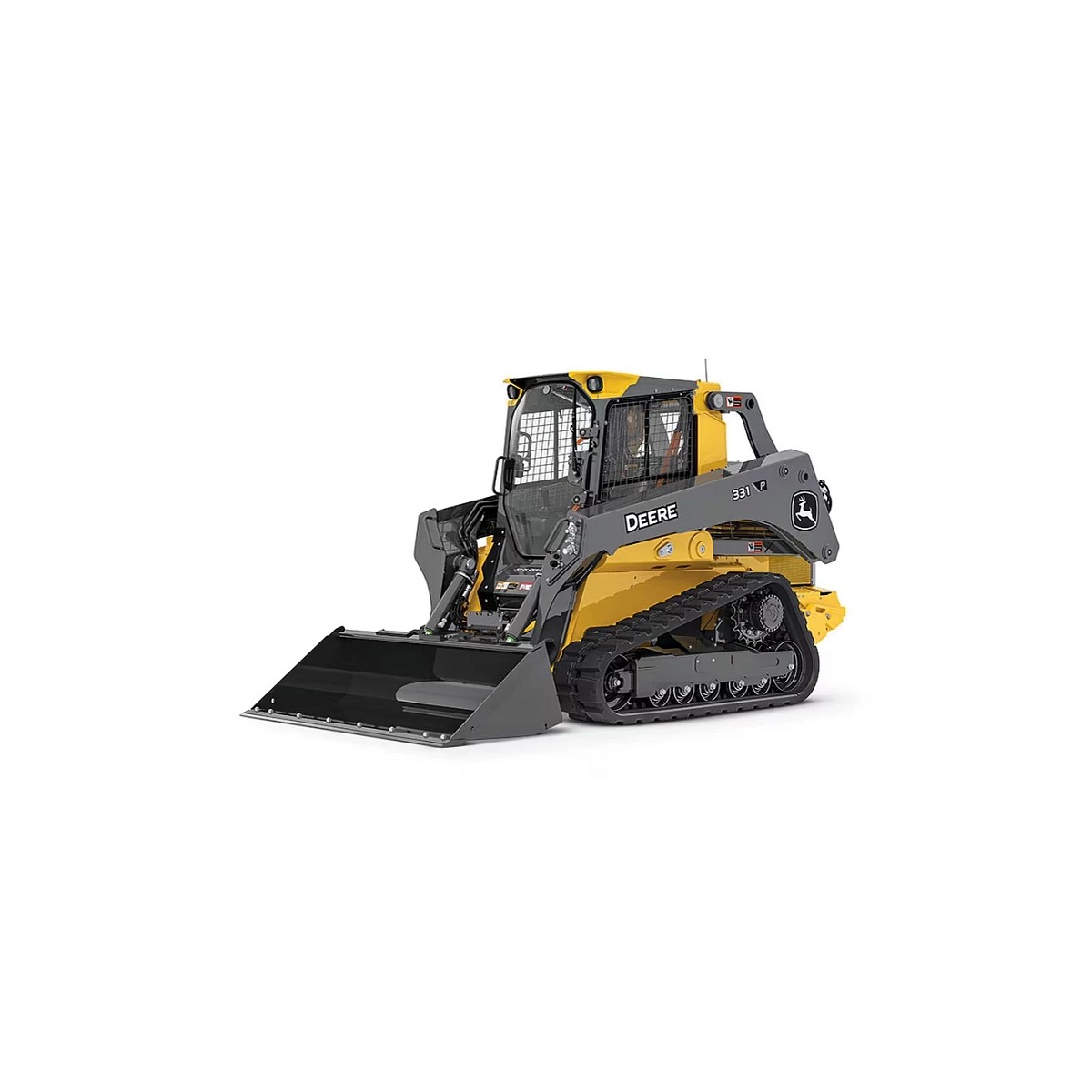
vs
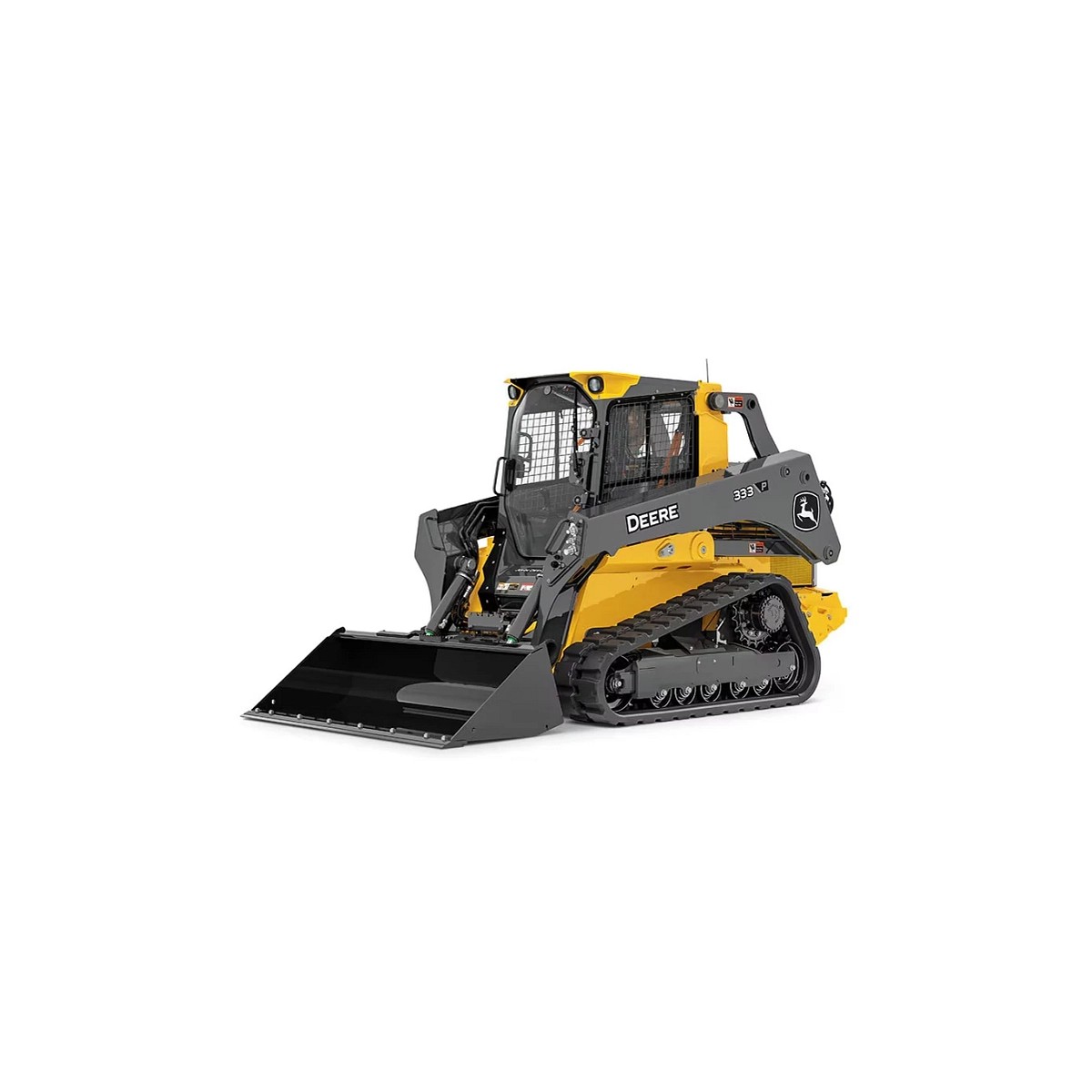
| Spec | John Deere 331 P-Tier | John Deere 333 P-Tier |
|---|---|---|
| Price | $94,809 | $114,464 |
| Rated capacity, as advertised | 3,150 lbs | 3,850 lbs |
| Rated at | 35% of tipping load | 35% of tipping load |
| Tipping load | 9,000 lbs | 11,000 lbs |
| Capacity at its class convention | 3,150 lbs | 3,850 lbs |
| Engine power | 98 hp | 108 hp |
| Engine | Yanmar 4TNV94FHT | Yanmar 4TNV94FHT |
| Auxiliary flow | 25 GPM | 25 GPM |
| Lift height | 132 in | 132 in |
| Operating weight | 11,914 lbs | 12,183 lbs |
| Lift path | Vertical Lift | Vertical Lift |
| Rubber tracks | Yes | Yes |
| High flow available | Yes | Yes |
| Enclosed cab available | Yes | Yes |
| Two-speed travel available | Yes | Yes |
| Self-levelling available | Yes | Yes |
| A/C and heat available | Yes | Yes |
| Warranty | 2 yr / 2,000 hr | 2 yr / 2,000 hr |
What owners say about each
John Deere 331 P-Tier
- The 98 hp turbo Yanmar is a 7% power bump over the 331G, and operators pushing full buckets of wet clay report it holds ground speed where the old machine had to downshift.
- The one-piece sealed and pressurized cab is dramatically quieter and cleaner than the G-Series - operators mowing and mulching in dusty conditions say the cab stays livable all day.
- The 9,000 lb tipping load and long track base make it stable craning heavy loads at the full 132-inch hinge pin height, so loading tandem dump trucks feels routine.
- EH controls with adjustable boom and drive response let each operator tune the machine, and the softest settings make it forgiving for green operators on finish grading.
- The optional 39 GPM high-flow package runs mulching heads and stump grinders respectably, covering most attachment needs short of the dedicated high-flow 333/335 machines.
- The 29.5-gallon fuel tank and efficient engine give a true full workday of runtime, which crews coming off the thirstier 331G notice on long grading days.
- The touchscreen display, Bluetooth, optional Surround View cameras, and two-year/2,000-hour standard warranty bring the ownership experience up to par with Cat's next-gen CTLs.
- The 50 lb ROC gain over the 331G is marginal, so owners upgrading purely for lift capacity will be underwhelmed by the spec sheet.
- P-Tier pricing rose meaningfully over the outgoing G-Series, and a well-optioned 331 approaches what a base 333 P-Tier costs.
- As a first-year model, early adopters are finding software bugs and sensor teething issues that require dealer flash updates.
- At nearly 12,000 lbs it needs a 20k-class trailer and heavy tow vehicle, a real jump for owners moving up from mid-frame machines.
- The Tier 4 Final aftertreatment adds DEF and regen cycles, and owners doing light-duty intermittent work see more frequent regens than they'd like.
John Deere 333 P-Tier
- The 108.5 hp turbo Yanmar out-muscles the 333G it replaced by 8%, and operators cutting pads report it carries a full six-way blade through heavy clay without losing track speed.
- The 11,000 lb tipping load and 12,183 lb operating weight make it planted at full lift height, so loading tandems and feeding hoppers at the 132-inch hinge pin feels secure.
- Factory SmartGrade with Topcon 3D turns it into a true grading machine - site-prep crews say it puts finish grade within a tenth without a dedicated grader on smaller pads.
- The 36-gallon fuel tank runs a full day even under high hydraulic load, eliminating the mid-afternoon fuel stop that interrupted 333G mulching crews.
- Attachment Manager automatically configures flow and pressure for recognized attachments, protecting expensive tools from being run at the wrong settings.
- A SmartGrade-equipped unit with high-flow pushes well into six figures, territory where small dozers and used motor graders start to make financial sense.
- The ROC gain over the 333G is modest on paper, so owners who don't need the new cab or SmartGrade see limited reason to trade a low-hour G-Series.
- At over 12,000 lbs plus attachments, transport requires CDL-class towing, which complicates logistics for small outfits used to mid-frame machines.
- First-year electronics have shown teething issues, and SmartGrade calibration problems in early builds required multiple dealer visits for some owners.
- Undercarriage wear remains the dominant operating cost, and running the machine hard on rock or demolition sites eats tracks, rollers, and idlers quickly.
- Tier 4 Final DEF and regen cycles add running cost, and the bigger engine consumes fuel noticeably faster than the mid-frame machines when working hydraulic attachments.
- The high-tech cab and grade control mean more sensors and screens that only a dealer can diagnose, a concern for owners in remote areas.