Head to head
Kubota SVL75-3 against Cat 255
The Cat 255 saves $4; the Cat 255 carries 9 lb more once both are rated the same way; the Cat 255 moves 0.8 GPM more through the auxiliary circuit.
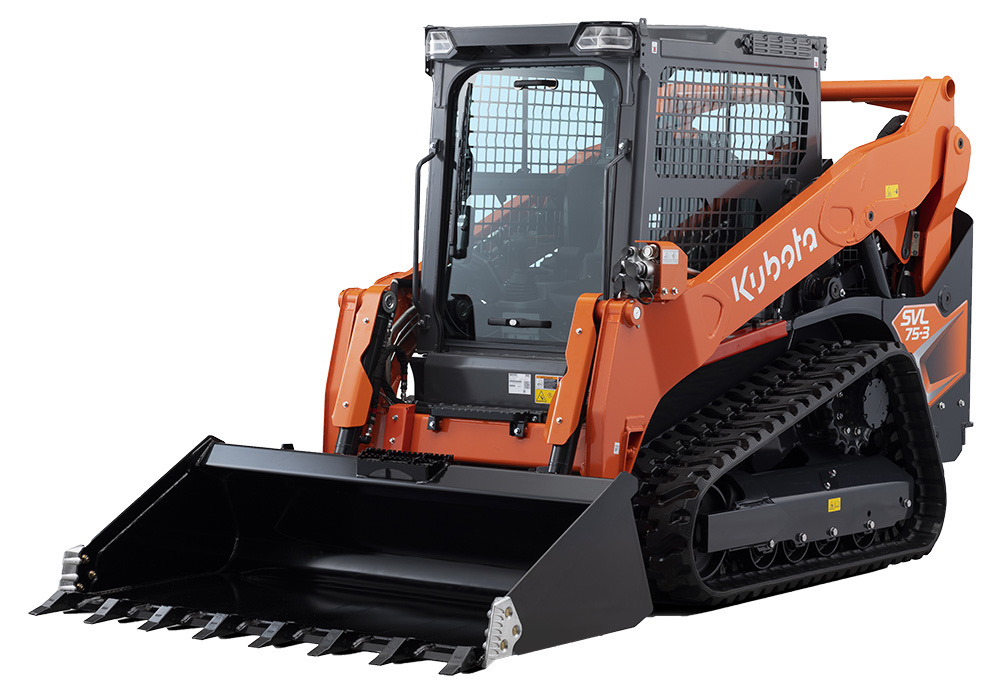
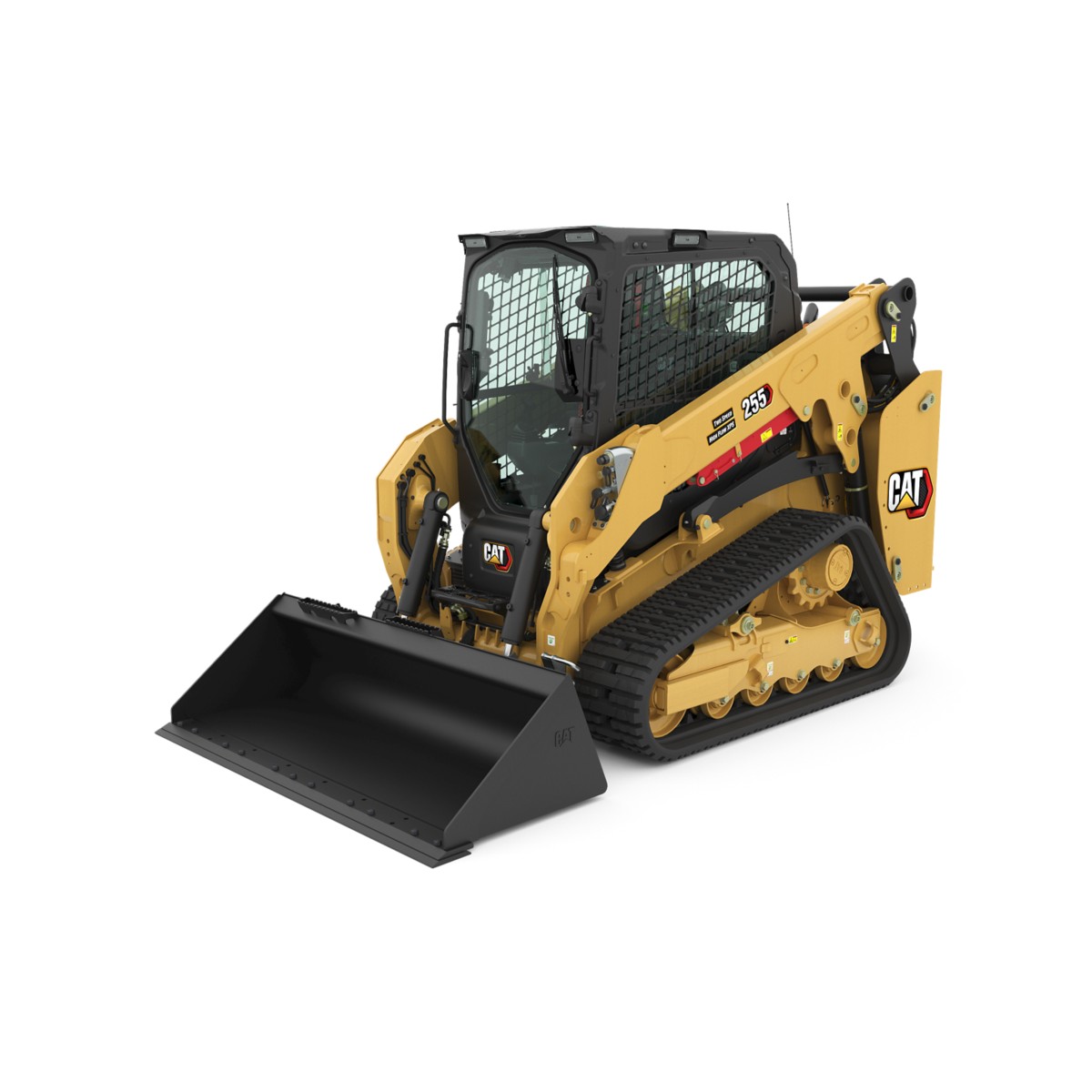
| Spec | Kubota SVL75-3 | Cat 255 |
|---|---|---|
| Price | $75,366 | $75,362 |
| Rated capacity, as advertised | 2,490 lbs | 2,499 lbs |
| Rated at | 35% of tipping load | 35% of tipping load |
| Tipping load | 7,114 lbs | 7,140 lbs |
| Capacity at its class convention | 2,490 lbs | 2,499 lbs |
| Engine power | 74 hp | 74 hp |
| Engine | Kubota V3307-TE5A | Cat C2.8T |
| Auxiliary flow | 19.2 GPM | 20 GPM |
| Lift height | 123 in | 124 in |
| Operating weight | 9,420 lbs | 9,578 lbs |
| Lift path | Vertical Lift | Vertical Lift |
| Rubber tracks | Yes | Yes |
| High flow available | Yes | Yes |
| Enclosed cab available | Yes | Yes |
| Two-speed travel available | Yes | Yes |
| Self-levelling available | Yes | Yes |
| A/C and heat available | Yes | Yes |
| Warranty | 2 yr / 2,000 hr | 2 yr / 2,000 hr |
What owners say about each
Kubota SVL75-3
- The SVL75-3 is the best-selling new CTL in America, and owners credit its blend of value, reliability, and a genuinely great cab for the popularity.
- Kubota builds its own engine, and owners rave about the reliability and the familiar Kubota dealer network they already trust from tractors.
- The tilt-up cab and wide-opening rear door give outstanding service access, and mechanics call it one of the easiest CTLs to maintain.
- Vertical lift with a 123-inch hinge-pin height makes truck-loading and pallet-stacking easy, competitive with pricier vertical-lift rivals.
- The 19.2 GPM standard flow covers everyday attachments, and the 29.8 GPM high-flow option runs mulchers and planers when the work calls for it.
- The cab is roomy, quiet, and comfortable, and operators coming from other brands consistently say it feels bigger and better finished than expected.
- Kubota pricing undercuts Bobcat and Cat for comparable capability, so value-focused buyers feel they get more machine for the money.
- Some owners report the undercarriage and track wear faster than expected if run heavily on abrasive surfaces.
- At 2,490 lb capacity it's a strong medium frame but heavy-duty operators sometimes wish for more, eyeing the larger SVL97-2.
- The DPF emissions system draws occasional complaints during heavy idling and light-duty work that trigger regen interruptions.
- A few owners note the vertical-lift linkage adds grease points and pin wear over hard commercial use.
- The attachment ecosystem is smaller than Bobcat's, so sourcing used implements locally can be harder in some markets.
- Some operators find the control response less crisp than Cat or Bobcat, requiring a bit of acclimation for fine work.
- Because it's so popular, dealer inventory and wait times for new units can be long during high-demand periods.
Cat 255
- The 24% jump in rated operating capacity over the 259D3 (2,499 vs 2,000 lbs) is immediately noticeable when handling pallets of sod or block, and owners say it finally matches what competitors offered in this frame size.
- Every standard-flow machine ships from the factory 'High Flow ready', so you can unlock 30 GPM later with a dealer enablement instead of regretting a spec decision at purchase time.
- Tilt breakout force is up 36% and lift breakout 26% versus the 259D3, and operators digging in clay or prying out stumps say the machine feels like a size class bigger than it is.
- The 124-inch bucket pin height is class-leading, and vertical lift with dual-direction self-leveling makes loading dump trucks and stacking pallets genuinely easier than the outgoing radial competitors.
- The optional 8-inch touchscreen with standard rearview camera integration and Bluetooth is a big usability upgrade, and Product Link telematics come standard for tracking hours and location remotely.
- The C2.8T stays under the 75 hp emissions threshold, so there's no DEF tank to fill - a running cost and complexity advantage owners specifically call out over 100+ hp machines.
- Pricing jumped roughly 15% over the outgoing 259D3, and owners on equipment forums grumble that a well-optioned 255 now quotes well past $90k before attachments.
- Standard auxiliary flow dropped to 20 GPM (the 259D3 had 23 GPM), so buyers running hungrier attachments are pushed into the High Flow enablement or XPS package to compensate.
- At 9,578 lbs it's nearly 600 lbs heavier than the 259D3, which pushes some existing trailer setups over their rated capacity once you add a bucket and a second attachment.
- Early-production machines had their share of software and touchscreen gremlins, and some owners report waiting on dealer flash updates to resolve monitor freezes and sensor faults.
- The new electronics-heavy design worries buyers who keep machines 10+ years - there's simply more that can only be diagnosed and fixed at a Cat dealer.
- There's no radial-lift option in the next-gen mid frame anymore, and operators who preferred the radial path's mid-lift reach for grading feel the lineup lost something.
- Cat dealer parts and service pricing runs at a premium, and the sealed one-piece cab, while excellent, makes some repairs like glass replacement pricier than the old two-piece design.