Head to head
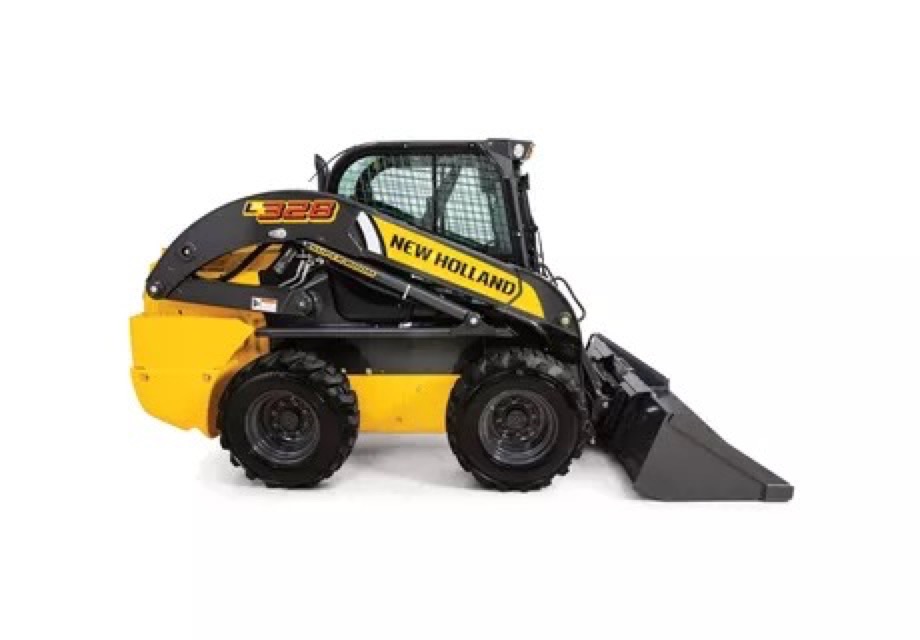
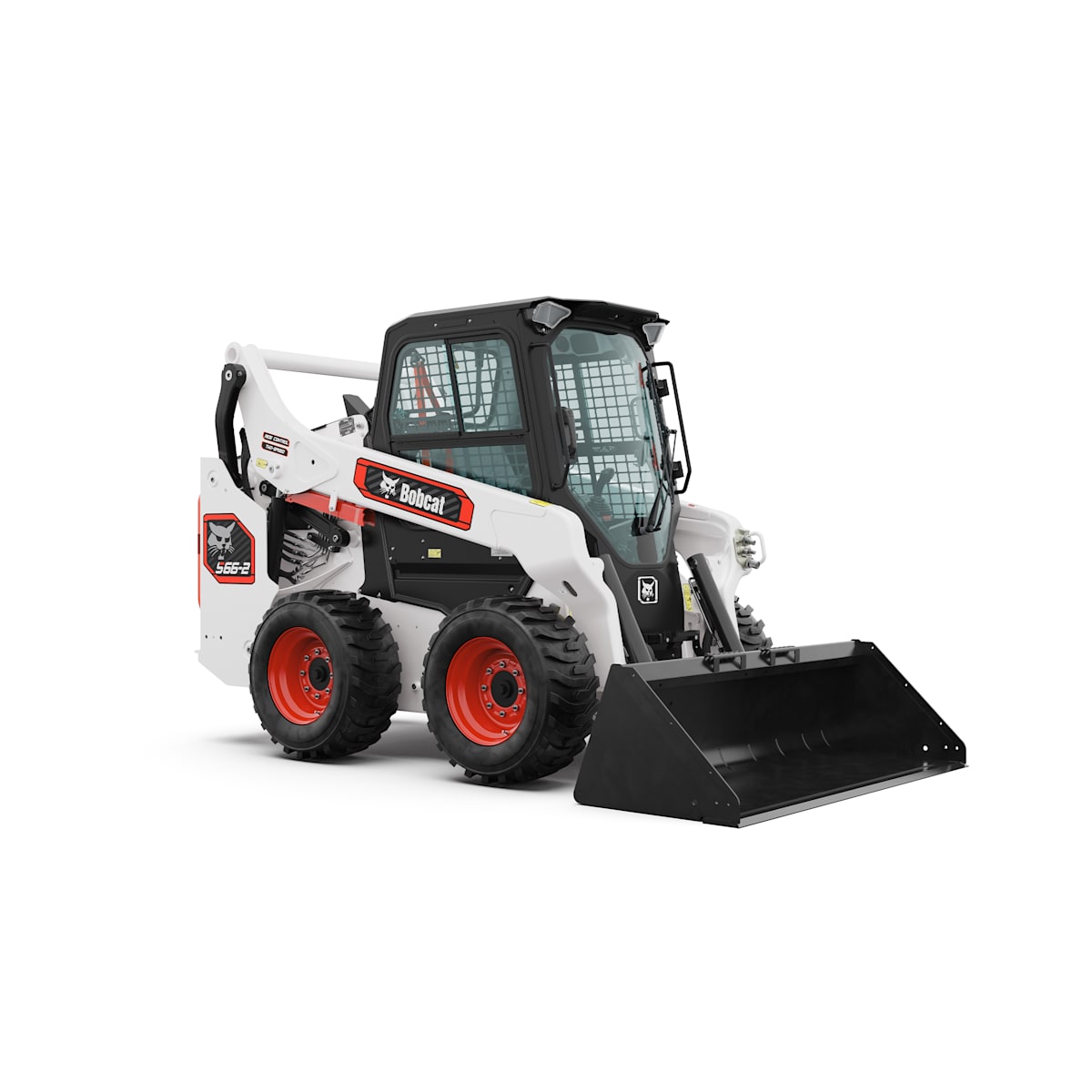
New Holland L328 against Bobcat S66-2
The New Holland L328 saves $49; the New Holland L328 carries 400 lb more once both are rated the same way; the New Holland L328 moves 6.4 GPM more through the auxiliary circuit.
| Spec | New Holland L328 | Bobcat S66-2 |
|---|---|---|
| Price | $66,000 | $66,049 |
| Rated capacity, as advertised | 2,800 lbs | 2,400 lbs |
| Rated at | 50% of tipping load | 50% of tipping load |
| Tipping load | 5,600 lbs | 4,800 lbs |
| Capacity at its class convention | 2,800 lbs | 2,400 lbs |
| Engine power | 74 hp | 74 hp |
| Engine | FPT | Bobcat (Doosan) D24 |
| Auxiliary flow | 24 GPM | 17.6 GPM |
| Lift height | 129 in | 120 in |
| Operating weight | 7,895 lbs | 7,046 lbs |
| Lift path | Vertical Lift | Vertical Lift |
| Rubber tracks | No | No |
| High flow available | Yes | Yes |
| Enclosed cab available | Yes | Yes |
| Two-speed travel available | Yes | Yes |
| Self-levelling available | Yes | Yes |
| A/C and heat available | Yes | Yes |
| Warranty | 2 yr / 2,000 hr | 2 yr / 2,000 hr |
What owners say about each
New Holland L328
- The 129-inch hinge-pin height is exceptional for a medium frame, so stacking pallets and loading tall hoppers is genuinely easy.
- The L328 undercuts Bobcat and Cat on price, so value-focused buyers feel they get premium lift geometry for less money.
- The cab is roomy with good visibility, and owners appreciate the comfortable layout and low-effort controls over long days.
- The 24 GPM standard flow is generous, and the high-flow option opens up demanding attachments for added versatility.
- Two-speed travel comes standard, making ground-to-ground moves quick on larger sites.
- Resale value trails the big three brands, so the lower purchase price is partly offset by a steeper depreciation hit.
- Some owners report electrical and sensor issues on FPT-engined machines that can be frustrating to diagnose.
- The Super Boom linkage adds pivot points and grease zerks, which owners note require diligent maintenance to avoid wear.
- The attachment and used-implement ecosystem isn't as deep as Bobcat's, limiting options in some markets.
- Because dealers are sparse, warranty and service experience varies widely by location.
- The vertical-lift geometry that helps loading compromises some low-end digging force versus a radial-lift machine.
Bobcat S66-2
- The new 8-inch glove-friendly touchscreen with up to 20 operator profiles and split-screen camera views finally brings Bobcat's mid-frame cab tech up to par with Cat's next-gen loaders, and early operators call it the biggest single upgrade over the R-Series.
- Four selectable drive modes (Balanced, Agile, Dynamic and Charged) with precision drive software let operators tune responsiveness per task, so finish graders and pallet movers can each get the feel they want from the same machine.
- The completely redesigned electrical system addresses the R-Series' most common warranty complaints - harness chafe and sensor gremlins - which is exactly the kind of unglamorous fix long-time Bobcat owners asked for.
- It keeps the proven 74 hp D24 turbo-diesel with no DEF required, so there's no new emissions hardware to learn and parts commonality with the huge R-Series fleet keeps maintenance familiar.
- The vertical lift path and 120-inch hinge pin height make truck loading and pallet stacking easy for a machine this size, carrying over the trait that made the S66 a landscaper favorite.
- Optional Bobcat Sense adds radar rear-object detection that can slow or stop the loader, plus camera-based 360 detection that alerts the operator without intervening — useful for crews working around people on the ground. Both are options, and North America only.
- The refreshed interior adds a heated high-back air-ride seat option, phone holder, extra storage, and USB plus USB-C charging - small touches that owners of all-day machines notice immediately.
- As a first-model-year machine that only reached dealerships in summer 2026, early adopters are effectively beta-testing the new electrical architecture and touchscreen software.
- Pricing crept up over the outgoing S66, and a well-optioned unit with high-flow, Sense detection, and the premium seat lands several thousand dollars above an equivalent R-Series leftover.
- The engine is unchanged at 74 hp and 17.6 GPM standard flow, so buyers hoping the new generation would bring more power or hydraulic capability will be disappointed.
- The added cameras, radar sensors, and touchscreen mean more electronics to fail and more diagnostics that require a dealer laptop, eroding the simple-to-wrench reputation Bobcats built their name on.
- The standard 17.6 GPM flow is low for the class, so running planers or mulching heads still forces the extra-cost 26.9 GPM high-flow option.
- Some operators find the drive-mode and profile menus add complexity for mixed crews - a rental yard or multi-operator fleet has to manage settings that old machines simply didn't have.