Kubota
Kubota SVL97-2
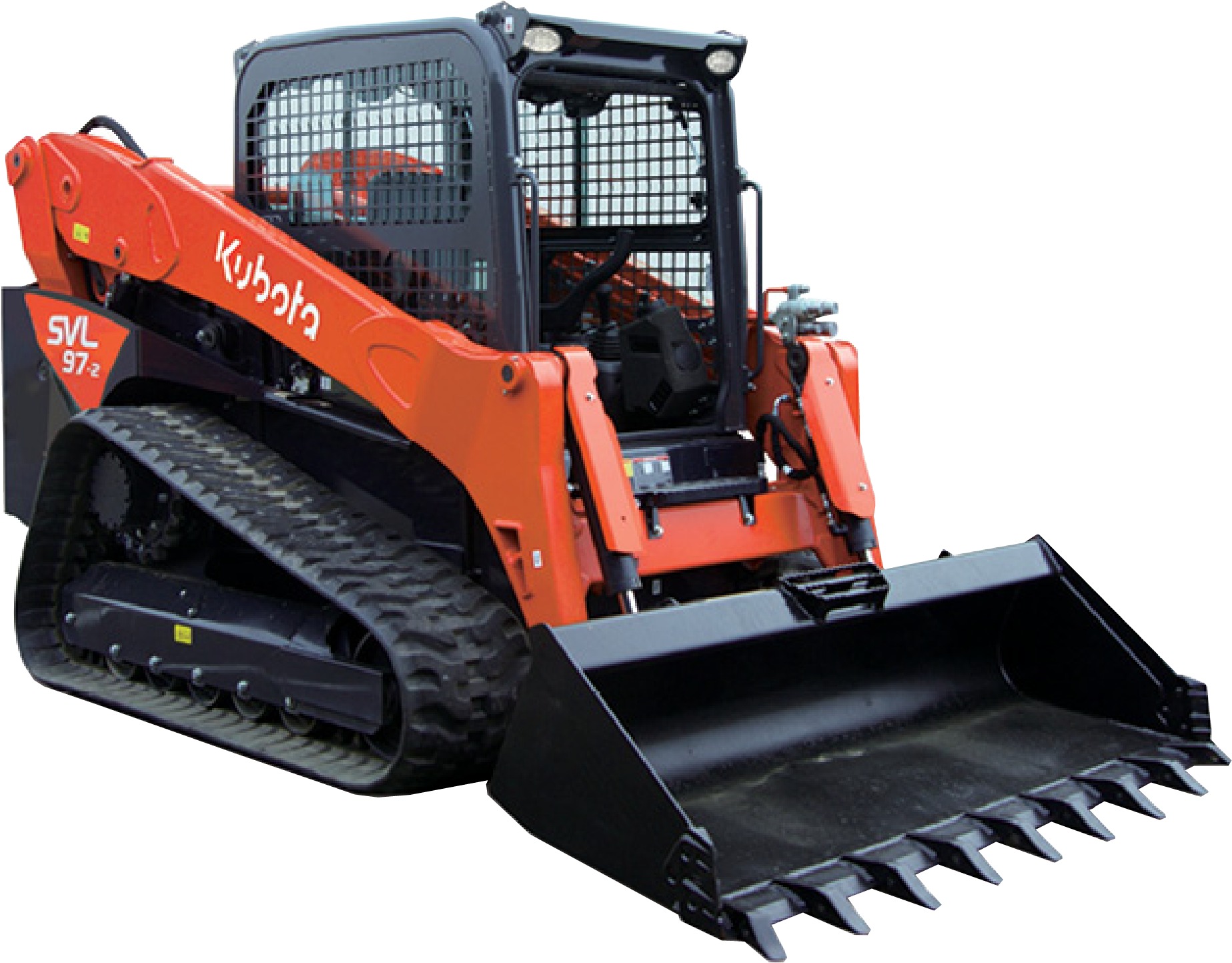
The bright segment is what Kubota SVL97-2 is rated to carry; the grey run past it is the rest of its tipping load. Bar length is tipping load drawn to the same scale on every machine on the site, so a short bar is a smaller machine and not a conservative rating.
Nothing in Kubota's lineup is bigger than the SVL97-2, which runs a 96 hp version of the company's own V3800 diesel. It delivers flagship-class capacity and an available 40 GPM high-flow package at a price that undercuts the Cat 299D3 and Bobcat T86 by a wide margin.
Suits: Flagship CTL muscle at a value price Its vertical lift path reaches highest at full extension, for loading high-sided trucks and stacking.
Lifting and reach
- Rated operating capacityTrack loader rating convention
- 3,200 lbs
- Tipping load
- 9,140 lbs
- Lift height to hinge pin
- 128 in
- Lift path
- Vertical Lift
- Operating weight
- 11,299 lbs
Power and hydraulics
- Engine power
- 96 hp
- Engine
- Kubota V3800-CR
- Auxiliary flowStandard circuit
- 23.1 GPM
- Flow type
- Standard
- Warranty
- 2 yr / 2,000 hr
Fitted or available
What this machine can be ordered with. Some of these are standard and some cost extra, and which is which moves between trim levels, so check them against the quote rather than against this list.
What owners report
Summarised from the sources listed below. Nothing here was tested by us.
Kubota's large-frame value play, and owners talk about it almost entirely in those terms - a machine that lifts 3,200 lb and carries a 40 GPM high-flow option for money that buys a noticeably smaller Cat or Deere. The engine is Kubota's own V3800, the hydraulics went to a closed-centre load-sensing design that responds properly when the bucket and an attachment are both working, and the vertical-lift geometry to a 128-inch hinge pin means loading a tandem is routine rather than careful.
Where it gives ground is the operator station and the aftertreatment. The cab is a design that predates this model by two generations and owners list the same irritations every time: vents on one side, a badly placed radio, halogen lighting, rattling door pins, and a belt-driven fan that makes it one of the louder machines in the class. The roll-up door itself is loved, but its rails pack with debris and need grease, and the coupler manifold behind the arms sits exposed enough that forestry crews damage it. The emissions system is the expensive part - regens arrive frequently on a machine that idles, the DEF pump is a repeat-failure item with long backorders, and a soot-loaded filter canister is five figures, not a filter change. Early units also had injector and piston failures traced to fuel contamination, which is an argument for extra filtration rather than a reason to walk away.
Take it when the price gap against a Cat 299D3 or Deere 333 is what makes the job pencil and you can live with a dated cab, and buy it used rather than new now that the SVL97-3 exists and addresses the cab sealing, noise and radiator access directly. Before signing, ask how the machine was used: a unit that spent its life idling on a landscape trailer has a different DPF history than one that worked at rated rpm. Check the coupler manifold and door rails for damage, pull the service history for DEF pump replacements, and get the high-flow question settled up front because it is the option that justifies the machine.
What owners like
- The value argument is the whole reason this machine sells: a comparably equipped SVL97-2 lands roughly $20,000 under a Cat 299D3 or a Deere 333 of the same size, and owners consistently say it does the same work for that money.
- The optional high-flow package runs 40 GPM against the Cat 299D3's 32 GPM ceiling, and it carries five preset pressure settings so a mulching head and a cold planer can each have their own stored flow.
- The closed-centre load-sensing hydraulic system replaced the older open-centre setup and is the reason the controls feel responsive under load rather than mushy when two circuits are working at once.
- The 96.4 hp V3800 is Kubota's own engine rather than a bought-in one, and owners running these in dirt and mulch report it pulls hard without needing to be nursed.
- Five triple-flange rollers per side and 4.4 psi of ground pressure is competitive for an 11,000 lb machine, and operators report the undercarriage resists detracking on side slopes.
- The roll-up front door lets an operator get in and out with the loader arms at any height, which is a real daily convenience and a genuine safety feature when the bucket is stuck loaded.
What owners complain about
- The cab is the standing complaint and has barely changed since the SVL90/95 era: awkward radio placement, HVAC vents on one side only, a washer bottle that spills inside the cab, and halogen rather than LED work lights.
- It is a loud machine. The engine fan is belt-driven rather than hydraulically driven the way competitors' are, and the door safety pins rattle, so hearing protection is not optional.
- The roll-up door's rail system packs with dirt and debris and wants frequent lubrication, and forestry and demolition owners report damaged hydraulic coupler manifolds because that area is left exposed - the Deere 333-series shields it better.
- The DPF is the real ownership risk on this engine family. Owners report regens as often as every eight hours of runtime, sooner if the machine idles, and a filter that soots up past recovery is a dealer-replaced canister in the neighbourhood of $10,000.
- The DEF pump on this emissions family is the documented weak link, with owners reporting repeat failures and four-to-six-week backorder waits, and a tank that gets diesel in it by mistake means replacing the system rather than flushing it.
- Early SVL97-2 units saw injector and piston failures blamed on fuel particulate - one owner documented a turbo and number-four piston failure at around 800 hours - so fuel filtration discipline matters more on this machine than on most.
- Kubota now sells the SVL97-3 alongside it, which fixes the cab sealing, noise and radiator access this machine is criticised for, so paying near-new money for a -2 in 2026 buys the known complaints on purpose.
Drawn from fortishd.com, aglist.ca, reimertuning.com.
What buyers ask
How much cheaper is an SVL97-2 than an equivalent Cat or Deere?
Is the DPF and DEF system on this machine a real problem?
What is the difference between the SVL97-2 and the SVL97-3?
How much auxiliary flow does it actually have?
What should I inspect on a used one?
What does a used SVL97-2 sell for?
Put the Kubota SVL97-2 against
Machines in the same range
The rest of the Kubota line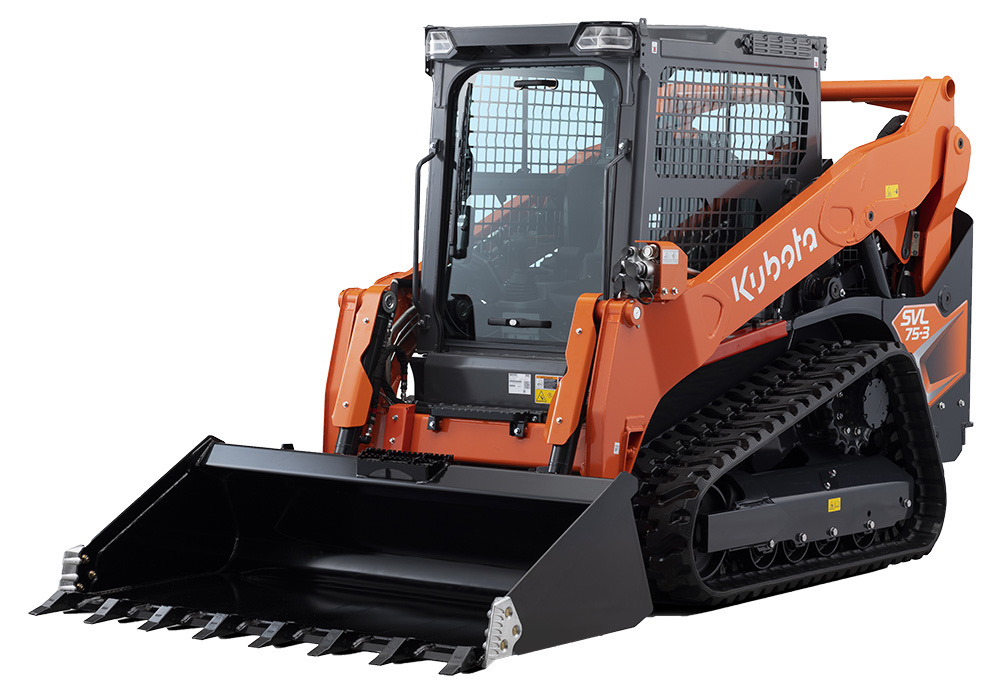
Kubota
Kubota SVL75-3
$75,366
- Engine
- 74 hp
- Aux flow
- 19.2 GPM
- Weight
- 9,420 lbs
No new CTL sells better in the US than the Kubota SVL75-3, a medium-frame vertical-lift compact track loader. Powered by Kubota's own diesel, it's praised for its roomy cab, easy service access, and strong value.
Full sheet & owner reports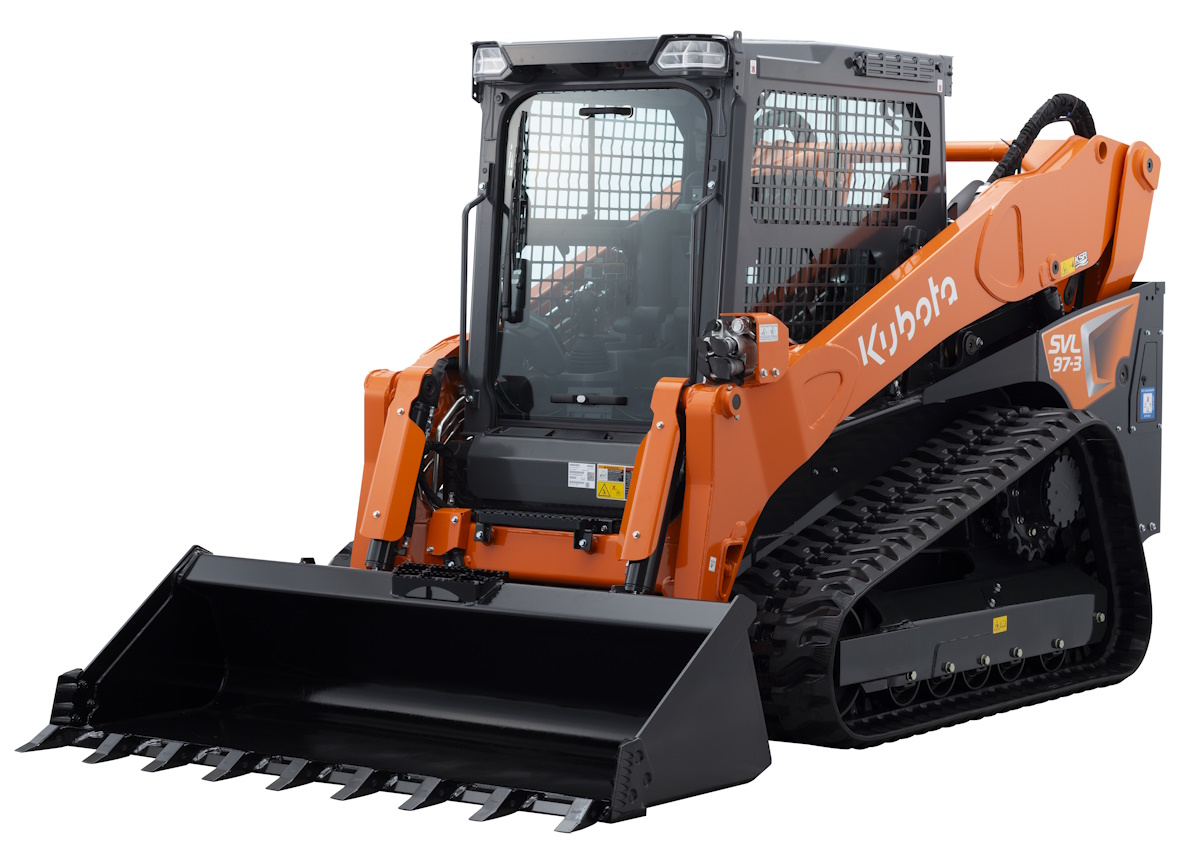
Kubota
Kubota SVL97-3
$92,274
- Engine
- 96.4 hp
- Aux flow
- 23.8 GPM
- Weight
- 11,929 lbs
Kubota's 96 hp track loader, replacing the SVL97-2 with a one-piece sealed cab, a 7-inch touchscreen and standard KubotaNOW telematics. It is built for contractors moving heavy material who want 3,459 lb of rated capacity and a 41.2 GPM high-flow circuit for mulchers and cold planers.
Full sheet & owner reports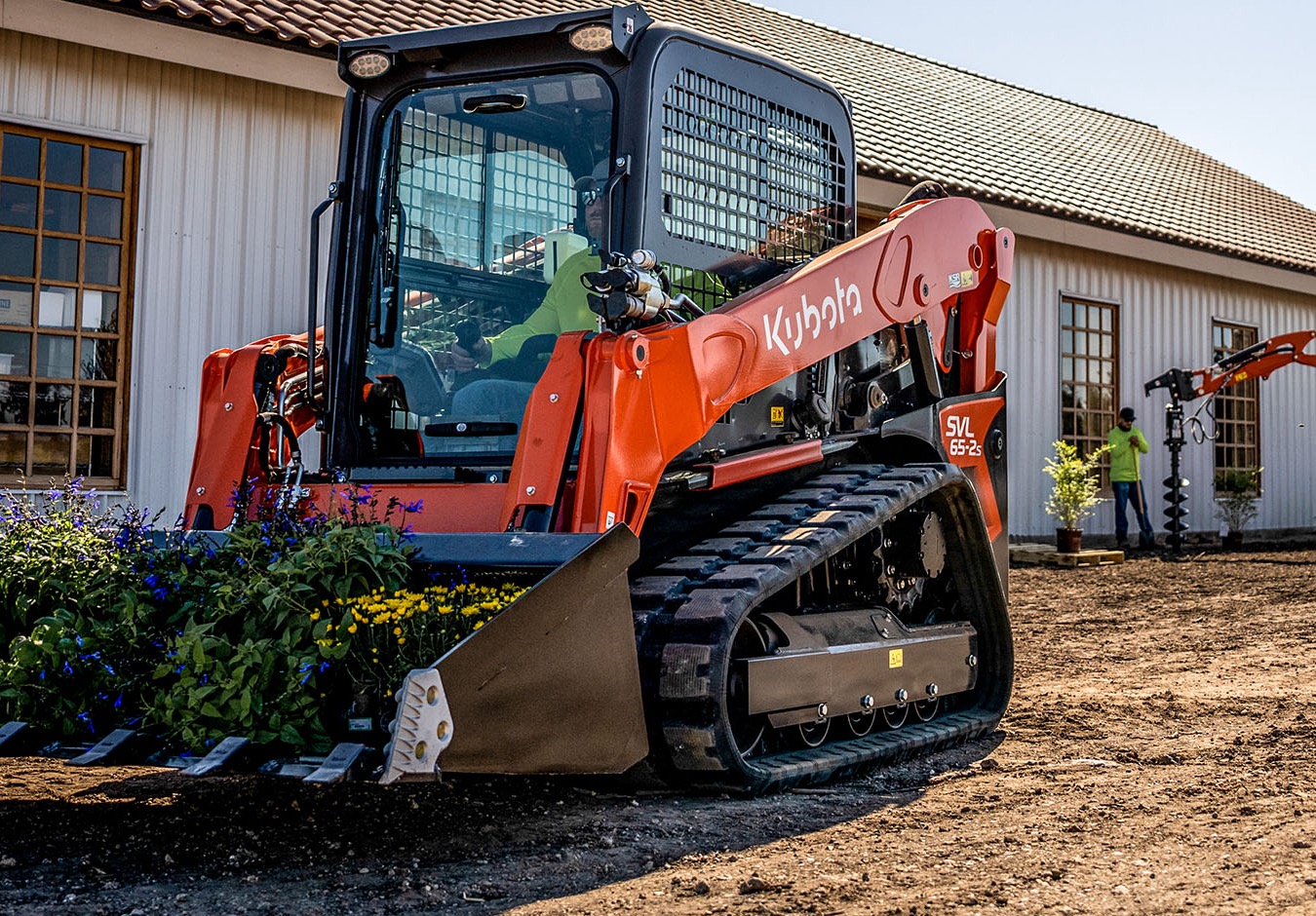
Kubota
Kubota SVL65-2s
$69,515
- Engine
- 68.4 hp
- Aux flow
- 17.4 GPM
- Weight
- 8,631 lbs
Successor to the SVL65-2, keeping the same 68.4 hp engine, 2,100 lb rated capacity and vertical lift path while taking operator-comfort and performance features from Kubota's larger next-generation loaders. Aimed at landscapers who want the small SVL's trailerable weight with an updated operator station.
Full sheet & owner reports