JCB
JCB 300T
The bright segment is what JCB 300T is rated to carry; the grey run past it is the rest of its tipping load. Bar length is tipping load drawn to the same scale on every machine on the site, so a short bar is a smaller machine and not a conservative rating.
JCB publishes no list price for this machine, and we found no dealer listing worth quoting, so there is no number here to give you. What we can say is what the machines around it cost: the middle half of the 19 track loaders within 15 per cent of its capacity list between $76,000 and $94,809. That is a fact about them, not a quote for this one.
JCB slots the 300T between the 270T and the 109 hp 400T, pairing the single-arm PowerBoom and side-entry door with a 3,000 lb rated capacity on a large-platform frame. It is the biggest 74 hp track loader JCB builds, aimed at crews who want large-platform lift and a 125-inch hinge pin without stepping up to the 400T's price.
Suits: Crews who want large-platform JCB lift and side-door entry without stepping up to the 109 hp 400T Its vertical lift path reaches highest at full extension, for loading high-sided trucks and stacking.
Lifting and reach
- Rated operating capacityTrack loader rating convention
- 3,000 lbs
- Tipping load
- 8,627 lbs
- Lift height to hinge pin
- 125 in
- Lift path
- Vertical Lift
- Operating weight
- 11,219 lbs
Power and hydraulics
- Engine power
- 74 hp
- Engine
- JCB EcoMAX TCAE-55
- Auxiliary flowStandard circuit
- 24 GPM
- Flow type
- Standard
- Warranty
- 2 yr / 2,000 hr
Fitted or available
What this machine can be ordered with. Some of these are standard and some cost extra, and which is which moves between trim levels, so check them against the quote rather than against this list.
What owners report
Summarised from the sources listed below. Nothing here was tested by us.
Slotting between the 270T and the 109 hp 400T is the job here, and it is a more useful position than it sounds: the 400T's step up in capability comes with a 12,544 lb transport weight and a price to match, while this keeps the 74 hp driveline and adds capacity through frame and geometry. Owners buying it are usually solving a trailer problem as much as a lifting one.
The rating basis is worth understanding before anything else. Three thousand pounds here is 35 percent of an 8,627 lb tipping load, where the wheeled 300's larger-sounding 3,186 lbs is 50 percent of a 6,369 lb one. Both are normal conventions for their machine types, but inside the same brand the tracked machine is the more conservatively rated - which is the opposite of what the headline numbers suggest. Elsewhere it is standard JCB: a 24 gpm auxiliary circuit with a high-flow option to around 33 gpm, an EcoMAX with no particulate filter and no exhaust fluid, and the single-arm boom with a side door that means the operator never climbs over an attachment.
The awkward part of buying one is that JCB does not publish a starting price for it when it does for the 215T, 250T, 270T and 400T, so there is nothing to negotiate against. Work out the tracks premium from the models that are published - $50,490 for the wheeled 270 against $75,490 for the tracked 270T - and ask whether your ground genuinely needs tracks. Before signing, confirm high flow is on the order, weigh the machine plus trailer against your tow vehicle's rating, and find out where the nearest JCB compact dealer parts counter actually is.
What owners like
- Rated at 3,000 lbs against an 8,627 lb tipping load, it carries the most conservative capacity basis in JCB's range - 35 percent - so the number understates it relative to the wheeled 300's bigger-looking 3,186 lbs, which is measured at 50 percent of a much smaller tipping load. Buyers cross-shopping the two inside the same brand usually read this backwards.
- It fills the gap between the 74 hp 270T and the 109 hp 400T, adding capacity without the 400T's 12,544 lb transport weight or its price step. For a contractor whose trailer is already at its limit, that is the whole reason the model exists.
- The 74 hp EcoMAX runs with no diesel particulate filter and no exhaust fluid, so there is no regeneration cycle to sit out and no fluid to buy - worth more on a track loader doing short-cycle grading work than on a machine that runs at load all day.
- A 24 gpm standard auxiliary circuit with a high-flow package to around 33 gpm covers augers, planers and snow blowers without stepping up to the 400T frame, which is where most buyers assume they need to go for attachment capability.
- The single-arm PowerBoom and side door carry the layout that distinguishes every JCB in this catalog: the operator steps in past one arm rather than over a raised attachment, which is the layout's whole argument for itself.
What owners complain about
- JCB publishes starting prices for the 215T, 250T, 270T and 400T but not for this one, so there is no anchor to negotiate from. Any figure quoted for a 300T is positioned against its siblings rather than published, which is a poor position for a buyer.
- At 11,219 lbs before a bucket or attachment, it is past what most three-quarter-ton pickups should tow once a trailer is added - a discovery that tends to happen after the purchase rather than during it.
- Seventy-four horsepower is the same rating JCB fits to the far smaller 215T, so the extra capacity here is frame and geometry rather than power. For high-flow mulching work the engine, not the hydraulics, becomes the limit.
- High flow is an option, not standard, so the attachment-heavy buyers this size of machine attracts end up paying above whatever the base number turns out to be.
- One door, on the left, and no front exit over the attachment as a twin-arm machine has. An obstruction parked tight on that side locks the operator out, and it is worth thinking about before working in confined demolition or between buildings.
- Tracks carry a heavy premium on this platform - JCB's own published prices put the wheeled 270 at $50,490 and the tracked 270T at $75,490 on identical engine and rated capacity. Expect a comparable gap between the 300 and this machine, and make sure the ground you work on actually needs it.
Drawn from jcb.com, compactequip.com, constructionequipment.com.
What buyers ask
What does a JCB 300T cost?
Is the 300T bigger than the wheeled 300 despite the smaller capacity number?
Can I tow it with a three-quarter-ton pickup?
Do I need the high-flow package?
How does it compare with the 400T?
Is 74 hp enough for a machine this size?
Put the JCB 300T against
Machines in the same range
The rest of the JCB line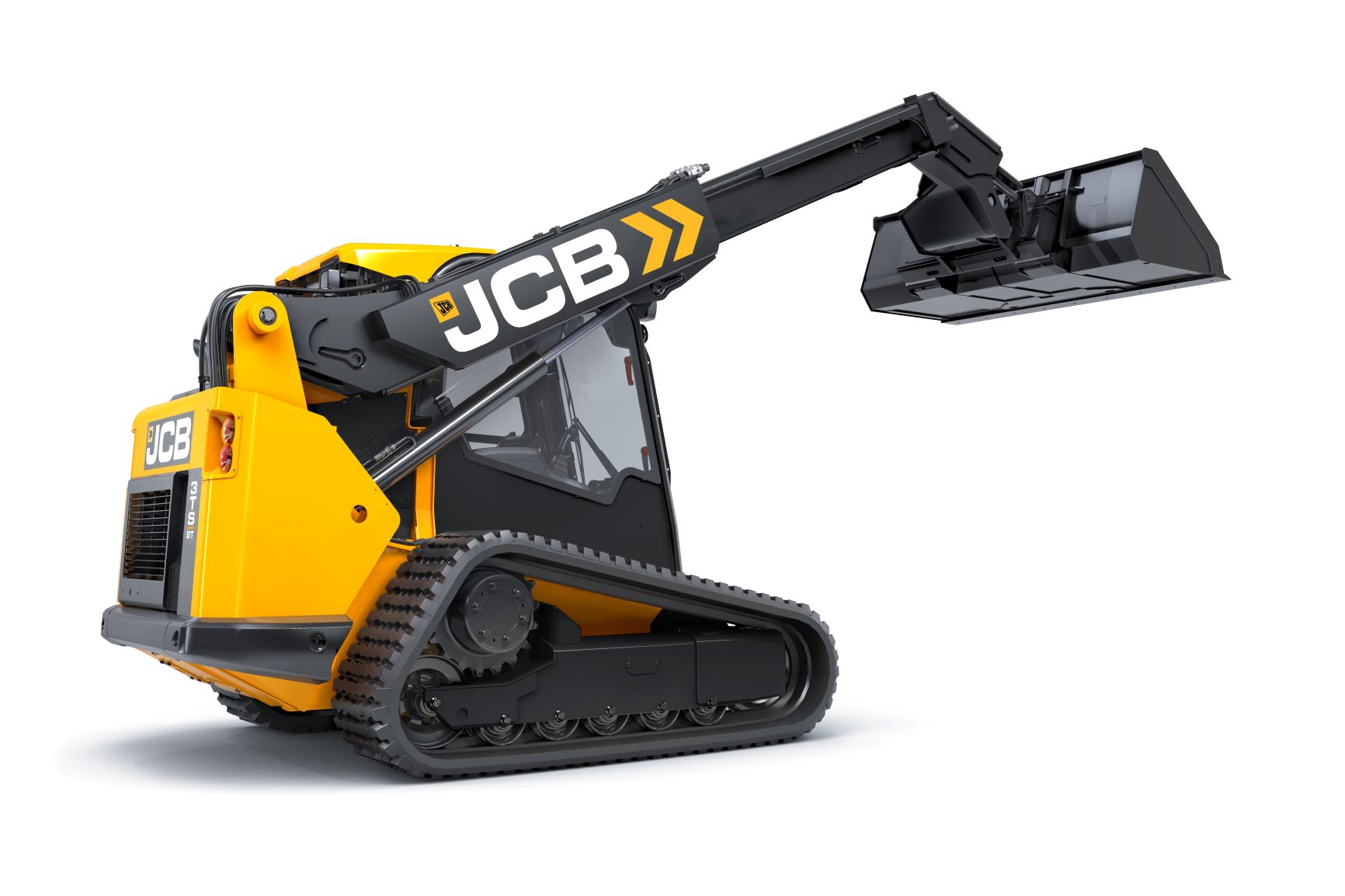
$92,000
- Engine
- 74 hp
- Aux flow
- 24 GPM
- Weight
- 12,615 lbs
Only one compact track loader in the world carries a telescopic boom, and the JCB 3TS-8T Teleskid is it, reaching 13 feet 3 inches up, 8 feet forward, and even 3 feet below grade. Its single-arm PowerBoom design also allows a side-entry cab door, so operators never climb over an attachment to get in.
Full sheet & owner reports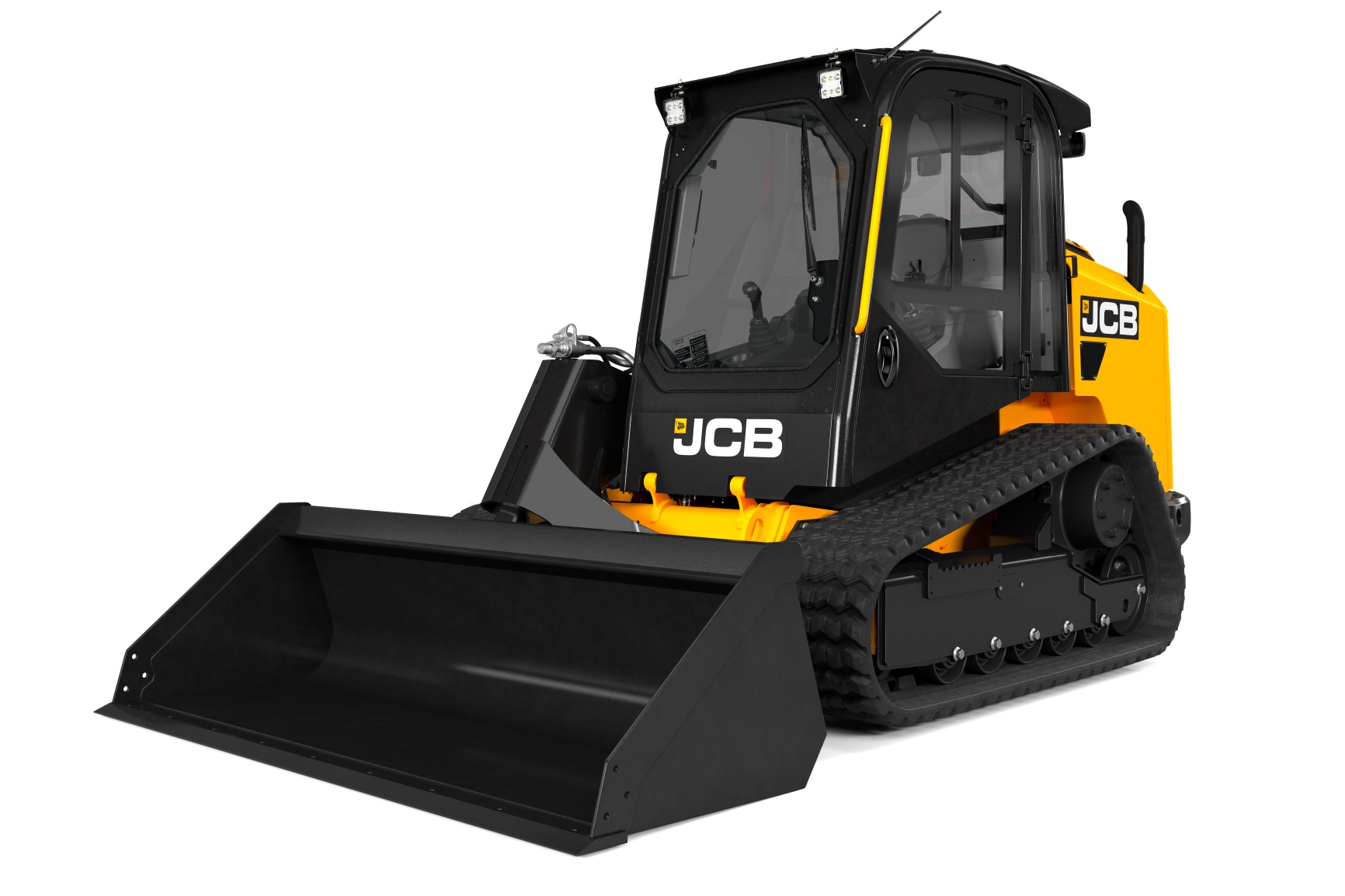
JCB
JCB 215T
$50,590
- Engine
- 74 hp
- Aux flow
- 18.5 GPM
- Weight
- 9,098 lbs
Operators never climb over the attachment to get into the JCB 215T - the single-arm PowerBoom and side-entry door see to that on this small-platform vertical-lift compact track loader. A 74 hp Kohler diesel with no DPF keeps emissions hardware simple on the 2,105 lb capacity machine.
Full sheet & owner reports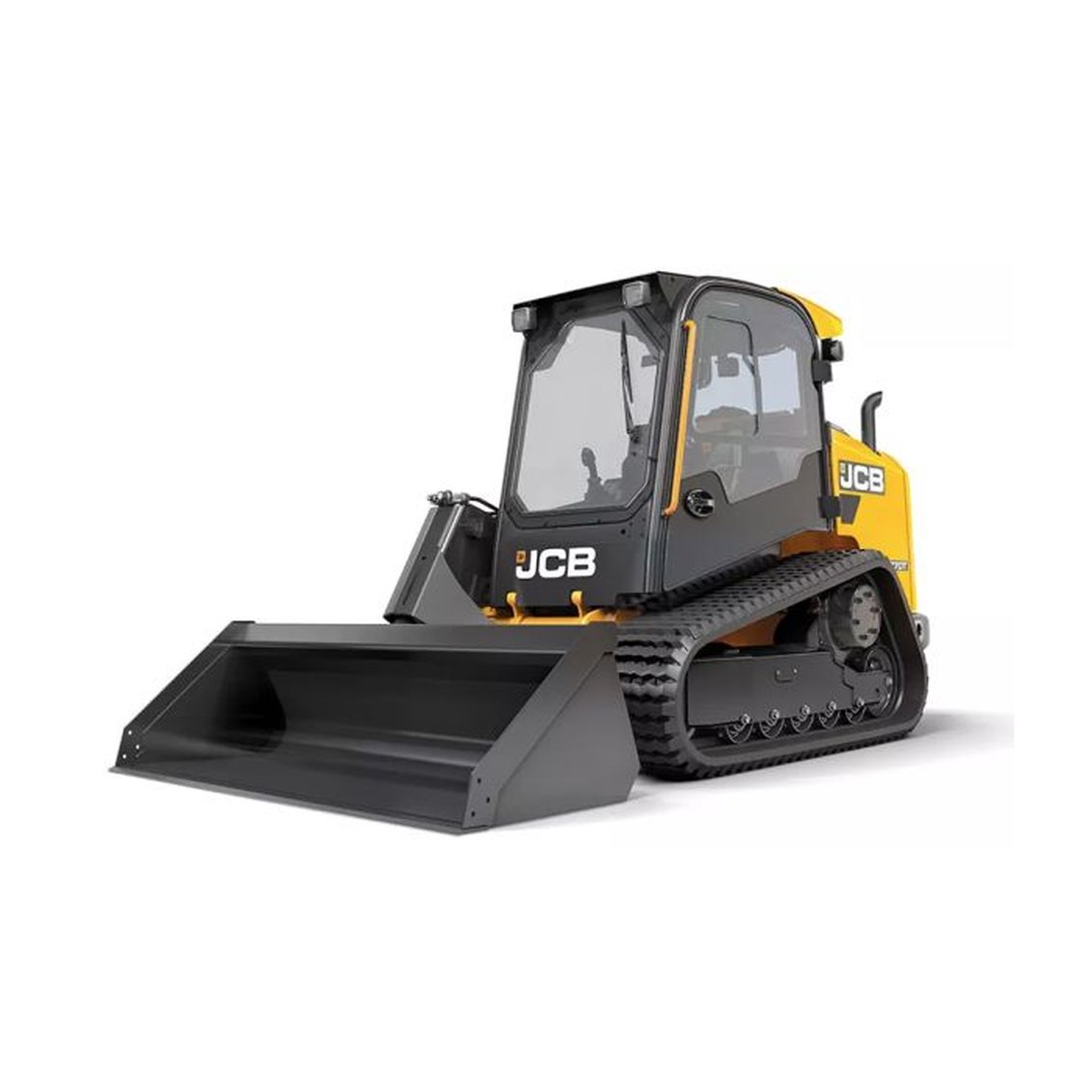
JCB
JCB 270T
$75,490
- Engine
- 74 hp
- Aux flow
- 24 GPM
- Weight
- 11,003 lbs
Visibility and entry safety no twin-arm machine can offer are the JCB 270T's argument, from the brand's signature single-arm PowerBoom and side-entry door. A torquey 4.4L JCB EcoMAX rated at 74 hp drives this large-platform vertical-lift compact track loader and its 2,723 lb rated capacity.
Full sheet & owner reports